
Congress’s inaction to pass an updated Farm Bill is harming the Potomac River
/Speak up and tell leaders to pass federal conservation funding now

View of the potomac river in autumn
Oftentimes, we think of public lands as places that can be conserved, but did you know residents have an option to protect their family-owned lands? Conservation easements are a powerful legal tool that families can use to protect their private forests, farms, streams, and natural areas.
The Potomac River is only as healthy as its surrounding lands. That’s why our team at Potomac Conservancy is dedicated to preserving streamside forests in the Potomac’s headwaters region. As a nationally accredited land trust, every acre of land we can protect from urban sprawl helps us prevent environmental destruction and moves us closer to a healthier, more resilient Potomac River.

The Federal Farm Bill is essential to advancing conservation in our region because it provides critical funds and resources that unlock easement opportunities for farmers and everyday people. In fact, it’s the single largest source of private conservation funding.
However, legislators have failed to make progress to renew the Farm Bill this year. The law is held up in endless delays, and worse still, there aren’t meaningful moves to incorporate river-friendly provisions. Our representatives in Congress must step up and put our communities and health before partisan politics.
We're facing a critical moment in the clean water movement, and we need your help. A healthy and resilient Potomac River hinges on this crucial federal funding for local land conservation programs.
Here’s where you can help: Sign our petition and tell YOUR representatives that they must pass the Federal Farm Bill with strong conservation funding
We’re advocating for 3 provisions:
PROTECT: Chesapeake Bay States’ Partnership Initiative (C-SPI) – Codifies the current USDA initiative that directed $22.5 million for conservation in the Bay watershed in 2022
RESTORE: Conservation Reserve Enhancement Program (CREP) Participation – This is the primary federal program for restoring streamside trees, also known as riparian buffers, and this provision would expand payments and participation nationwide
ENRICH: Chesapeake Bay Watershed Workforce Development – Expands the pool of new agricultural professionals by promoting agricultural conservation courses at two-year institutions and expanding the hiring of those with two-year degrees
If we want to see a swimmable and fishable Potomac River in the next 10 years, we must act now! Your voice is essential in this cause. Thank you for making a difference for the Potomac River!
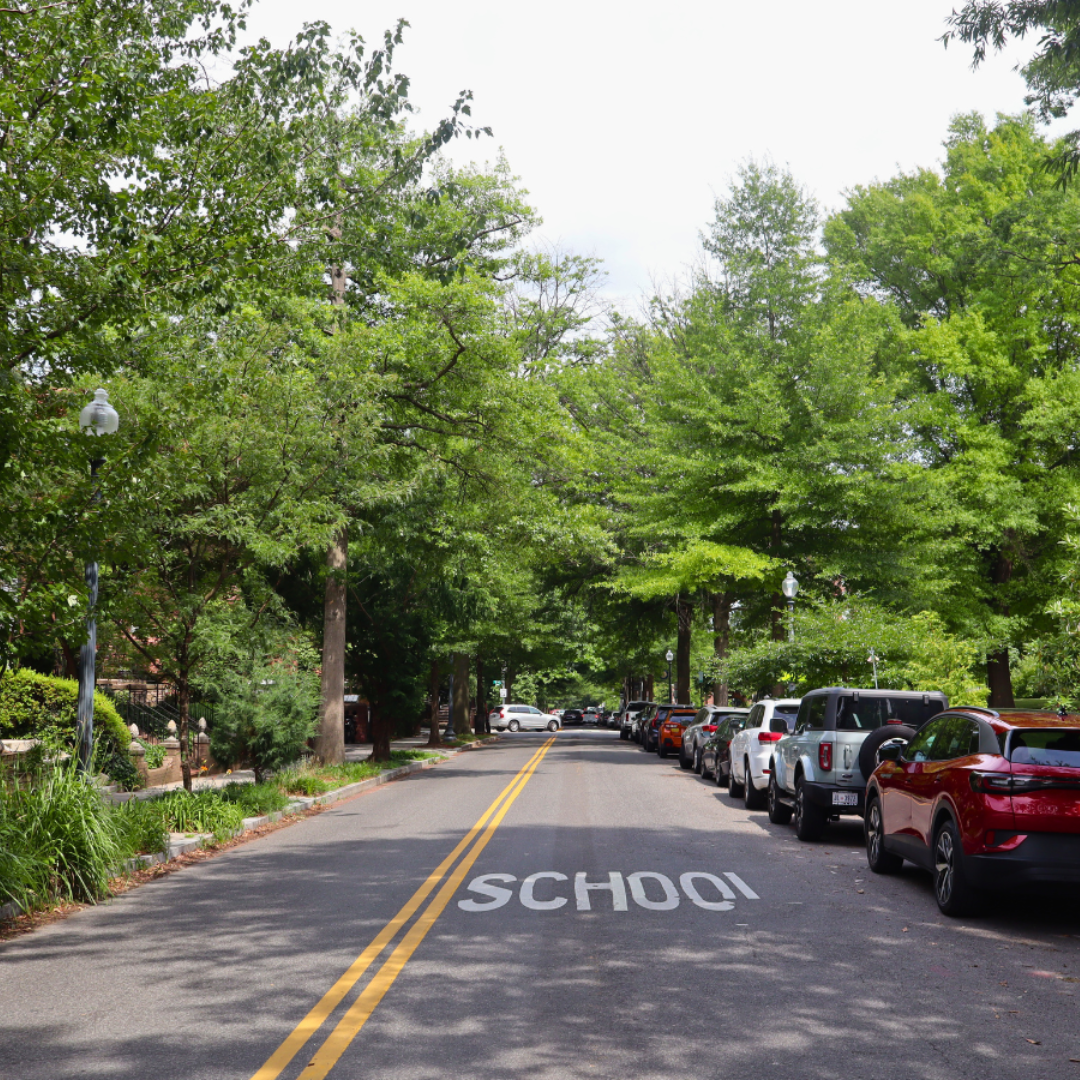


Something sinister is hiding in the forests of the Potomac River region, where invasive pests and disease are quietly killing native hemlock, beech, and ash trees. Their disappearance threatens more than the fall landscape, weakening forests that help prevent erosion, absorb polluted runoff, and protect the Potomac River. This spooky season, learn what is haunting our trees and how you can help protect the forests that keep our river clean.