
Why paying attention to small streams matters in the big picture of Potomac River water quality
/How healthy stream levels protect water quality, wildlife, and the Potomac River.
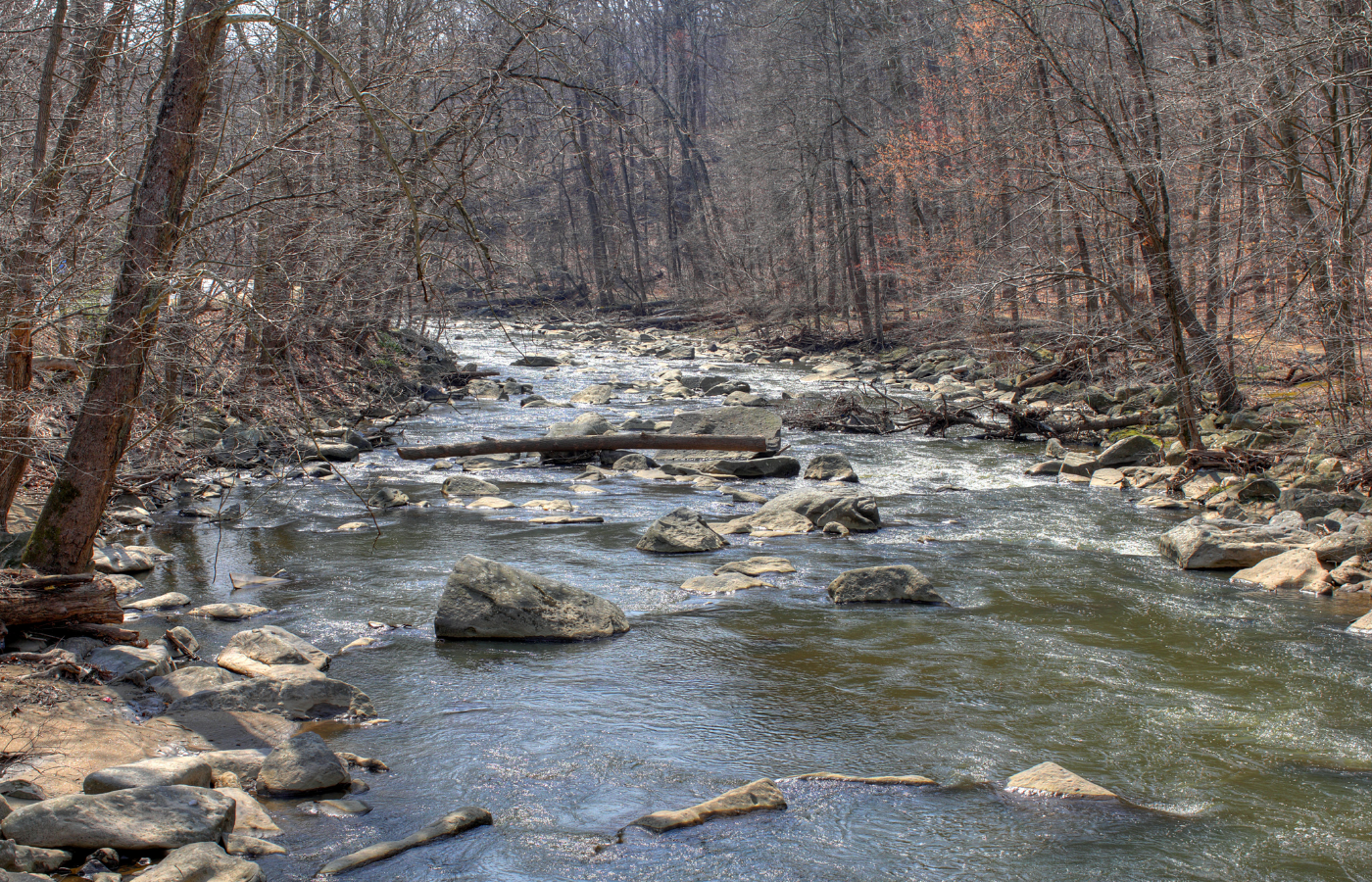
Stream in rock creek park, washington d.c. Photo credit: MR. TInMD CC BY 2.0 via flickr
When we think about water in our region, we often focus on the mainstem of the Potomac River itself as a large body of water. However, many of the big changes are happening quietly in the smaller streams and tributaries that flow through our neighborhoods, parks, and backyards, and into the main stem.
Stream levels naturally rise and fall with the seasons, rainfall, and groundwater conditions. What is different now is how often and how dramatically those changes are occurring. The climate crisis is altering the region’s water balance through shifting precipitation patterns, increased evaporation, and changes in overall water availability. These shifts directly affect how much water moves through our streams over time and how consistently it flows.
Small streams tend to respond first, making early indicators of water health. Paying attention to stream levels helps us understand how the climate crisis and land use are shaping water quality, ecosystems, and community resilience.
What a healthy stream looks like
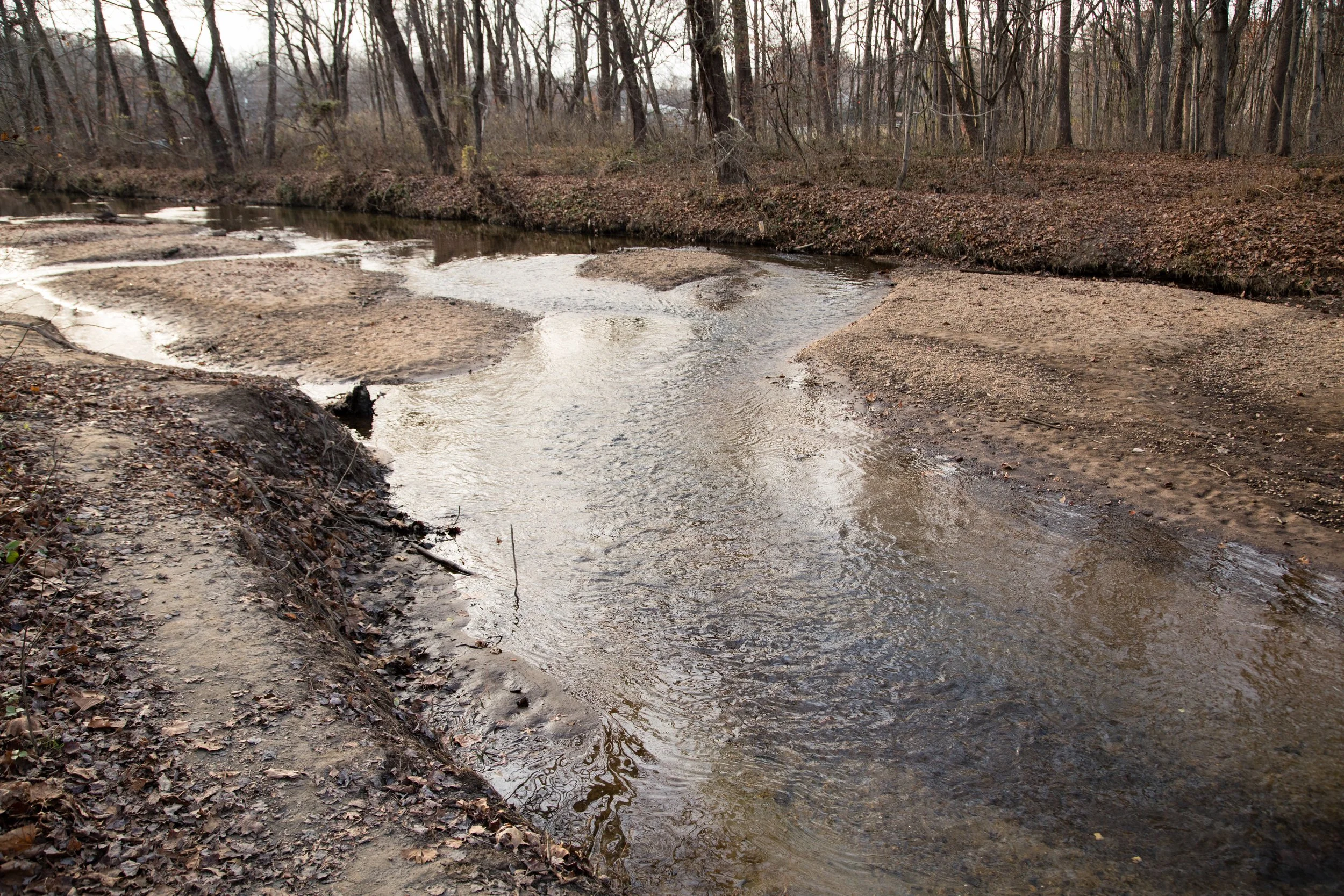
Photo by the Chesapeake bay program, Government Island Park in Stafford County, Va.
Montgomery County, Maryland’s stream health monitoring program evaluates streams by looking at water flow, physical habitat, water chemistry, and the living organisms that depend on them. Stream levels are central to all of these factors. When water flows within a natural range, streams are better able to maintain stable temperatures, support diverse aquatic life, and protect their banks and streambeds. Healthy flow patterns also help streams recover from storms and dry periods without long-term damage.
Monitoring from the U.S. Geological Survey in Virginia shows that many tributaries of the Potomac, especially in places like Fairfax County, have experienced changing water chemistry and streamflow patterns over time. This reflects stresses from land use, stormwater, and climate crisis.
In these streams, long‑term data reveal trends such as more variable flows and shifts in nutrient and sediment levels during low‑flow periods.
In Washington, D.C., the 2024 Citizen Science Water Quality Monitoring Report shows that tributary streams consistently fail water quality standards and experience variable conditions influenced by rainfall and runoff, reflecting ongoing challenges for urban stream health.
How changing stream levels affect water quality and habitat
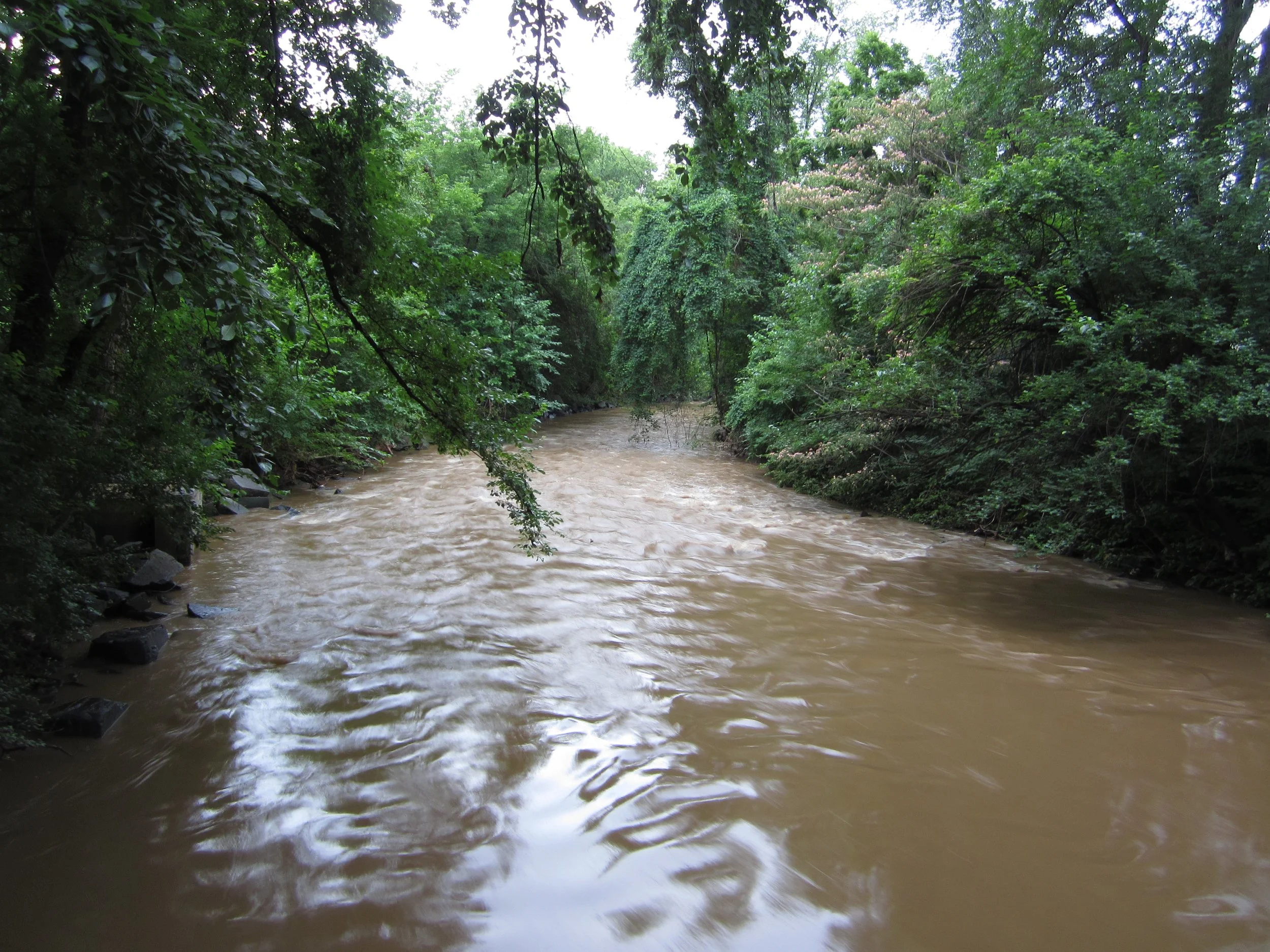
Photo credit: Ken Marshall CC BY 2.0 , D.C
When stream levels drop too low, pollutants become more concentrated and water temperatures can rise, reducing oxygen levels and stressing aquatic life. Higher or faster flows can wash sediment and nutrients into streams, eroding banks, and degrading habitat. Climate-driven shifts in rainfall and evaporation causes more extreme fluctuations, making it harder for streams to maintain the stable conditions needed to support clean water and healthy ecosystems.
Potomac Conservancy works to protect these systems by safeguarding streamside forests, organizing local cleanups to reduce pollution, and advocating for smart policies that keep streams healthy. Our local waterways are only as healthy as their surrounding land, so we combine on-the-ground restoration region-wide advocacy, to improve the entire region, land and streams alike.
Why this matters for our communities
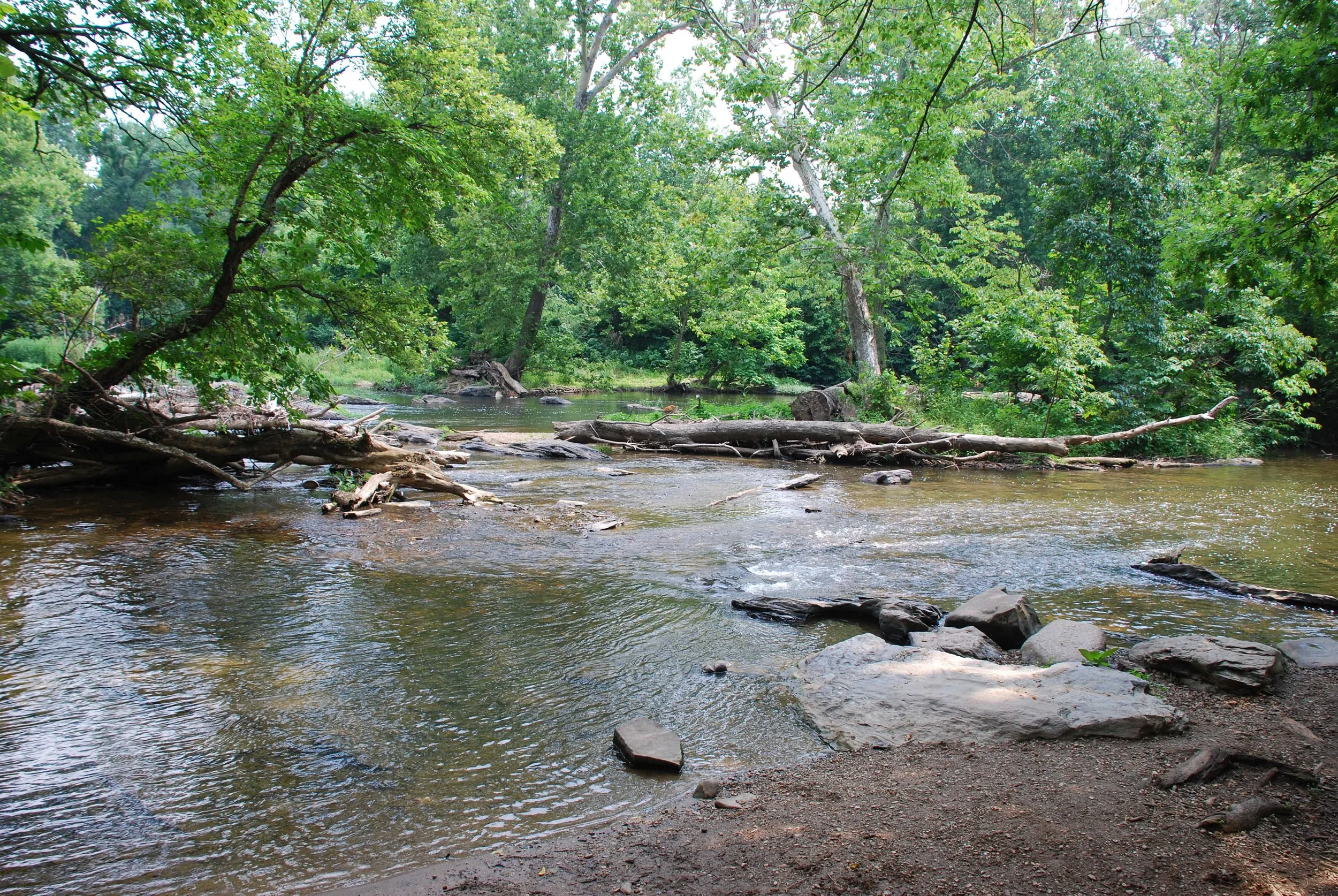
Photo Credit: mtnbikrrrr CC By 2.0 VIA FLICKR
Healthy streams are the backbone of the Potomac watershed, feeding larger rivers and supplying drinking water to 5 million people in our region. When stream conditions decline upstream, those impacts ripple downstream, affecting water quality, wildlife habitat, and the health of tidal waters.
According to our 2025 Potomac River Report Card, tidal water quality scores have remained mostly stable, showing that restoration and conservation efforts are helping slow degradation, though further progress is needed. Improved tidal water quality could support rebounding fish populations, healthier underwater grasses, and more vibrant ecosystems. Managing both stream flow and water quality is essential as climate change continues to alter conditions, reduce erosion, and protect access to nature.
Protecting stream health starts small
Protecting stream levels means protecting the land and systems that support them. Strong protections for high-quality streams, natural buffers, and thoughtful stormwater management all help keep water flowing naturally through our watershed.
By paying attention to the smaller streams near us, we help protect clean water, healthy ecosystems, and a resilient Potomac River system for everyone in our region and generations to come.
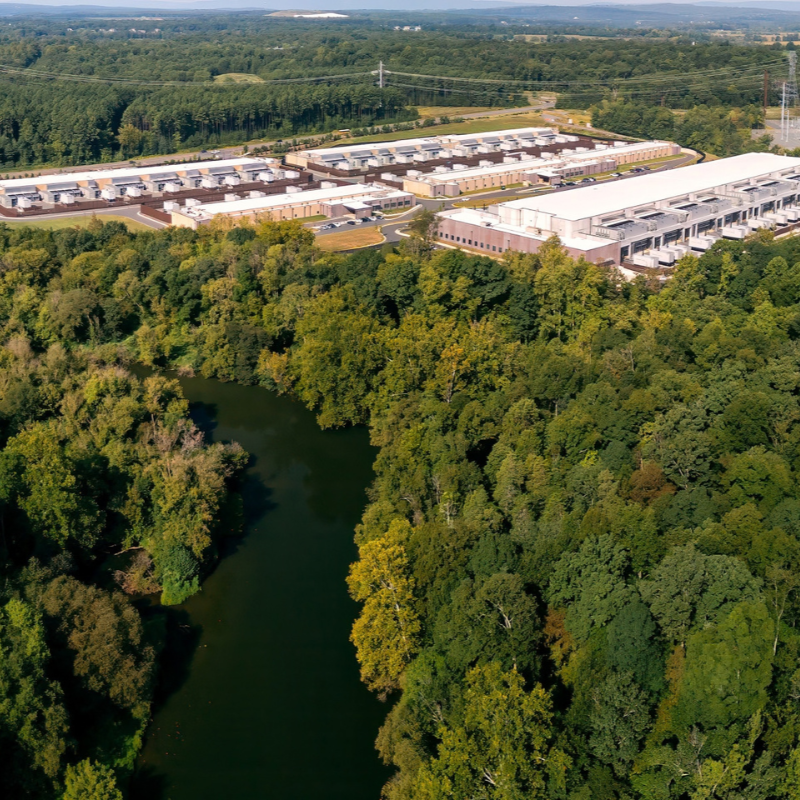



Something sinister is hiding in the forests of the Potomac River region, where invasive pests and disease are quietly killing native hemlock, beech, and ash trees. Their disappearance threatens more than the fall landscape, weakening forests that help prevent erosion, absorb polluted runoff, and protect the Potomac River. This spooky season, learn what is haunting our trees and how you can help protect the forests that keep our river clean.