
Potomac Conservancy demands accountability for massive Potomac sewage spill, launches public sign-on letter to DC Water
/Add your name to our letter by February 5, 2026 to show your support for healthy waterways!
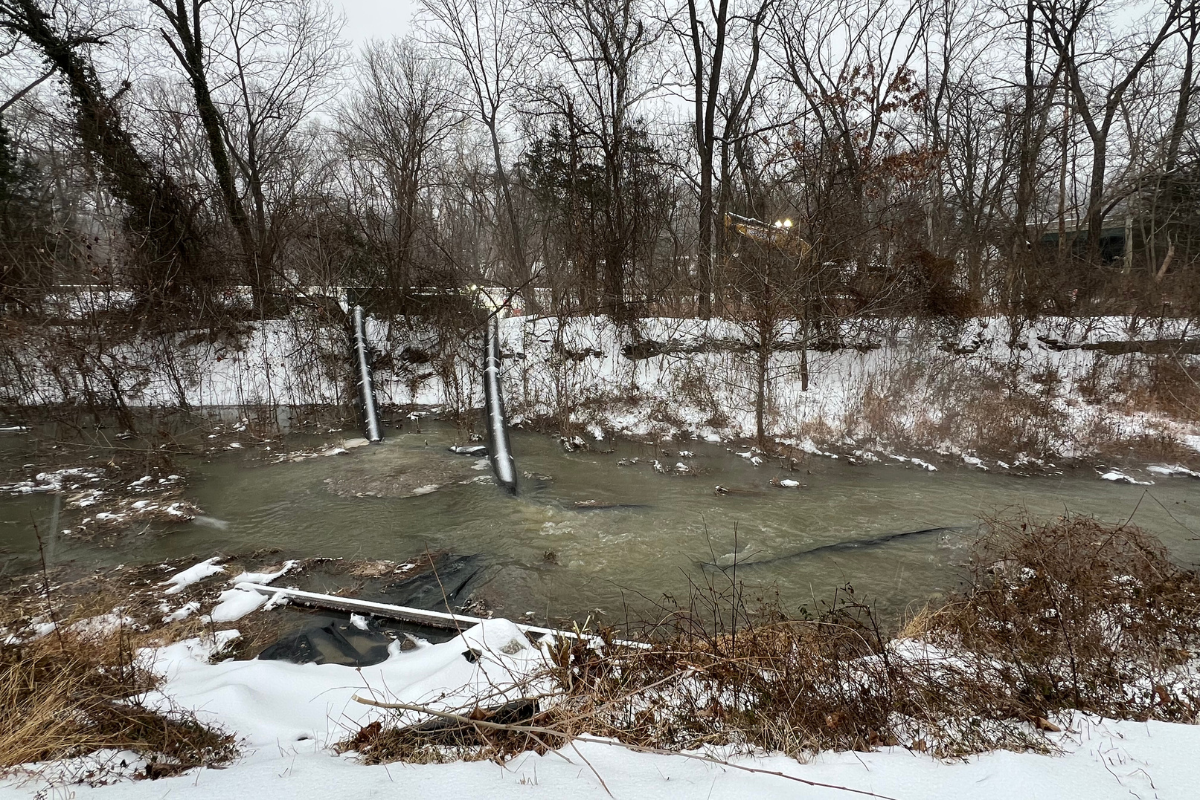
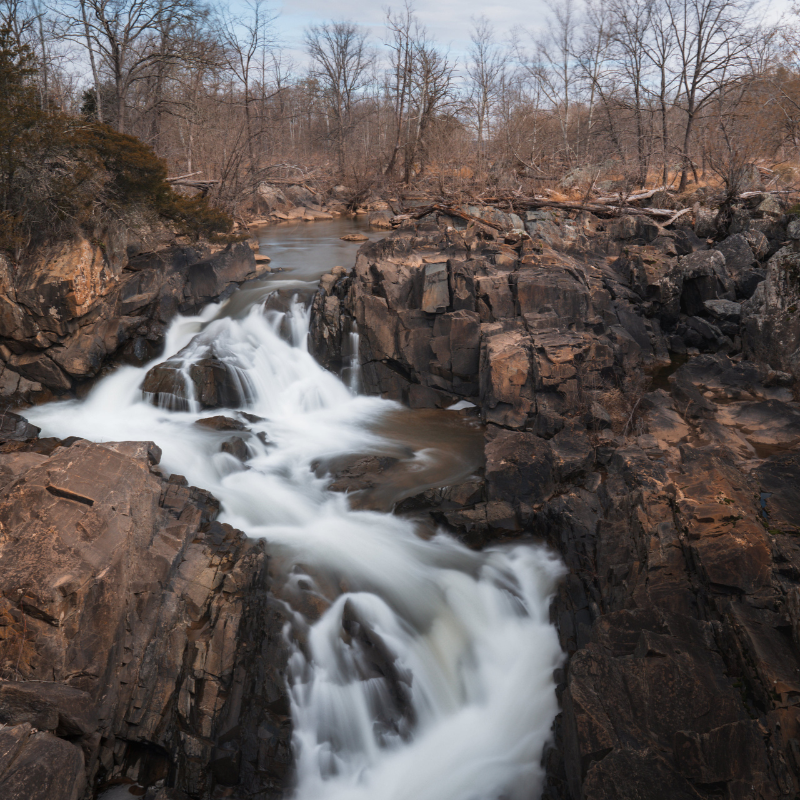
River near sewage spill. Photo by Burr Gray
Potomac Conservancy will submit our letter to DC Water on February 6, 2026. Please read our full letter below and click the link to add your name. Help us show a strong response from the community!
Our letter to DC Water:
David L. Gadis, Chief Executive Officer & General Manager
DC Water
Washington, DC 20003
Dear Mr. Gadis,
On behalf of Potomac Conservancy and the more than 42,000 supporters we represent across the Potomac River basin, I write to express our deep concern regarding the unprecedented sewage spill from the Potomac Interceptor into Potomac River and surrounding area. This ongoing incident, resulting in the release of hundreds of millions of gallons of untreated sewage, represents a serious threat to public health, aquatic life, and the restoration of our region’s most important waterway.
Findings from our 2025 Potomac River Report Card determined that our hometown river has made a remarkable comeback, but its progress has unfortunately stalled over the last decade. We are proud of the hard-fought gains to clean local waterways, efforts in which DC Water has played an important role; however, infrastructure failures of this magnitude threaten that progress.
We recognize DC Water’s swift action to install short-term diversion measures and stabilize the immediate situation. We also acknowledge the challenging and complex nature of emergency infrastructure failures and want to extend our thanks to the crews who have worked diligently in extreme weather conditions to stop the leak. At the same time, the scale, duration, and downstream impacts of this spill demand a response that extends beyond emergency containment. Raw sewage carrying dangerous bacteria is now affecting waters flowing through Washington, DC and surrounding communities, waters that millions of people rely on for recreation; companies rely on for their economic livelihood; and fish and wildlife rely on for survival.
The Potomac River is often called “the Nation’s River,” but for the communities who live along it, paddle it, fish it, and depend on it, it is also deeply personal. If this spill had occurred just a few months later, during peak recreation season, E. coli contamination could have effectively shut down large stretches of the river, eliminating safe access for anglers, paddlers, and families – eroding public trust in the safety of our waters. That reality underscores how unacceptable this incident is, particularly as our community strives to make the entire Potomac River safe for swimming and fish consumption year-round.
Potomac Conservancy’s mission is to protect and restore the Potomac River through science-based conservation, advocacy, and community engagement. We know that conservation solutions must work hand-in-hand with well-maintained water infrastructure. DC Water’s ongoing Clean Rivers Project to prevent Combined Sewage Overflows (CSOs) in Rock Creek and the Potomac and Anacostia Rivers is proof of that. It is a leading global model of responsible and effective investment in state-of-the-art infrastructure solutions and has shown proven results so far.
However, the January 19, 2026 sewage pipe collapse makes it clear that outdated and weak infrastructure remains one of the most significant threats to the Potomac River’s health, and that accountability, transparency, and follow-through are essential.
Accordingly, we call on DC Water to commit to the following actions as part of the response, restoration, and prevention phases of this disaster:
Immediate and Short-Term Actions
Prioritize public health and water safety by continuing to share frequent and public communication about risks, monitoring results, and water use advisories until E. coli levels drop below 410 MPN, the public safety limit.
Provide transparent, ongoing updates regarding the volume of sewage released, the duration of the spill, and the effectiveness of the containment measures.
Coordinate closely with public health agencies, conservation partners, key stakeholders, and decision-makers on effective mitigation strategies.
Investigation and Accountability
Provide the most recent assessment of the structural integrity of the Potomac Interceptor.
Commission an investigation, open to independent review and accessible to the public, into the cause of this infrastructure failure, including whether warning signs were missed and whether preventative maintenance or upgrades could have averted the disaster.
Identify and publicly share other known or potential weak points within the system with a clear timeline and action plan for addressing them by the end of March 2026.
Integrate lessons learned from this incident to strengthen our region’s water infrastructure management and emergency preparedness.
Restoration, Mitigation, and Long-Term Prevention
Commit to comprehensive environmental mitigation and restoration efforts to address ecological harm to the Potomac River, C&O Canal, and surrounding areas both in the immediate aftermath and over the long term.
Partner with environmental organizations, river scientists, and affected communities in restoration planning and implementation.
Support greater and sustained private and public investment in the region’s water infrastructure and green infrastructure to reduce polluted runoff and CSOs.
Communities across the Potomac watershed, including those who have lived for decades with the impacts of chronic sewage pollution and toxic releases in the Anacostia River and other waterways, know too well the consequences of delayed action and underinvestment. This incident must not further undermine public confidence in our water safety and infrastructure.
Please find enclosed sign-ons from concerned local residents and leaders who join Potomac Conservancy in our demand for meaningful, measurable progress to ensure that a disaster of this magnitude never happens again.
The Potomac is our river, and protecting it is a shared responsibility. We look forward to continuing our longstanding partnership with DC Water and trust your team to meet this moment with transparency and leadership. We are ready to engage as a constructive partner in the work ahead and look forward to your response by or before February 27, 2026.
Sincerely,
Hedrick Belin, President
Potomac Conservancy