The latest updates from the Potomac Interceptor Sewage Spill
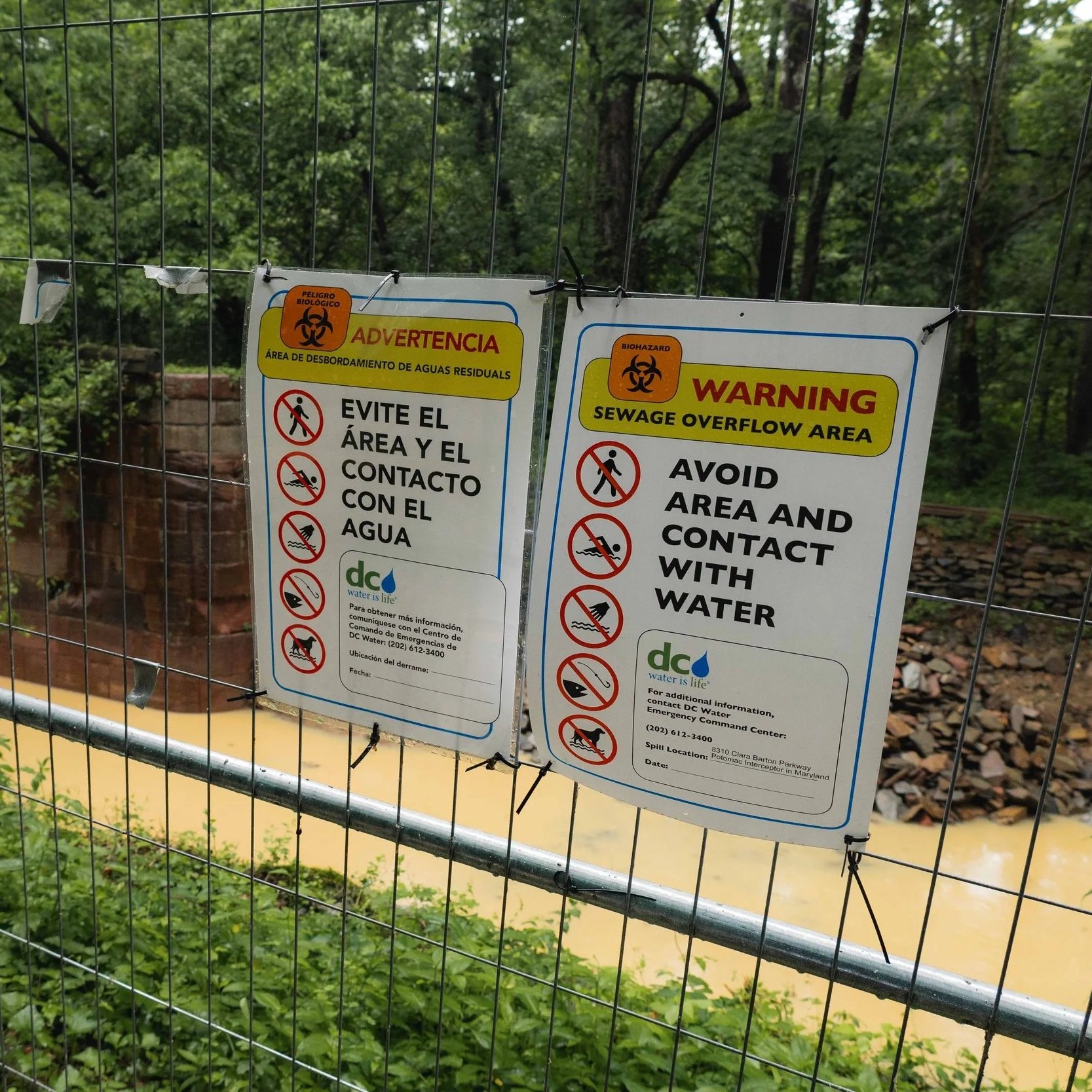
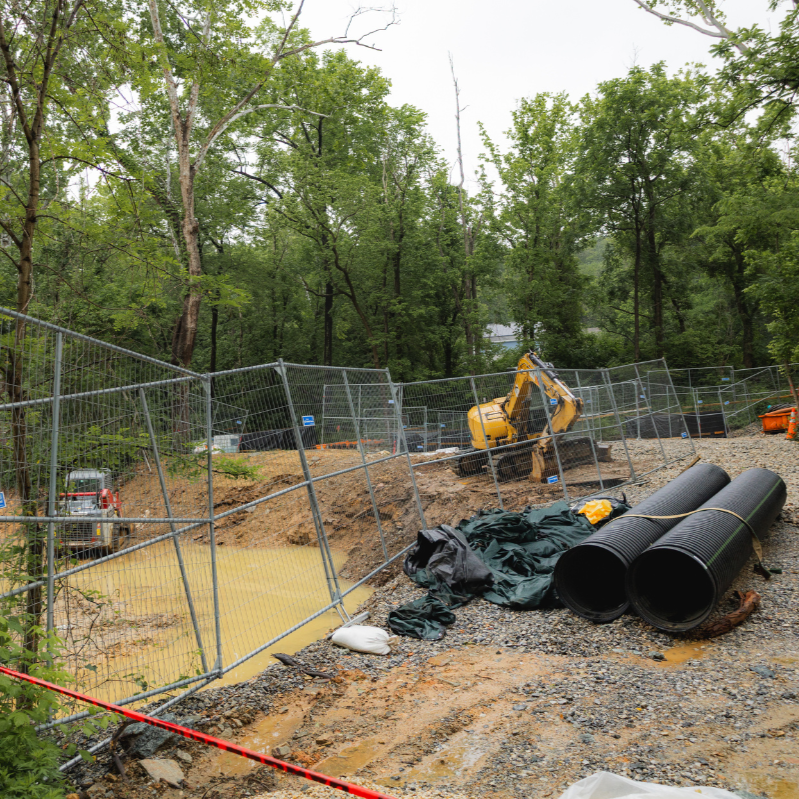
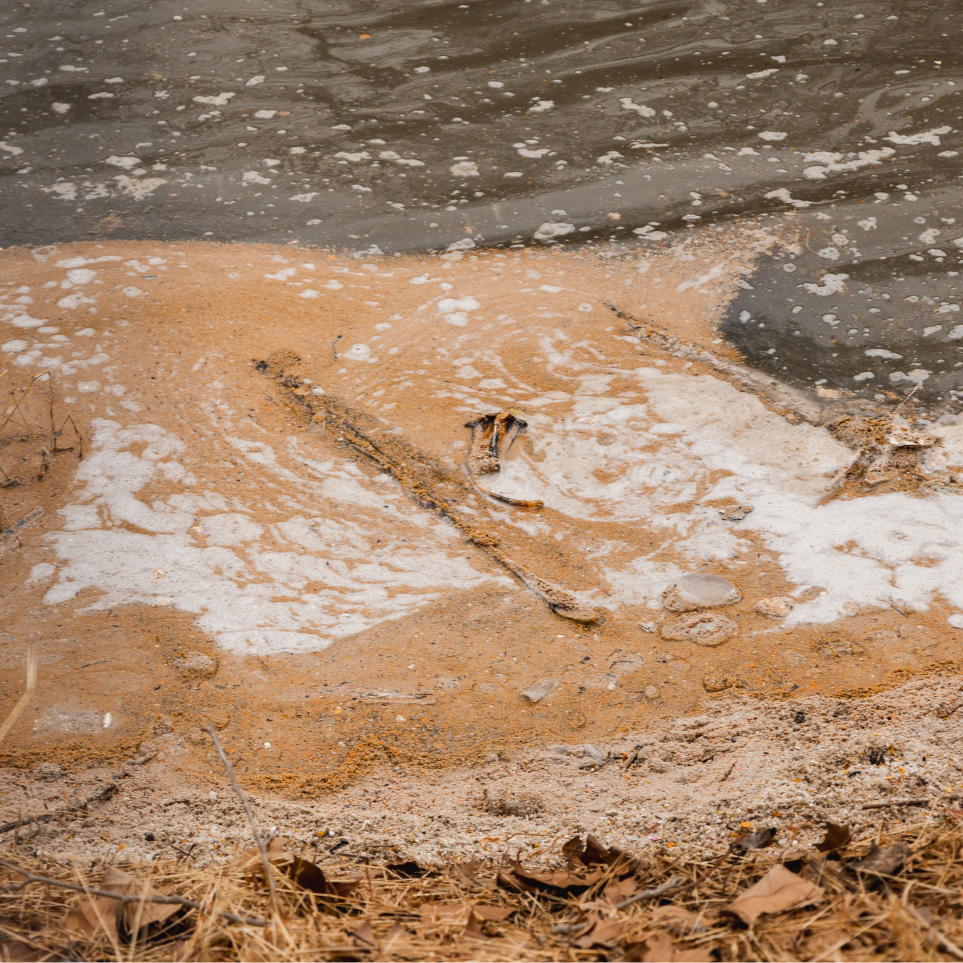
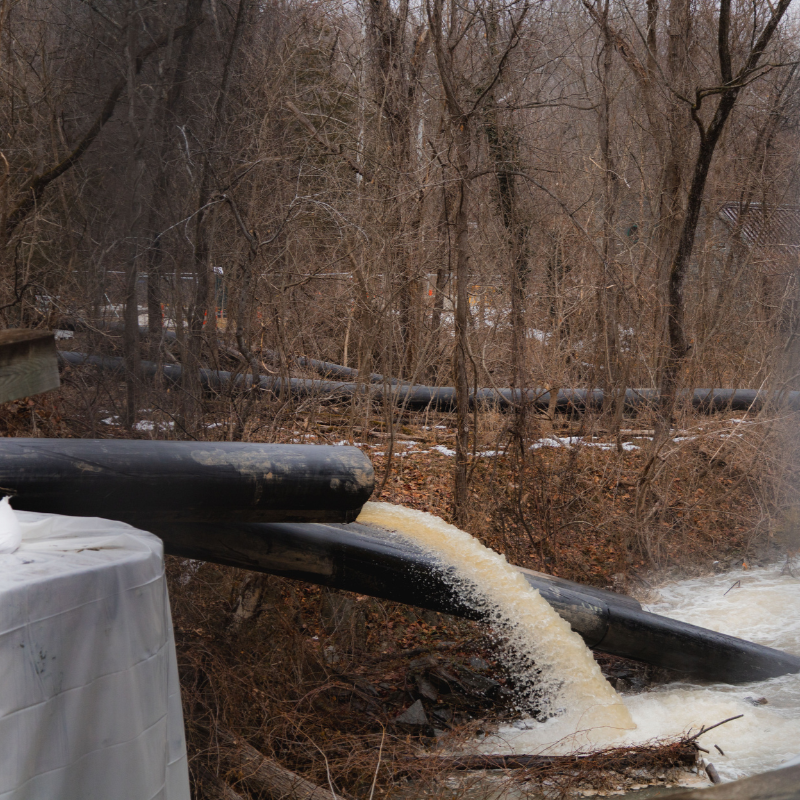
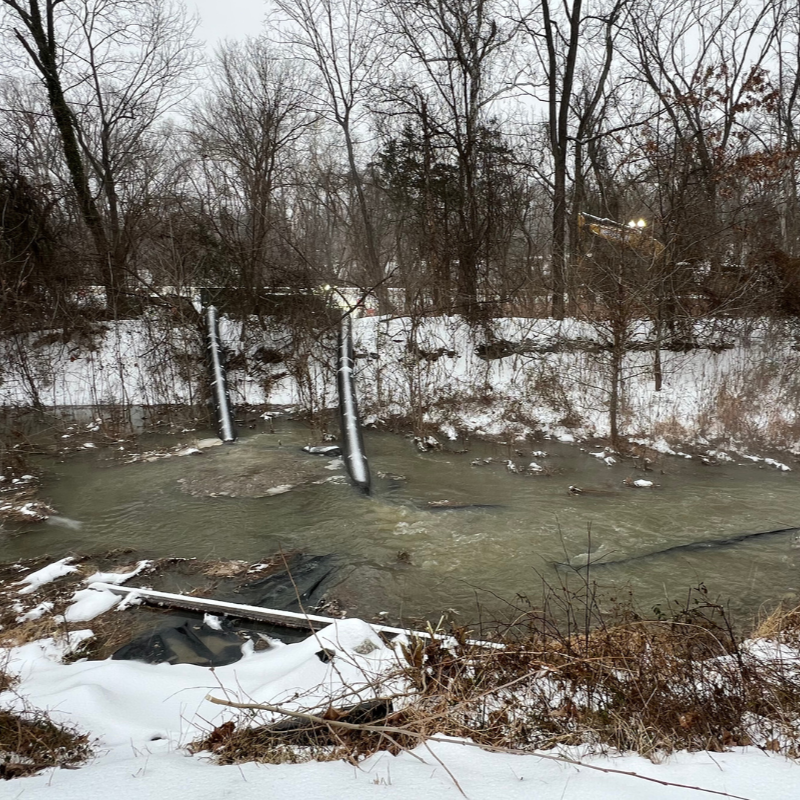
/What you need to know about the January 2026 Potomac Interceptor sewage spill and how you can demand accountability and action.
Read MoreWhat you need to know about the January 2026 Potomac Interceptor sewage spill and how you can demand accountability and action.
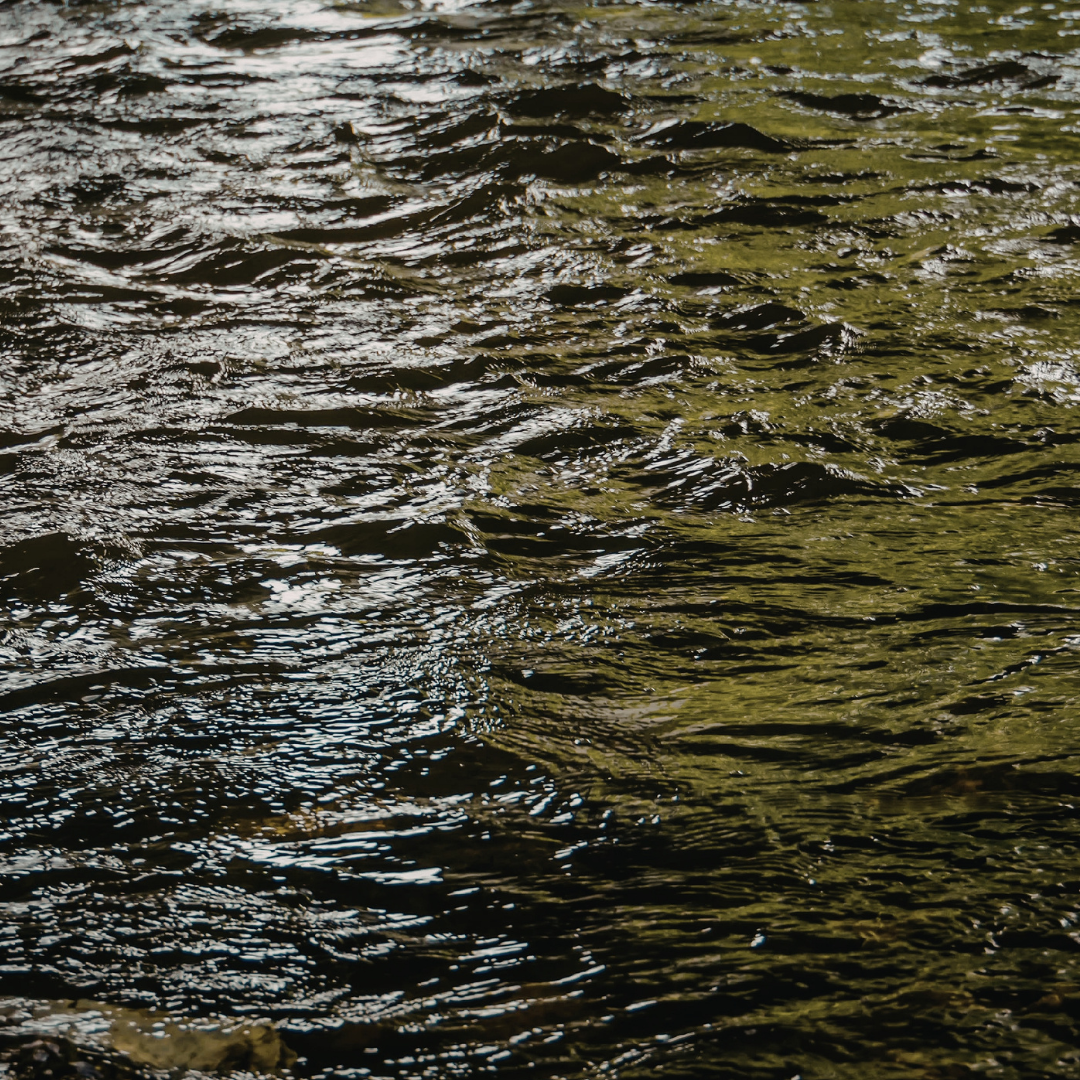
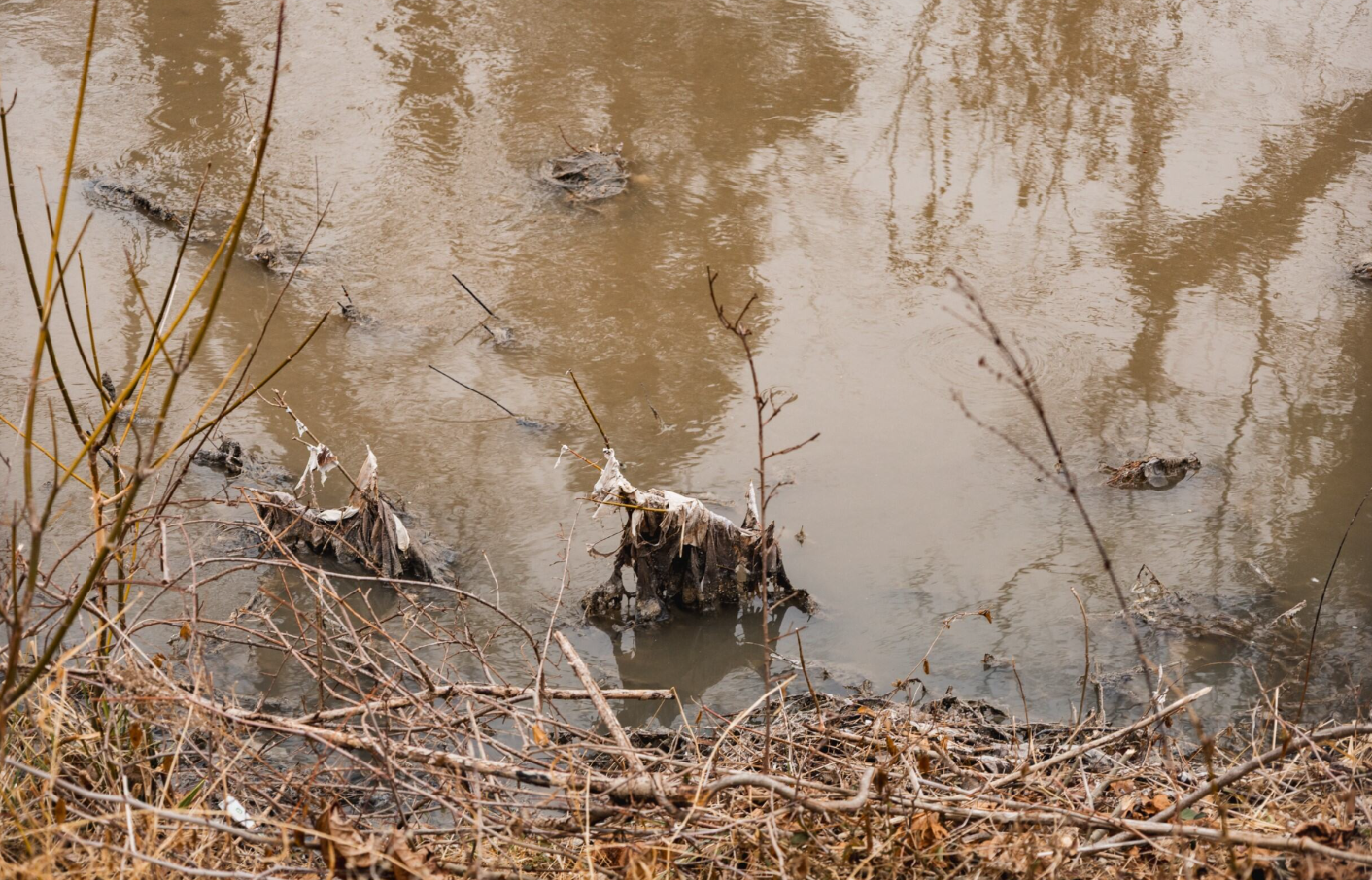
Read MoreOver 260 million gallons of sewage spilled into the Potomac River since January 19, 2026. This is our water and it’s unacceptable. Read our joint public letter to DC Water calling for accountability, answers, and actions — demands that are shared by 2,100+ residents and 21 environmental organizations and businesses.
Read MoreThe Potomac is our river and our responsibility. That’s why we’re starting the 2026 legislative session in Virginia and Maryland off strong by fighting for critical conservation funding. Learn more about our priorities this session.
Read MorePublic funding and speaking out in support of it are crucial to protecting the Potomac River region. Read on to see how this local organization in Maryland is tirelessly working to improve our waterways with public funding.
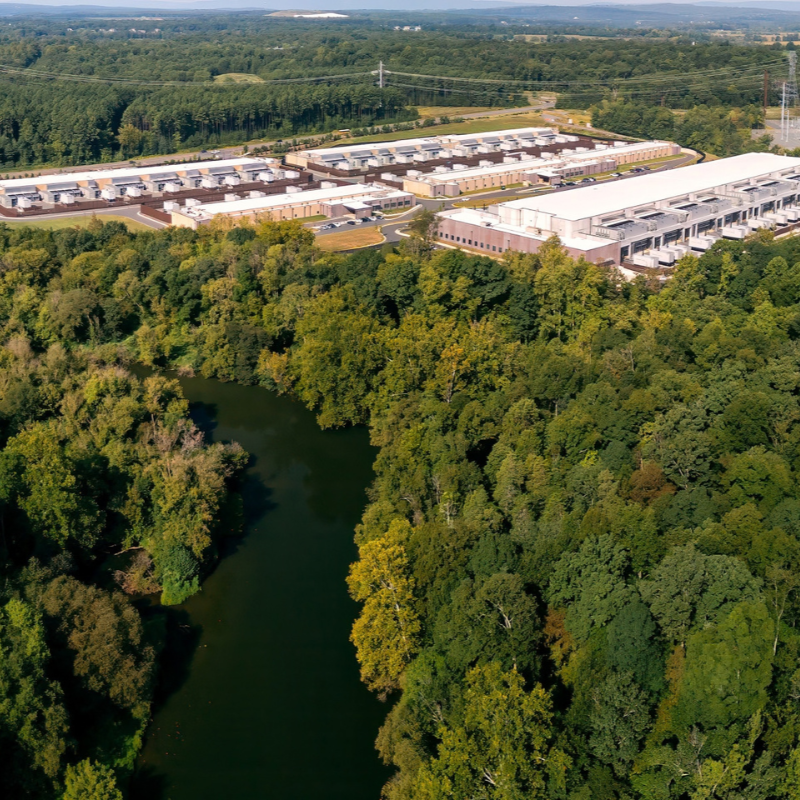
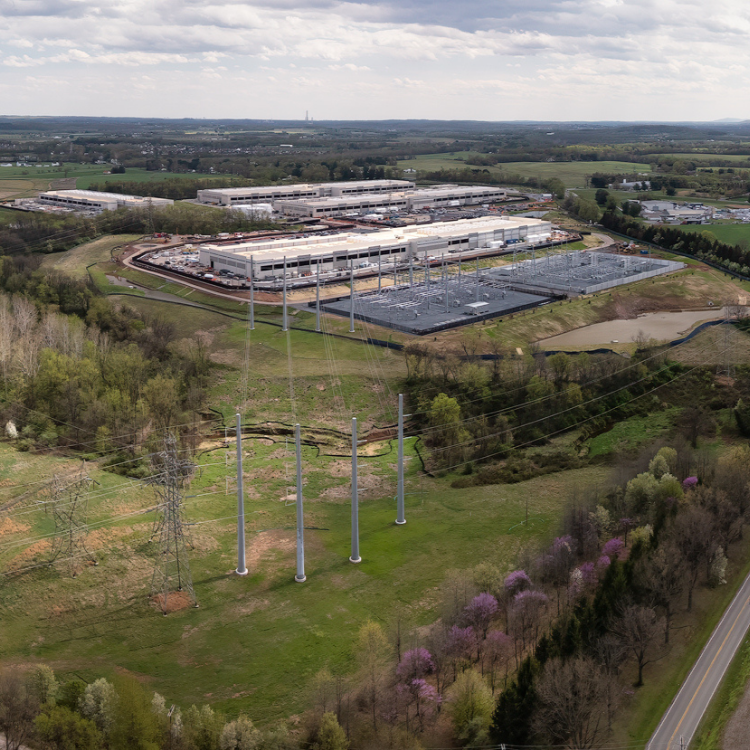
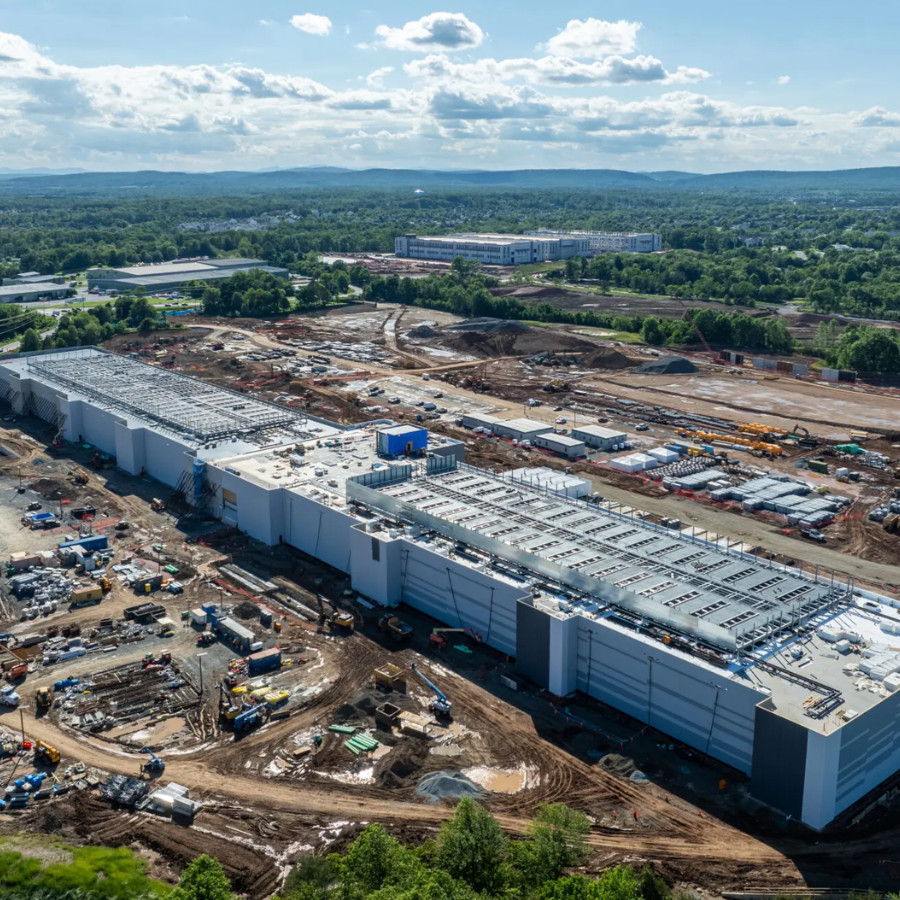
Read MoreData centers aren’t new to the Potomac River region, but over the past decade, we have seen a boom in construction, especially in Loudoun County, Virginia. How are these data centers affecting the Potomac River region? Dive in with us.
Read MoreMaryland is facing a major budget deficit this year, and legislators are considering drastic cuts to land preservation programs through 2029, including Program Open Space. We’re speaking up to protect beloved parks, trails, and natural areas that are at risk and need your help.
Read MoreThe decline of America’s bald eagles—and their community-powered rebound—was one of the defining moments for the nation’s environmental movement, especially in the Potomac River region. Their road to recovery highlights the importance of preserving ecological balance.
Read MoreThe 2025 legislative session is almost here and we’re excited to protect the Potomac River region. We’re working in both Maryland and Virginia this year. Read on to find out what our priorities are and how you can take action!
Read MoreTrees are not a luxury, they're an essential natural defense against water pollution and the climate crisis. That's why Potomac Conservancy is standing with local environmental partners to stop further destruction of mature trees along one DC-area highway. Read our joint letter.
Read MoreThe Federal Farm Bill is essential to advancing conservation in our region because it provides critical funds and resources that unlock easement opportunities for farmers and everyday people. In fact, it’s the single largest source of private conservation funding.
Read MoreWe appreciate the work of the Beyond 2025 Steering Committee but feel the recommendations do not go far and move quickly enough. The following letter offer alternative recommendations for the Chesapeake Executive Council to consider adopting at their annual meeting in December:
Read MoreThe 2024 legislative session is over, and thanks to you, we saw some great Potomac River successes! Dive in to see which bills passed and which made monumental progress.
Read MoreWe partnered with local organizations to share our concerns about environmental damage caused by the Quantum Loophole data centers project in Fredrick County, Maryland.
Read on to see what are our main concerns and recommendations to remedy any environmental harm.
Read MoreAre you worried about your local neighborhood trees in Montgomery County? Us too! Trees are critical to a healthy and thriving Potomac River, which is why we need to protect them!
Read on to see how the Montgomery County Forest Coalition, with leadership from Potomac Conservancy, is fighting for healthier trees in your county.
Read MoreThe 2024 Legislative session is in full swing in Maryland and Virginia. Potomac Conservancy and our partners are committed to advancing clean water laws for everyone.
Ready to find out what our priorities are in 2024?
Read MoreWe helped pass bipartisan laws at every government level that have increased conservation resources, raised environmental protection standards, and funded forest and stream restoration across the region.
Check out what our big policy wins were this year.
Read MoreIt’s been said that to know where you’re going, you have to know where you’ve been…
We reflect on Potomac Conservancy’s 30-year history of conservation achievements and the work that still lies ahead of us to return swimmable and fishable waters to our community.
Read MoreThis new law is a tree-mendous success that will raise forest protection standards statewide and ensure we will experience a net gain of trees in the coming years and decades!
Read on to see what benefits the new legislation will have for the Potomac River, local wildlife, and our communities.
Read MoreForest protections are critical in the fight for a clean Potomac River. We are proud to support Montgomery County’s recent passing of an updated Forest Conservation Law. This will not only benefit our drinking water, but also our community’s health, and local ecosystem.
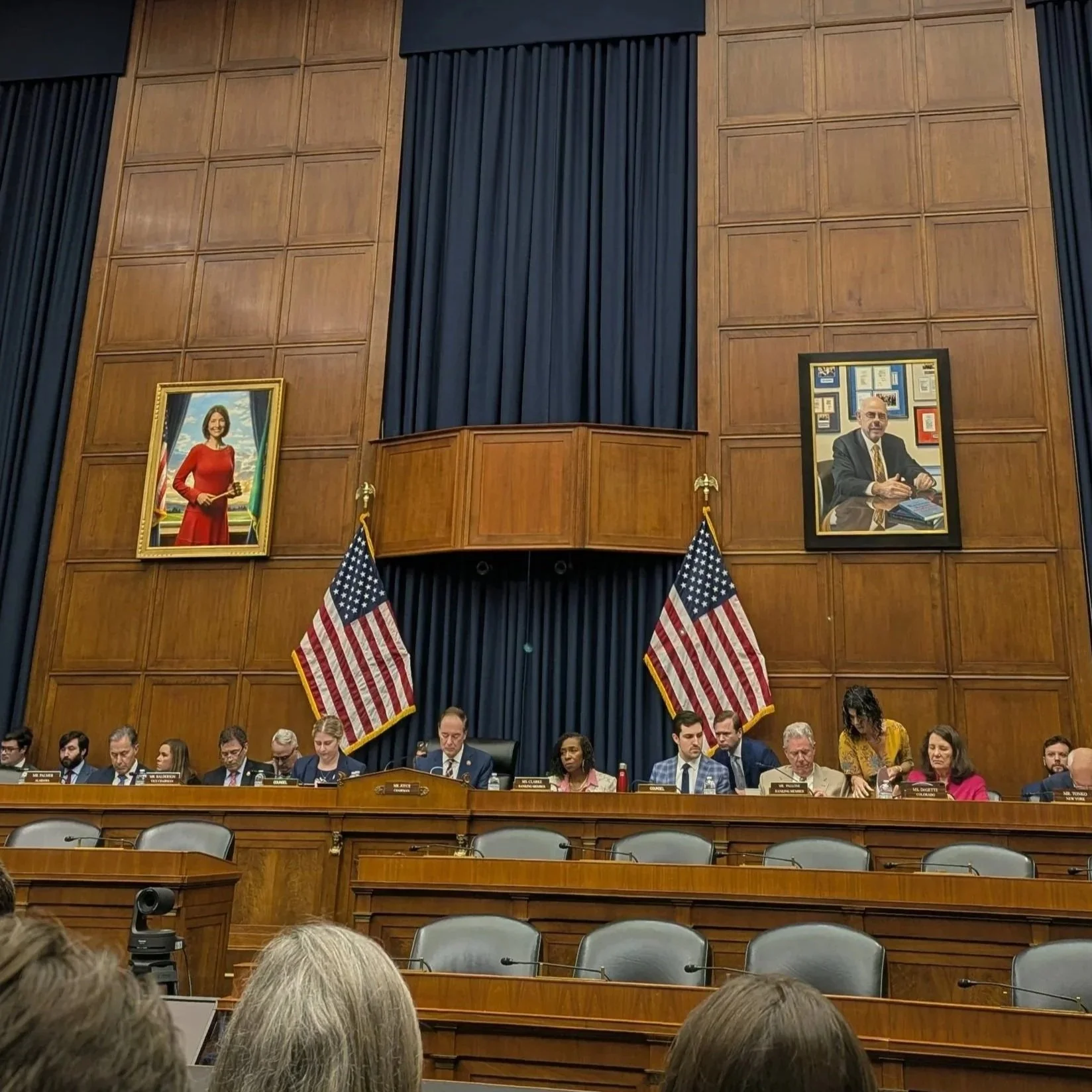
Read MoreOur Senior Policy Director, Anna Mudd, recently testified in support of strengthening Montgomery County’s Forest Conservation Law.
Learn more about why we support this bill!
Read MoreThe region’s leading clean water advocate, fighting to ensure the Potomac River boasts clean drinking water, healthy lands, and connected communities.
Potomac Conservancy
962 Wayne Ave, Suite 540
Silver Spring, MD 20910
Call: (301) 608-1188
EIN: 52-1842501
Potomac Conservancy is a nationally accredited land trust and clean water leader in the Potomac River region. We’re committed to restoring the Potomac to full health for the five million people who rely on the river for drinking water and outdoor enjoyment. We improve local water quality through land conservation initiatives that effectively stop pollution from entering our streams and tributaries. Our impassioned base of 35,000 supporters empowers us to protect and expand streamside forests, pass water protection laws, and restore local shorelines.