7 ways urban trees *leaf* communities healthier, cleaner, and thriving
/
Have you heard about how tree-mendous urban trees are? Check out these 7 benefits trees have for cities in the Potomac River region!
Read More
Have you heard about how tree-mendous urban trees are? Check out these 7 benefits trees have for cities in the Potomac River region!
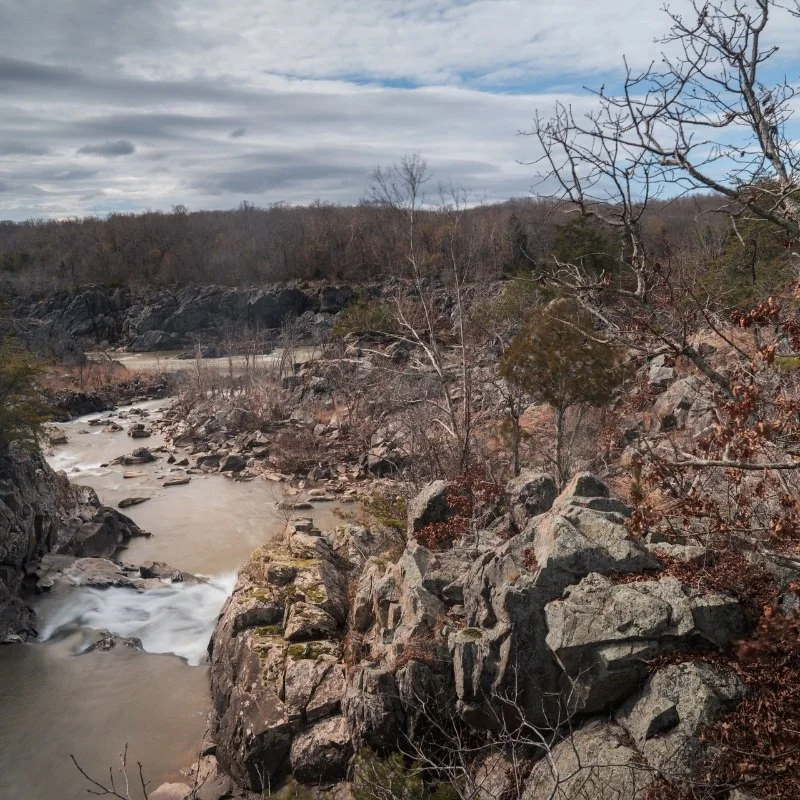
Read MoreGreat Falls is one of many places along the Potomac we all enjoy visiting, but have you ever wondered how did it became the national treasure it is today? Before it became a protected park, Great Falls had a long history dating to the first President of the United States.
Read MoreOne small way to help out the Potomac River: Limit your single-use plastics!
These convenient alternatives may keep litter out of our waterways and can even save you money in the long run.
Read MoreIf you know where to look, there are many opportunities to stargaze in the Potomac River Region. Appreciating local night skies is a vibrant way to enjoy the beautiful natural world around us.
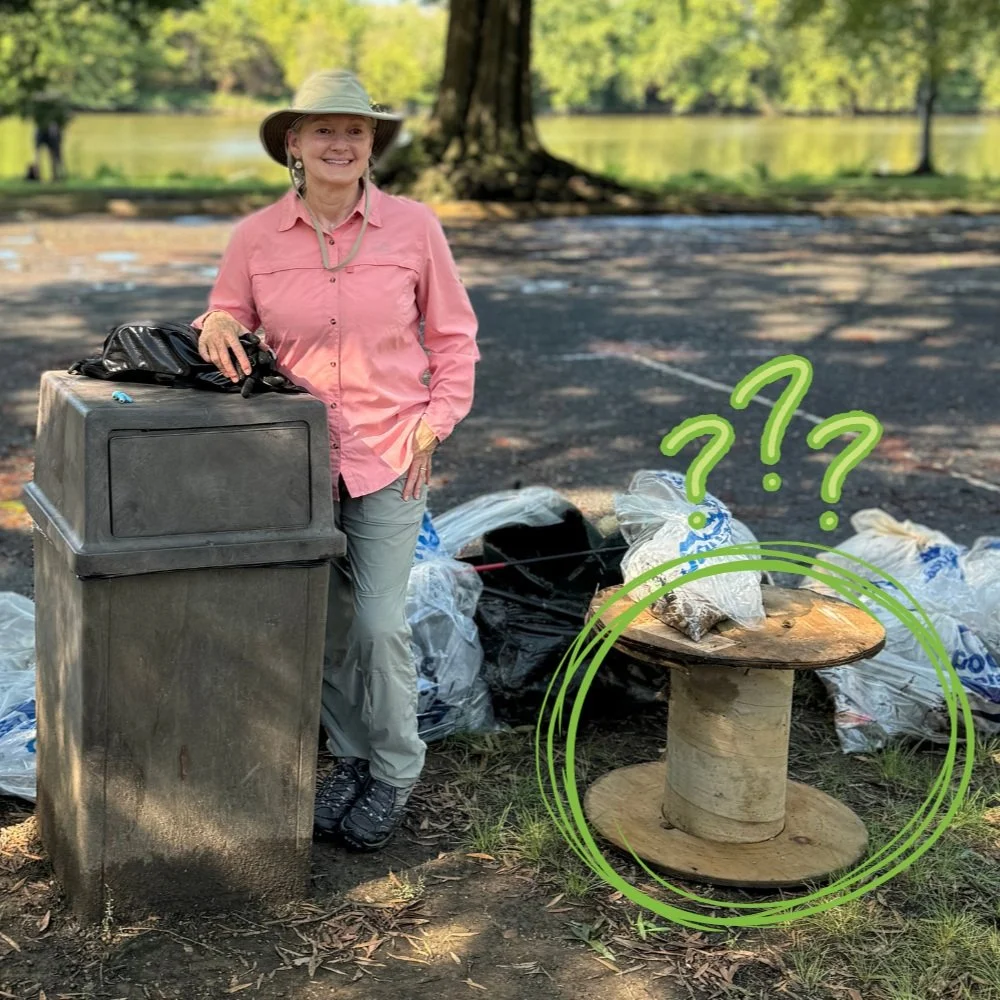
Read MoreOur dedicated team of river-loving volunteers removed literal tons of trash from our parks and waterways this year. This isn’t just important for keeping our water clean—it can also be a lot of fun! Take a look at some of the most unusual litter they found at our cleanups.
Read MoreCurious about how local critters get through the winter?
We’ve got the intel for you! Whether it’s packing on the pounds, getting out of dodge, or cozying up with some friends, Mother Nature has quite an amazing response to the cold. Find out how five common critters spend the winter.
Read MoreThe 2025 legislative session is almost here and we’re excited to protect the Potomac River region. We’re working in both Maryland and Virginia this year. Read on to find out what our priorities are and how you can take action!
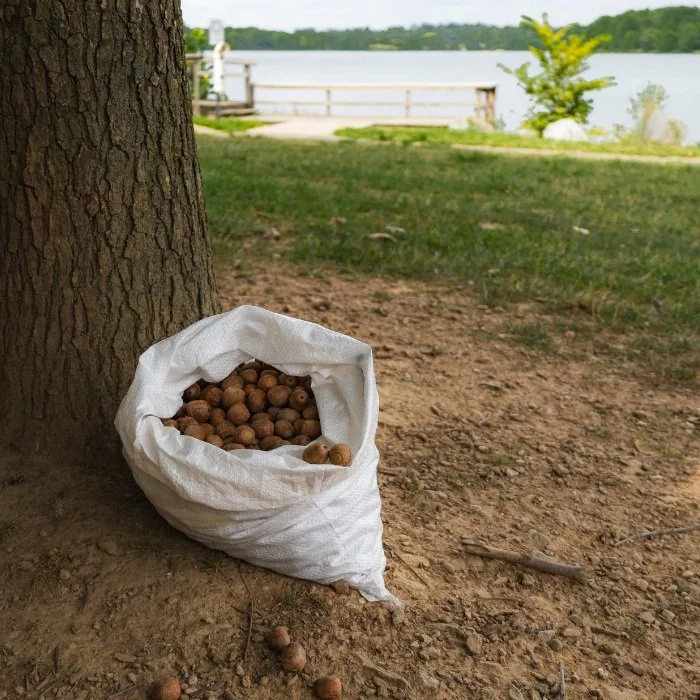
Read MoreWith the summer drought, we saw fewer acorns than usual, but our volunteer squirrels stepped up and helped us make it a successful season!
Find out how many tree nuts we collected this year!
Read MoreAll lands in the United States are the ancestral lands of Indigenous peoples. If we want to build an equitable and sustainable movement to protect the Potomac River, our local lands, and the climate, we must learn from Indigenous people and their legacy of environmental activism.
Read MoreProtecting the land around the Potomac River is critical for its health. We talked with local residents to hear why they think safeguarding the Back Creek region is essential to their community and everyone in the Potomac River watershed.
Read MoreIf you’ve ever been told you should be a Potomac River tour guide, this quiz was designed with you in mind. From natural wonders to the foundations of our nation’s history, our region is steeped in fascinating facts too good not to share. The more we learn about the Potomac, the more we want to protect it for all to enjoy!
Read MoreWhy do the Tidal Basin seawalls need an upgrade, and how long will it take? The passage of time and the growing intensity of the climate crisis mean the Tidal Basin needs better flood protection – much better.
Read on to learn about this costly infrastructure project and the power of harnessing nature-based solutions to adapt to climate change.
Read MoreTrees are not a luxury, they're an essential natural defense against water pollution and the climate crisis. That's why Potomac Conservancy is standing with local environmental partners to stop further destruction of mature trees along one DC-area highway. Read our joint letter.
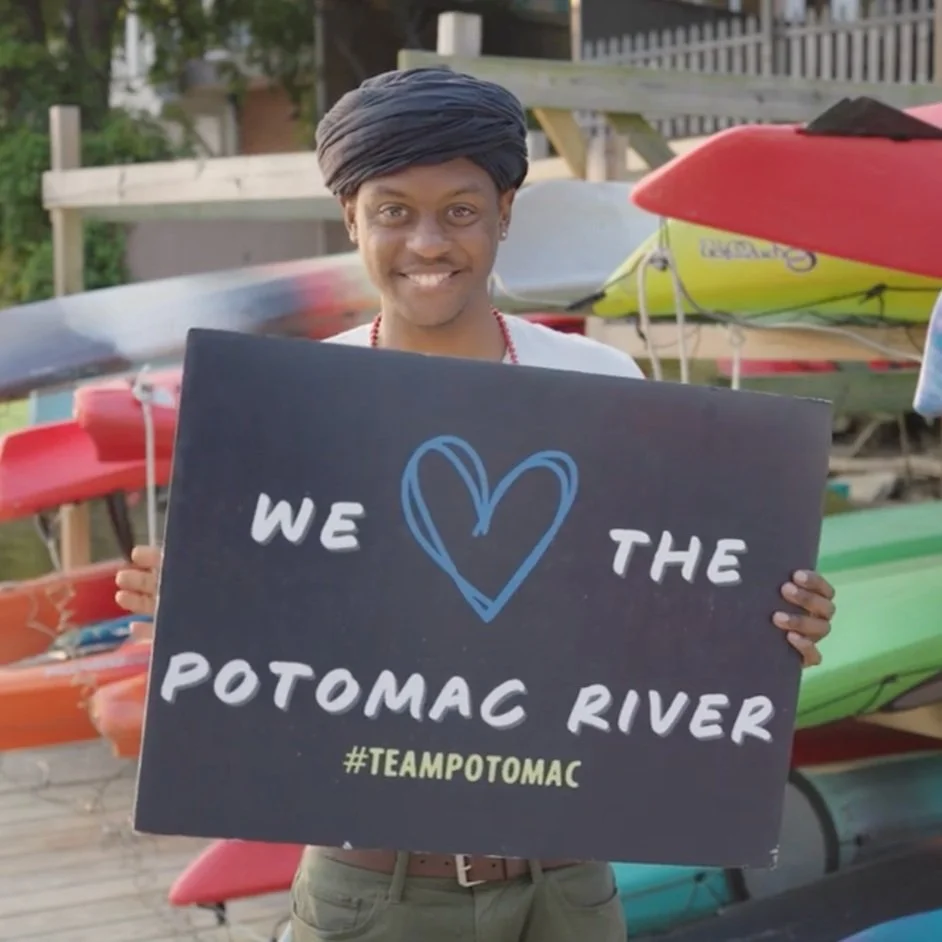
Read MorePotomac Conservancy turned 30 this year! To celebrate, we hosted a paddle celebration to bring together the Potomac River’s biggest fans!
Caring about the Potomac is our favorite thing to do, second is enjoying the river!
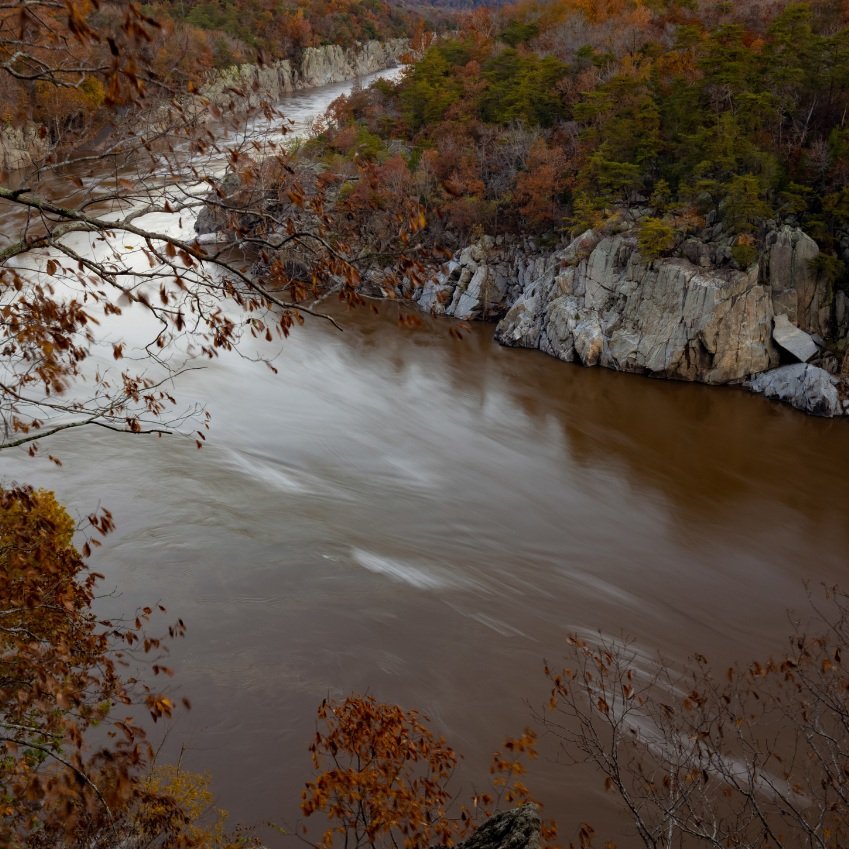
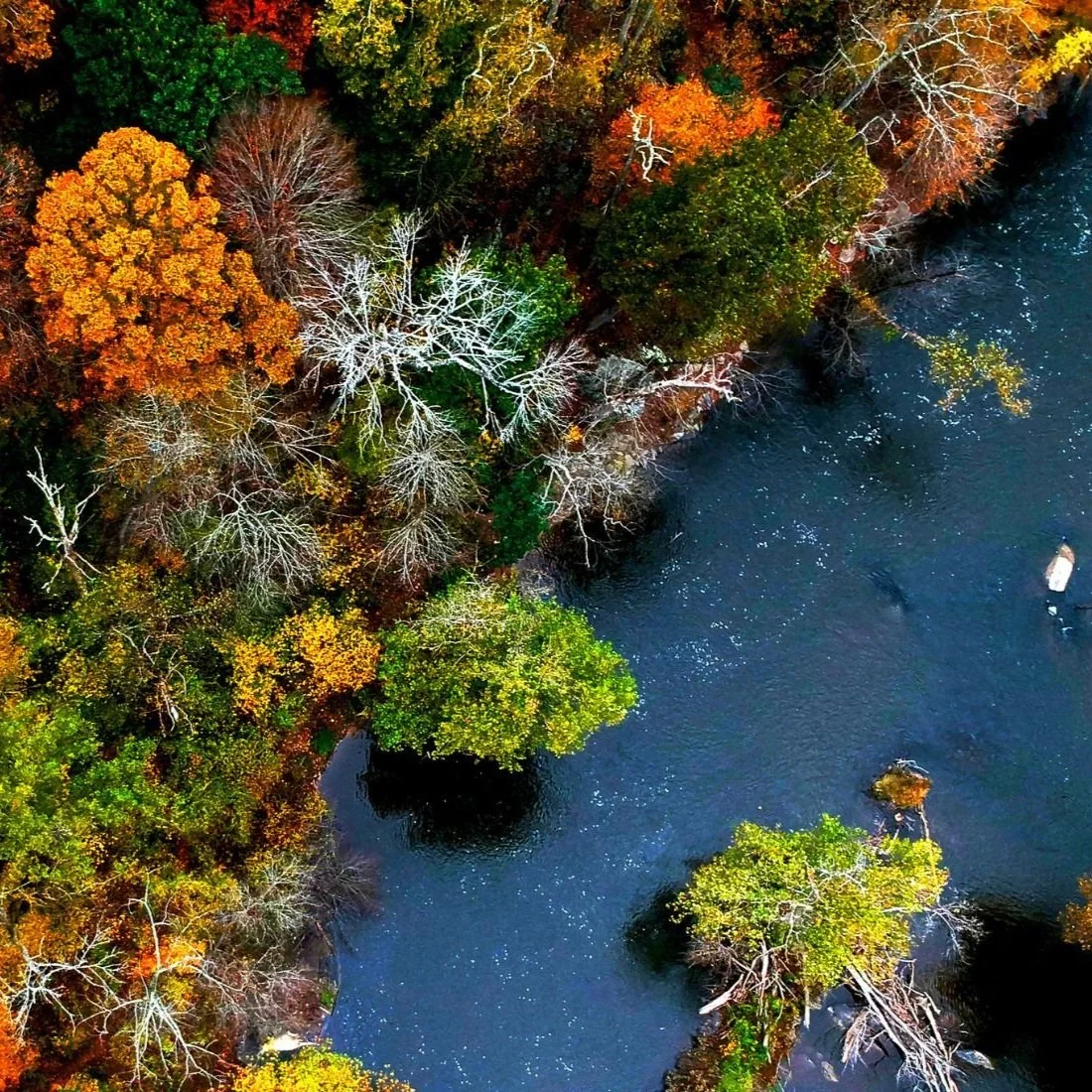
Read MoreIs leaf peeping on your fall bucket list? We've gathered the best hikes to see the incredible leaves this season. Trees are critical to our clean water work, so it's important that we appreciate them throughout the year!
Read MoreThe Federal Farm Bill is essential to advancing conservation in our region because it provides critical funds and resources that unlock easement opportunities for farmers and everyday people. In fact, it’s the single largest source of private conservation funding.
Read MoreLet’s dive into the river and learn about some unusual animals and what makes them stand out among the rest. While there are some you may be familiar with, others you may have never heard of before.
Read MoreEvery few years, trees mass produce – a boost in production known as a ‘mast year’. But, exactly why – and how – trees synchronize their production every few years remains a mystery. So, what’s really going on?
Read MoreSpotting an otter along the Potomac River is an exciting challenge. Local nature lovers and otter experts generously offer some tips to nudge us in the right direction, sharing intel on where river otters are seen around the Potomac River Region.
Otter activity is an indicator of clean water (our passion) – join us in celebrating their presence and charm!
Read MoreGood news: the Potomac River region’s tree population just got bigger! We’re tree-ting our river with this major sapling planting in the headwaters. Not only will these trees provide shade when they grow tall, they will also help clean our water!
Read MoreThe region’s leading clean water advocate, fighting to ensure the Potomac River boasts clean drinking water, healthy lands, and connected communities.
Potomac Conservancy
4500 East-West Highway, Suite 150
Bethesda, MD 20814
Call: (301) 608-1188
EIN: 52-1842501
Potomac Conservancy is a nationally accredited land trust and clean water leader in the Potomac River region. We’re committed to restoring the Potomac to full health for the five million people who rely on the river for drinking water and outdoor enjoyment. We improve local water quality through land conservation initiatives that effectively stop pollution from entering our streams and tributaries. Our impassioned base of 42,000 supporters empowers us to protect and expand streamside forests, pass water protection laws, and restore local shorelines.