15,000 acres and counting: Explore the protected lands of the Potomac River
/ Willis KliefothDive into an interactive story map to learn how we protect land
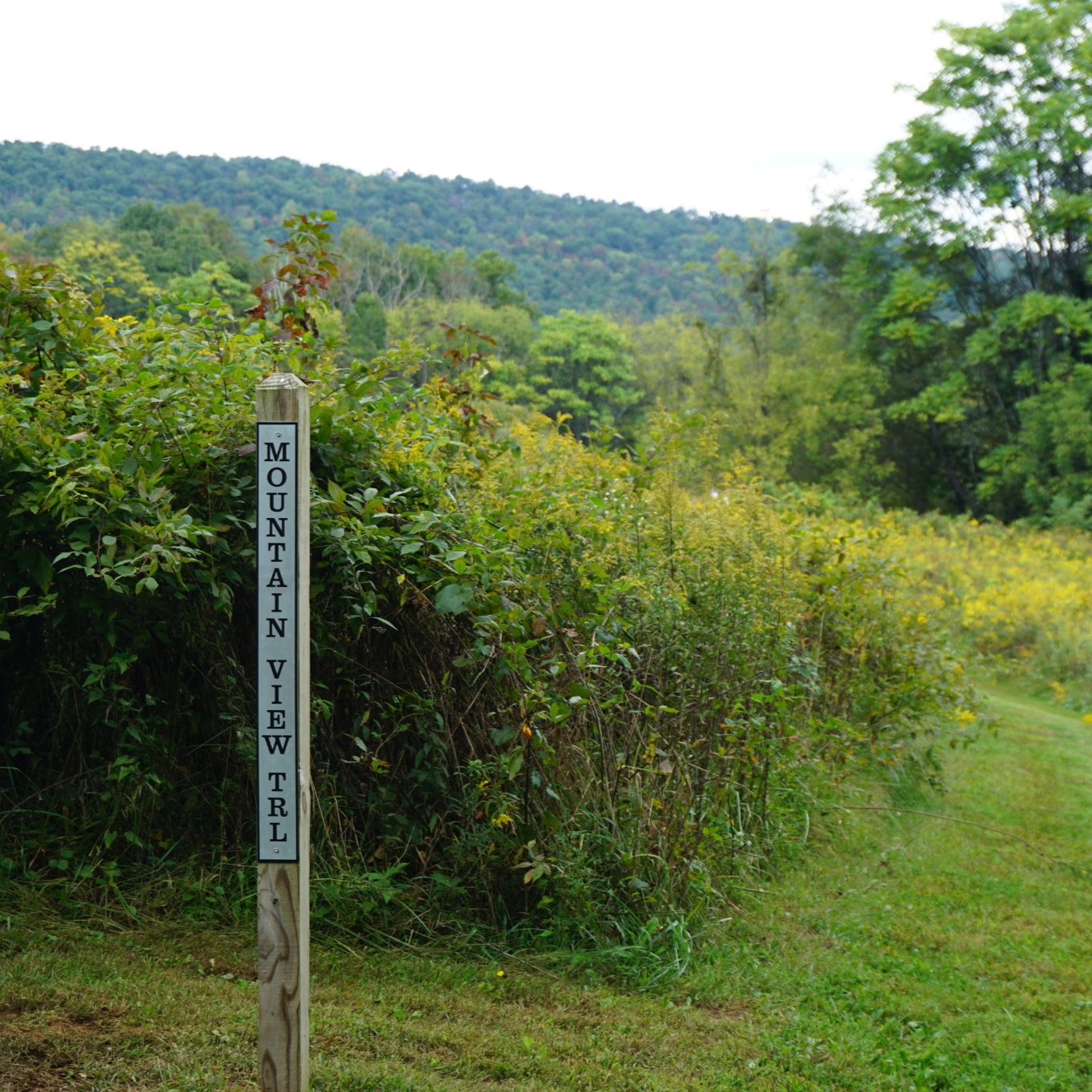
What would a hike be without the view? If you’ve been on an adventure in Shenandoah National Park recently, you’ve probably appreciated the sweeping vistas from high points like Old Rag. But did you know that the land you love to look at is private property?
Protecting recreation and natural beauty is just one of the reasons Potomac Conservancy has been placing the lands of the Potomac River region under permanent protection for over 20 years.
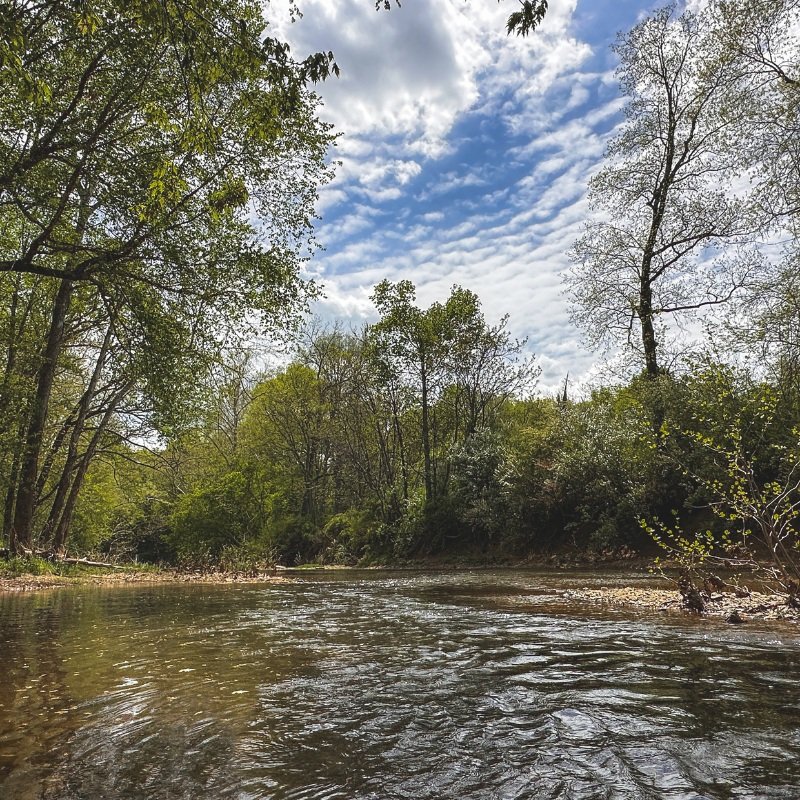
To discover the other reasons why, meet the landowners making it possible, and explore the ecological riches contained within those more than 15,000 acres (from untouched forests to black bears and bat caves), dive into our interactive story map.
Image copyright William MacFarland, MacFarlandPhoto.net
Take action NOW in support of Land Conservation Legislation in Virginia!
Now that you know how vital land protection is to restoring clean water in our region,
help us protect the tool we use to do it.
Join our partners at the Piedmont Environmental Council in speaking up to
preserve the integrity of conservation easements in Virginia.
You May Also Like
Check out Sweet Run State Park, one of Virginia’s newest State Parks located in Loudoun County, VA. Discover the outdoor opportunities Sweet Run has to offer this fall season! Sweet Runs protected by several conservation easement agreements, with nearly 570 acres held by Potomac Conservancy. Experience the natural beauty of conservation by checking out Sweet Run today!
The Potomac River is only as healthy as its surrounding land. Sometimes we need to get our hands dirty for clean water and conservation easement landowners know that song best. But what are they actually worried about and working on? Here are their top 3 concerns.
Our community power protected this 1700-acre property a decade ago. Now our Potomac River region is healthier and more resilient because of this easement. This land is forever preserved for future generations to enjoy and recreate on.
843 acres of pristine forests and freshwater streams are now linked as permanently protected easements in Virginia’s Back Creek Corridor, one of the most biologically significant stretches of the Potomac River region. A central force in this grassroots conservation success story is John Gavitt, the Back Creek landowner who got his neighbors talking about the remarkable legacy they could leave together.
Protecting the land around the Potomac River is critical for its health. We talked with local residents to hear why they think safeguarding the Back Creek region is essential to their community and everyone in the Potomac River watershed.
Good news: the Potomac River region’s tree population just got bigger! We’re tree-ting our river with this major sapling planting in the headwaters. Not only will these trees provide shade when they grow tall, they will also help clean our water!
Our Potomac River region is home for many plants that serve a dual purpose! They aren’t just pretty to look at, they have other important benefits, too!
The key is, we need to protect the land and water they rely on. Without a healthy environment, these plants can’t thrive!
As lifelong West Virginia residents, the Hogbins are growing increasingly concerned about urban sprawl in their community.
Learn how they’ve been working with Potomac Conservancy to take a stand against development.
As a nationally accredited land trust, Potomac Conservancy works closely with the community to protect streamside forests.
As we celebrate our 30th Anniversary, we’re excited to announce a new initiative to form a special conservation corridor in the Shenandoah Valley. Learn more!
Planting new trees is only part of the solution when existing forests are disappearing faster than they can be replaced. Protecting existing forests, strengthening conservation efforts, and expanding restoration projects is needed to get the Potomac closer to an “A.”