
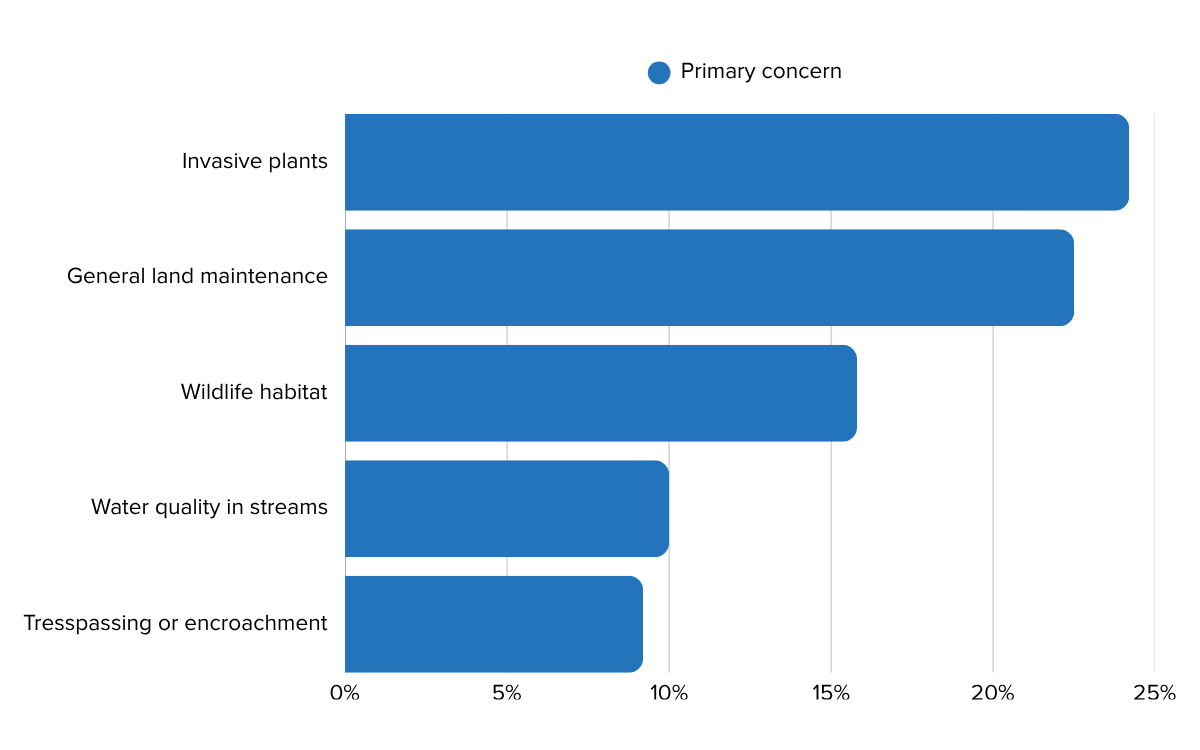
Survey says: The top 3 environmental concerns from our easement owners
/Spotted lantern flies aren’t happy with the #1 answer...
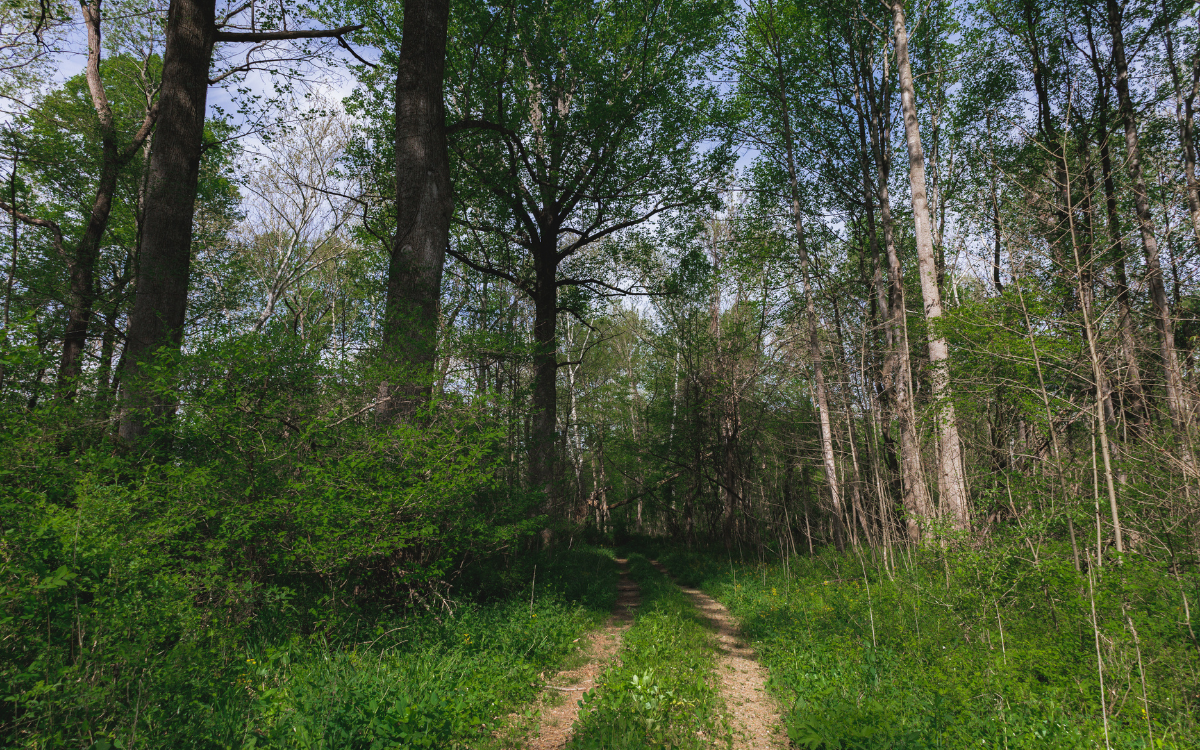
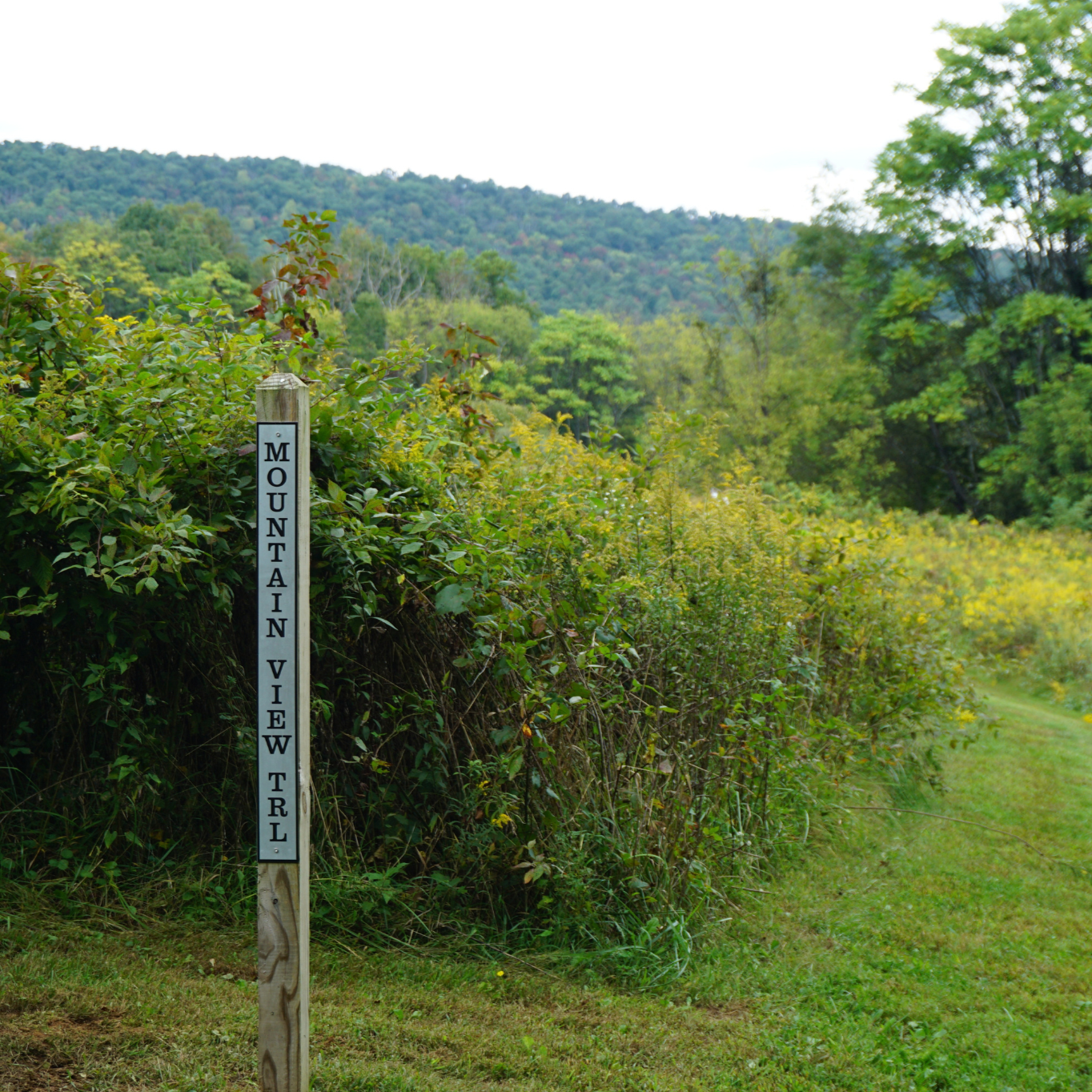
View of trail on conservation easement
Over 30+ years Potomac Conservancy has partnered with landowners across the Potomac River region to protect more than 15,600 acres of land.
Team Potomac knows our local waterways are only as healthy as their surrounding land. That means it is critical to protect as many acres of land as possible in the Potomac’s headwaters. Rapid deforestation and data center sprawl are plaguing our region and leading to more polluted runoff. We’re standing up to permanently protect land to slow down sprawl, reduce polluted runoff, and preserve wildlife habitat.
Our work with these landowners is not a one-and-done deal. Each year, we monitor the easement and work with the landowners to support them and help them ensure working lands are productive and river-friendly. This year, we ran a survey and had landowners rank their biggest concerns. If you’ve seen the amount of spotted lanternflies we had last summer in the region, the top one won’t surprise you.
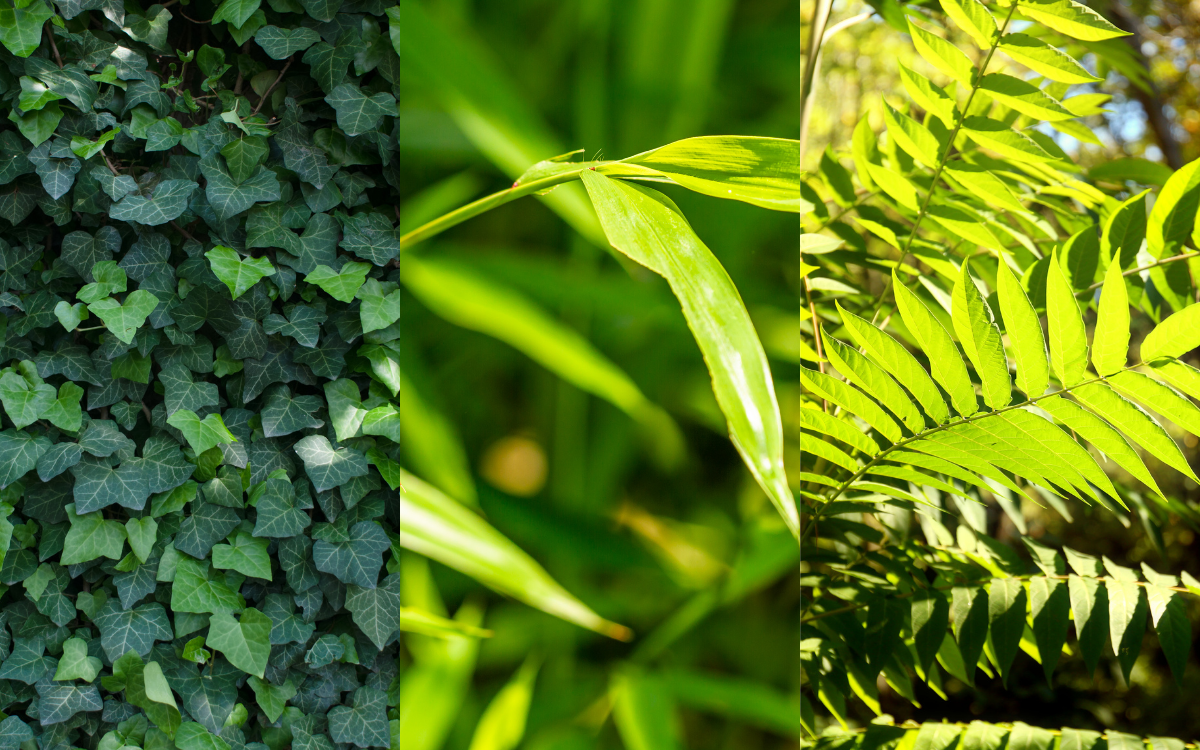
Invasive species: English Ivy, Japanese stiltgrass, and Trees of heaven
What are the top concerns?
Invasive species
Invasive plants, many of which were introduced to our area from elsewhere — other states, countries, or continents — are plants that are harmful to the environment and outcompete our indigenous plants that provide better habitat for wildlife. Plants like English ivy, Japanese stiltgrass, and trees of heaven are so prevalent that they seem native to many of us, but they cause a lot of issues for landowners across the Potomac River region.
One of the biggest culprits are trees of heaven (Ailanthus altissima). Don’t be fooled by their name, they’re one of the worst invasive plants in our region! Because they reproduce extremely quickly, sprout profusely from the roots when the stems are cut, and crowd out native species because of their dense thickets, they’re hard to impossible to control. It also produces and leaks allelopathic chemicals into the soil that are toxic to surrounding plants. Yikes!
The speed at which these invasive plants can spread is tricky for landowners because it requires spotting them early and active management. It isn’t enough to just cut down the tree or plant, the most effective treatment requires manually pulling up all the roots or using herbicides.
Not only do we work with landowners to manage invasive species, but we also champion policy legislation to mitigate the issue. In 2025 we supported HB1941/SB1166. This law will now require stores to include easy-to-see and educational signage that identifies plants as invasives and encourages them to consider native alternatives.
📢 Sign up for action alerts to speak up on laws that matter >>
General maintenance of land
You might say, really? Out of all the issues – general maintenance is a concern? Here’s why:
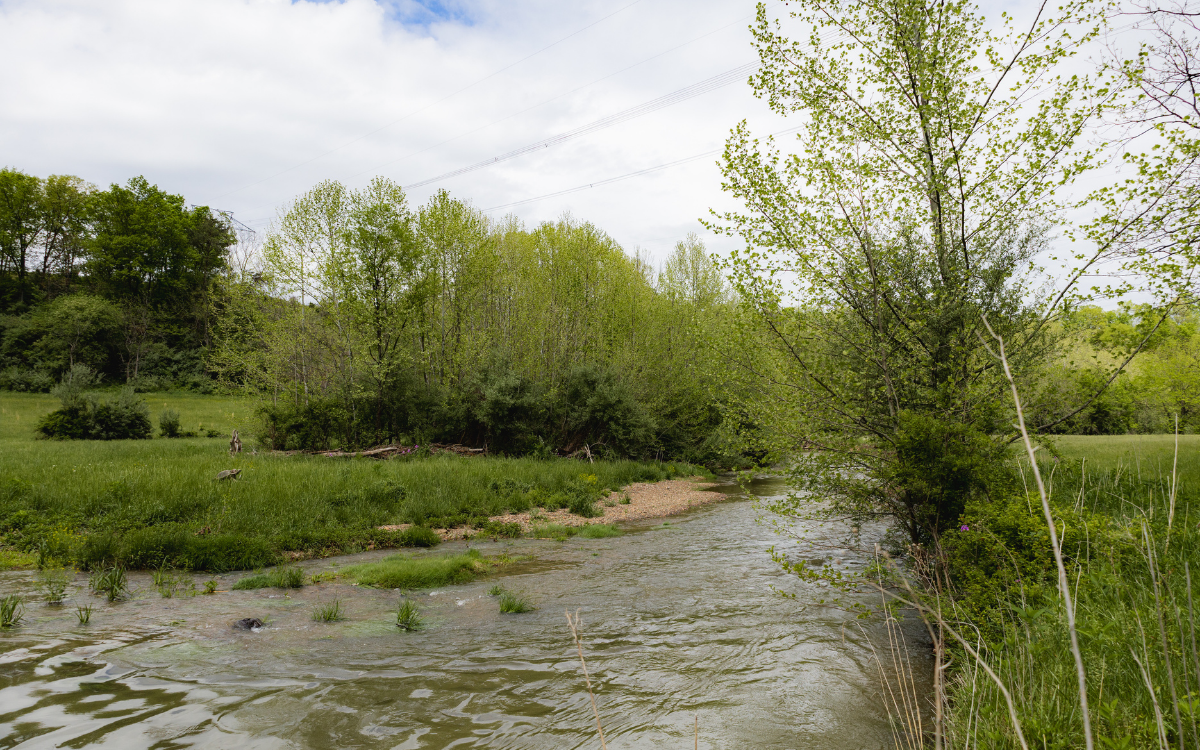
Stream on conservation easement in virginia
While this may not sound as exciting as enjoying the views of sweeping wildflower meadows or watching planted trees grow to maturity, general maintenance is what is required so that these lands remain accessible and structures don't fall into disrepair.
On a common basis, trees continuously blow down into farm and forest roads, fences rot or get crushed by vegetation growth, and time and the elements take their toll on structures built long ago. Plus, caring for grassland and pasture is very challenging when you’re also battling aggressive autumn olive and multiflora rose shrubs that are sprouting up everywhere.
Or have you ever been on a drive in the country and seen an abandoned farm where decaying building and rusted equipment are taken over by vines and trees? Ignoring the general maintenance on a large property are the first step in this unfortunate outcome. Poorly maintained lands are overwhelming to whoever owns them and to our clean water that relies on them.
🗑️ You can maintain our shorelines, too. Sign up for a volunteer cleanup near you >>
Wildlife habitat
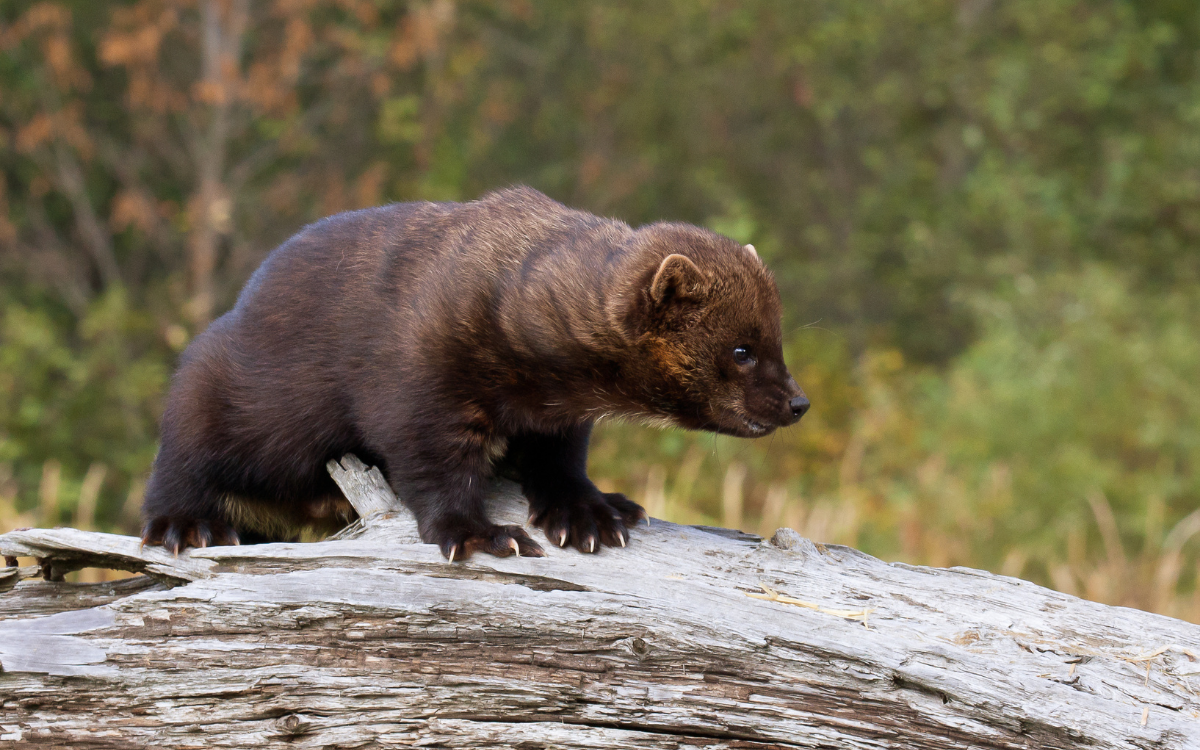
Fisher on a log
We all love the cuddly critters and slimy serpents of the Potomac River region. That means we also must love protecting their habitats! These areas are home to many creatures we don’t see often in the city or suburbs that used to be common in the region, such as minks, turkeys, grassland birds, frogs, and butterflies. Many of these permanently protected lands also safeguard habitat for increasingly rare species such as fishers, grouse, wood turtles, and brook trout!
Wildlife flourishes when there are larger tracts of protected land for them to roam. Potomac Conservancy is working to create a Back Creek Corridor that will become a network of neighboring lands that protect continuous miles of streams and forests.
Every easement owner in the Potomac River region plays an important role in our clean water movement. By permanently protecting land in the headwaters, we’re putting our future first and planning ahead.
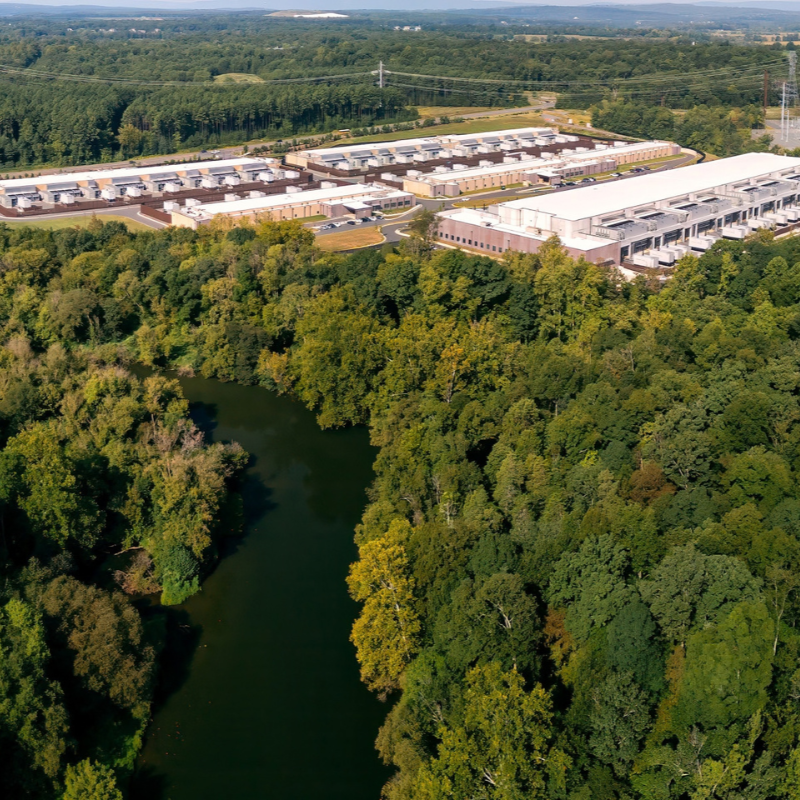
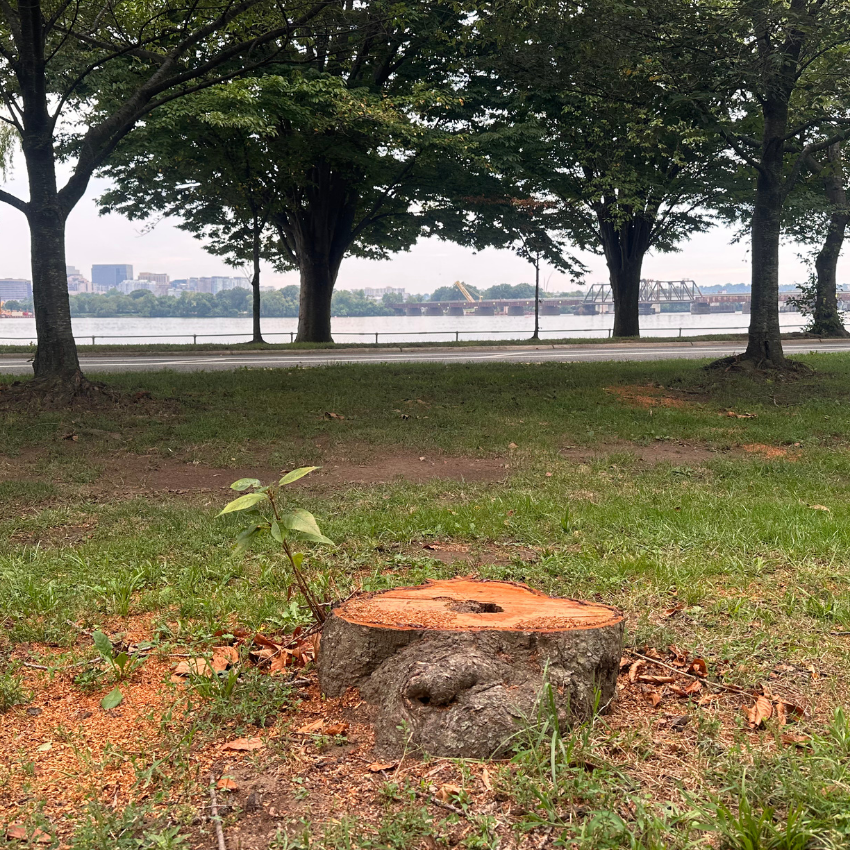


Something sinister is hiding in the forests of the Potomac River region, where invasive pests and disease are quietly killing native hemlock, beech, and ash trees. Their disappearance threatens more than the fall landscape, weakening forests that help prevent erosion, absorb polluted runoff, and protect the Potomac River. This spooky season, learn what is haunting our trees and how you can help protect the forests that keep our river clean.