
Potomac Conservancy responds to Congressional Oversight Hearing on the Potomac Interceptor
/Four months after the largest sewage spill in US history and the biggest question remains unanswered: Why was the pipe allowed to reach catastrophic failure?
Statement from Potomac Conservancy | May 22, 2026
DC Water Board’s decision to remove CEO Gadis
Our systems failed long before the pipe broke
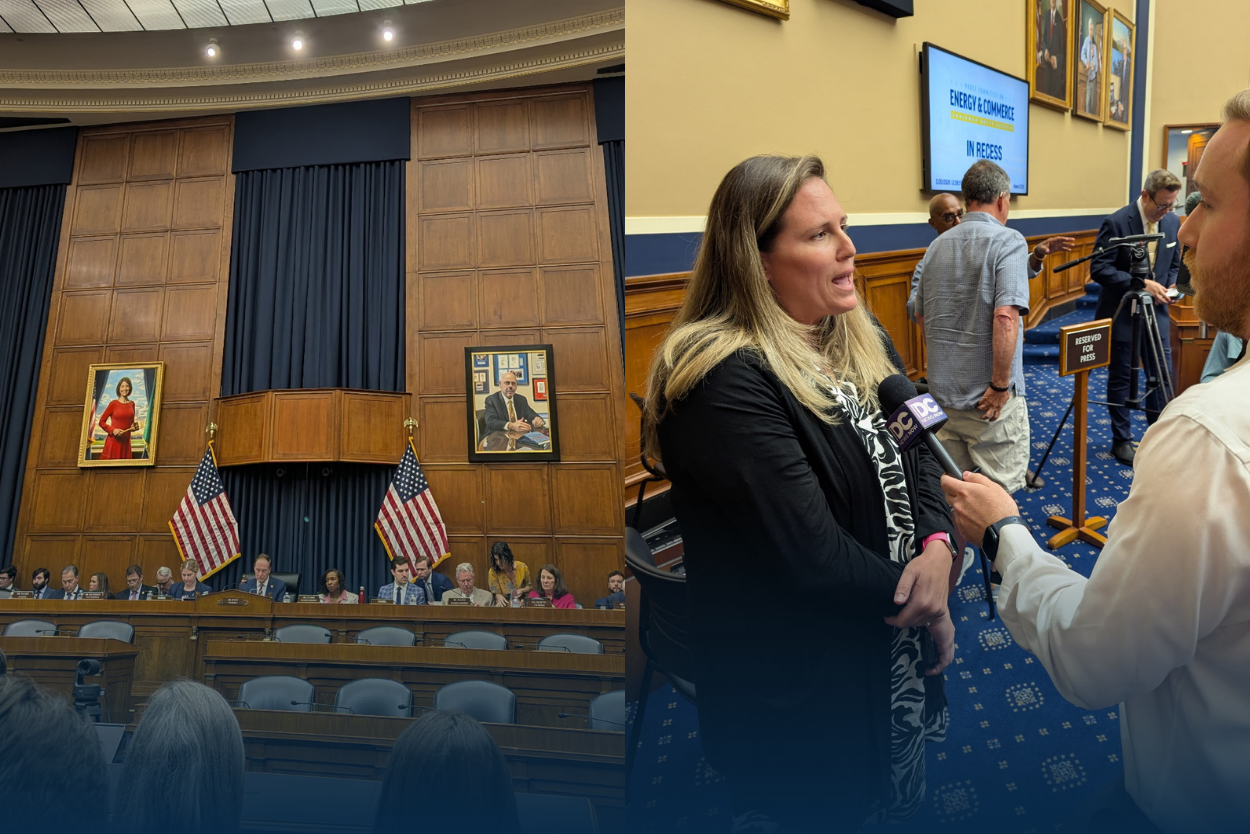
On Wednesday May 20, 2026, leaders from Potomac Conservancy attended a Congressional oversight hearing on the Potomac Interceptor collapse. We heard from those responsible and proudly represented our 42,000 clean water supporters and the millions more who depend on the Potomac River for their drinking water.
New insights were few and far between, but we learned:
The estimated emergency repair costs have increased from $20 million to $60 million
The National Park Service did not approve maintenance permits over an 8-year window of time.
DC Water still does not know what caused the pipe to collapse; its investigations are ongoing.
Following land surveys of the pipe, there are three new high-priority areas of concern. DC Water did not disclose their locations.
Existing weaknesses in the pipe pose risks to the Potomac River and the drinking water intakes at Great Falls and Little Falls.
While the hearing revealed few answers, one thing is painfully clear: DC Water and federal agency leaders are congratulating themselves while avoiding responsibility for the deeper failures that allowed one of the nation’s worst wastewater disasters to unfold on the Potomac River.
Testimony from DC Water, the U.S. EPA, the National Park Service, and other agencies described coordinated emergency response efforts and remediation progress but could not identify any missteps that led to the collapse. This was a preventable environmental disaster. After four months, we still do not know what must change to prevent it from happening again.
The biggest unanswered question remains: Why was the pipe allowed to reach catastrophic failure?
Despite hours of testimony, there was still no clear explanation for:
Why imminent infrastructure failure was not fully understood.
Why repair plans were not approved for 8 years.
Why emergency declarations took so long.
Why agencies failed to act with urgency before the collapse.
Why long-term restoration planning is not being prioritized.
The Potomac Interceptor pipe did not collapse because it was old or surrounded by boulders, the same excuses we’ve heard from DC Water from the start. This incident was caused by a complete failure of leadership and urgency around our public water safety.
Furthermore, we’re disturbed by EPA Assistant Administrator Kramer’s characterization that the Potomac River has been restored to pre-spill conditions. That is in direct contrast to public health advisories that caution against touching shorelines at and downstream from the spill site and recent sediment testing results by the Maryland Department of the Environment which indicate heightened levels of E. coli present in sediment a half mile downstream at Minnie’s Island.
Our community deserves answers about the systemic failures that allowed critical infrastructure to deteriorate to the point of collapse in the first place. There can be no assurance of water safety without understanding why leaders failed to prevent a catastrophic infrastructure failure on a pipe that could very well break again.
Through transparency and a full accounting, we can correct course with a clear plan to prevent future failures, address necessary repairs on National Park Service land, invest in long overdue water infrastructure, and develop a long-term restoration strategy for the Potomac River.
DC Water’s Mr. Gadis testified that the community was satisfied by their remediation efforts to date. We know the truth: Four months after the spill began, public trust has still not been restored.
Potomac Conservancy and the CLEAR Potomac coalition continue to call for transparency, accountability, and action. Together, we’re fighting for an independent investigation free from political influence, sustained water quality testing through the summer and fall, and a credible long term restoration plan for the Potomac River, its wildlife, and the communities that depend on it.
Potomac River Recovery Fund
Help us keep the pressure on those responsible to protect and restore the health of the Potomac River.
Support Potomac Conservancy and help our CLEAR Potomac alliance fight for accountability, critical infrastructure improvements, and the long-term health of the Potomac River.
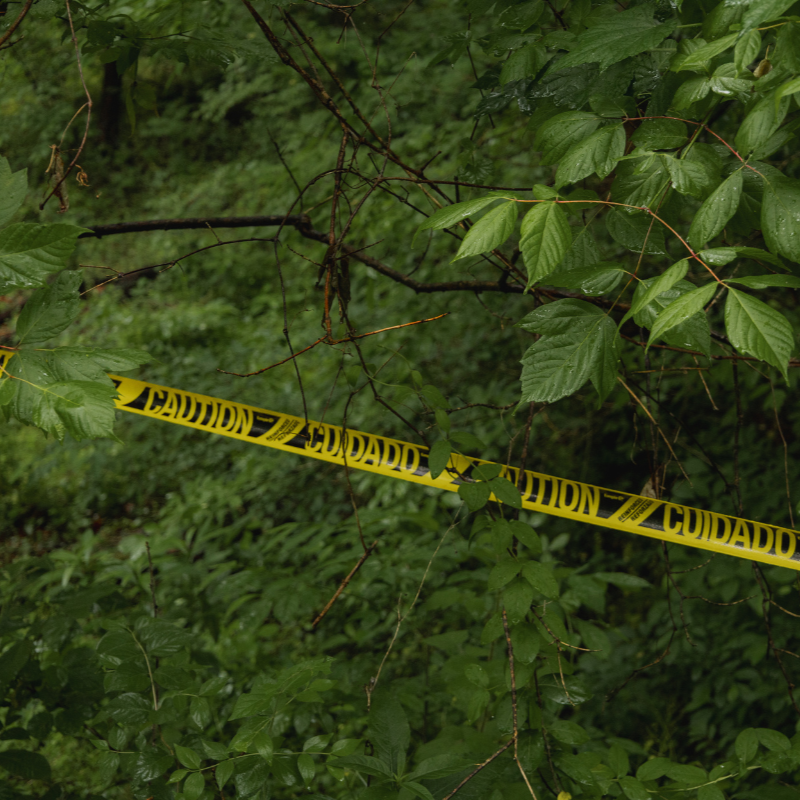
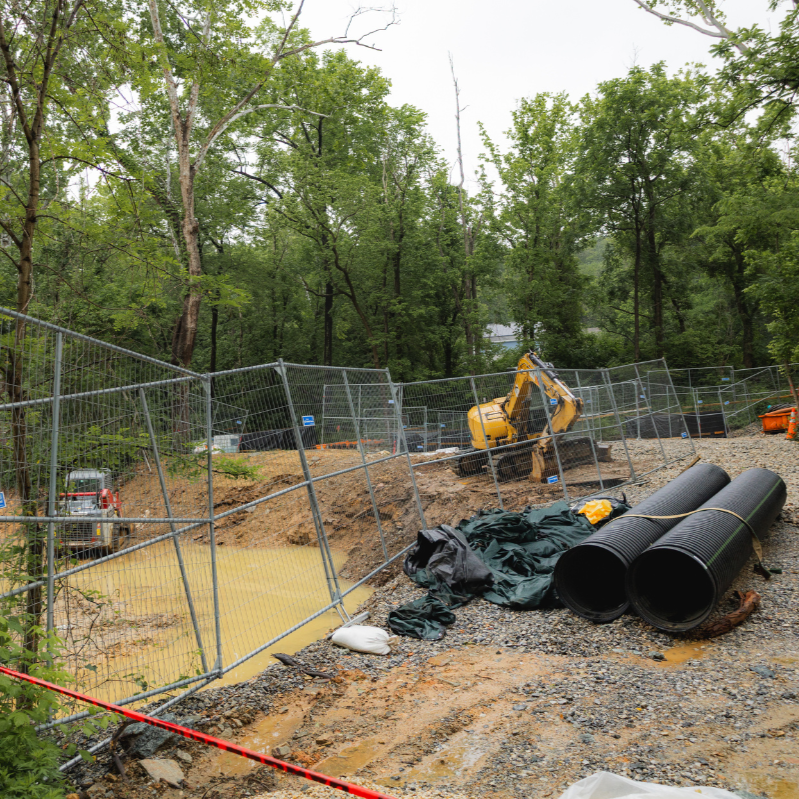


What you need to know about the January 2026 Potomac Interceptor sewage spill and how you can demand accountability and action.