
An invisible threat is jeopardizing the health of the Potomac River - but we’re taking action
/Take a deep dive with us to understand how PFAS saturated our waterways, the risks to our health, and what we can do to fight back
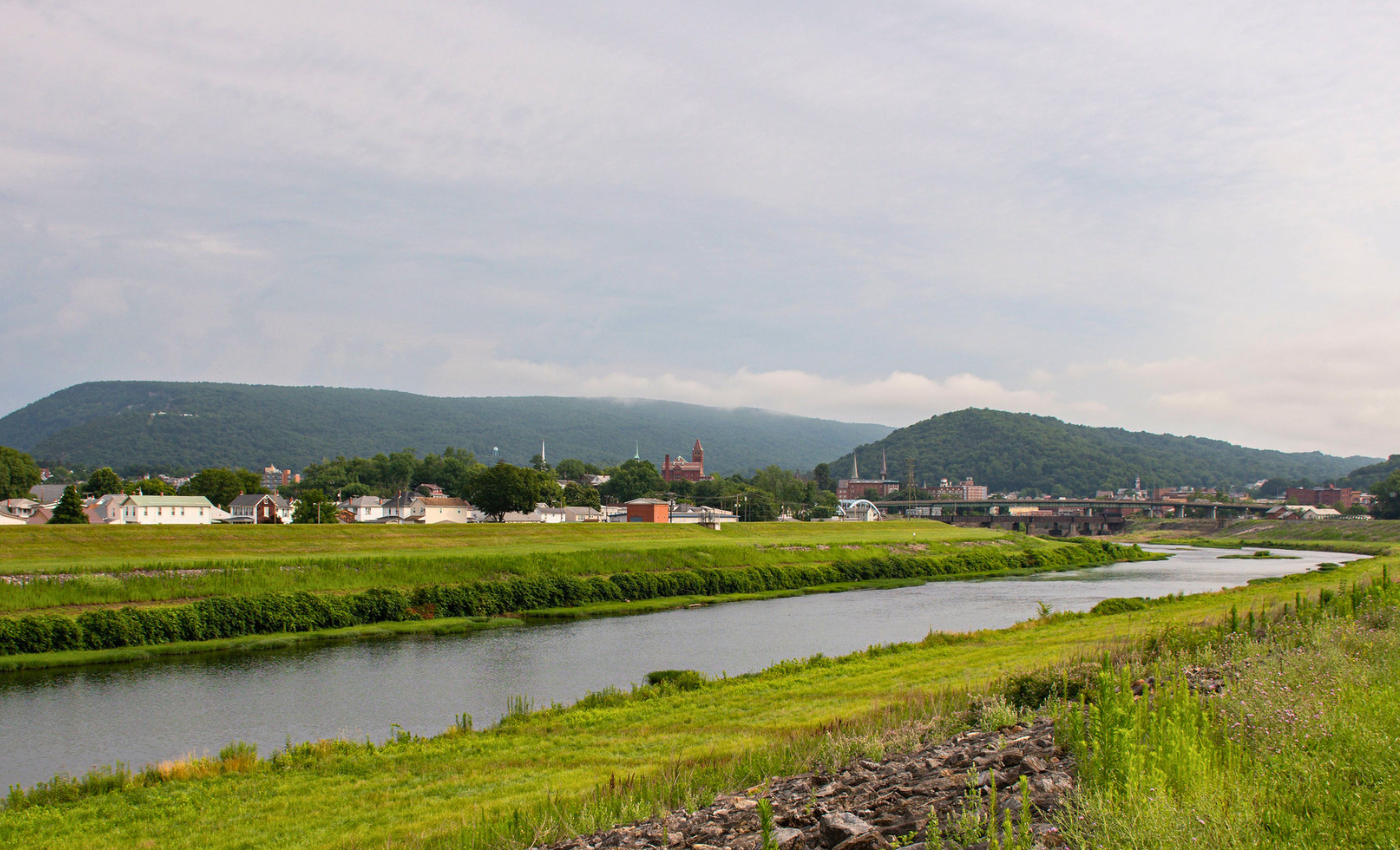
The Potomac at Cumberland, MD, one of the locations found by USGS to contain excessive PFAS in water samples - photo credit: MArk levisay via flickr
For the first time in decades, the health of the Potomac River is a topic of national interest. The recent sewage spill has sparked crucial conversations about how to ensure long-term resilience for the Nation’s River and all who depend upon it. But beneath the surface, a quiet but insidious threat troubles our waters, lands, and wildlife.
As we welcome Earth Month, we’re taking a deep dive to better understand forever chemicals - one of the most pernicious forms of ecological damage affecting our region - and what we can do to protect the wellbeing of our communities.
The problem with PFAS: a primer
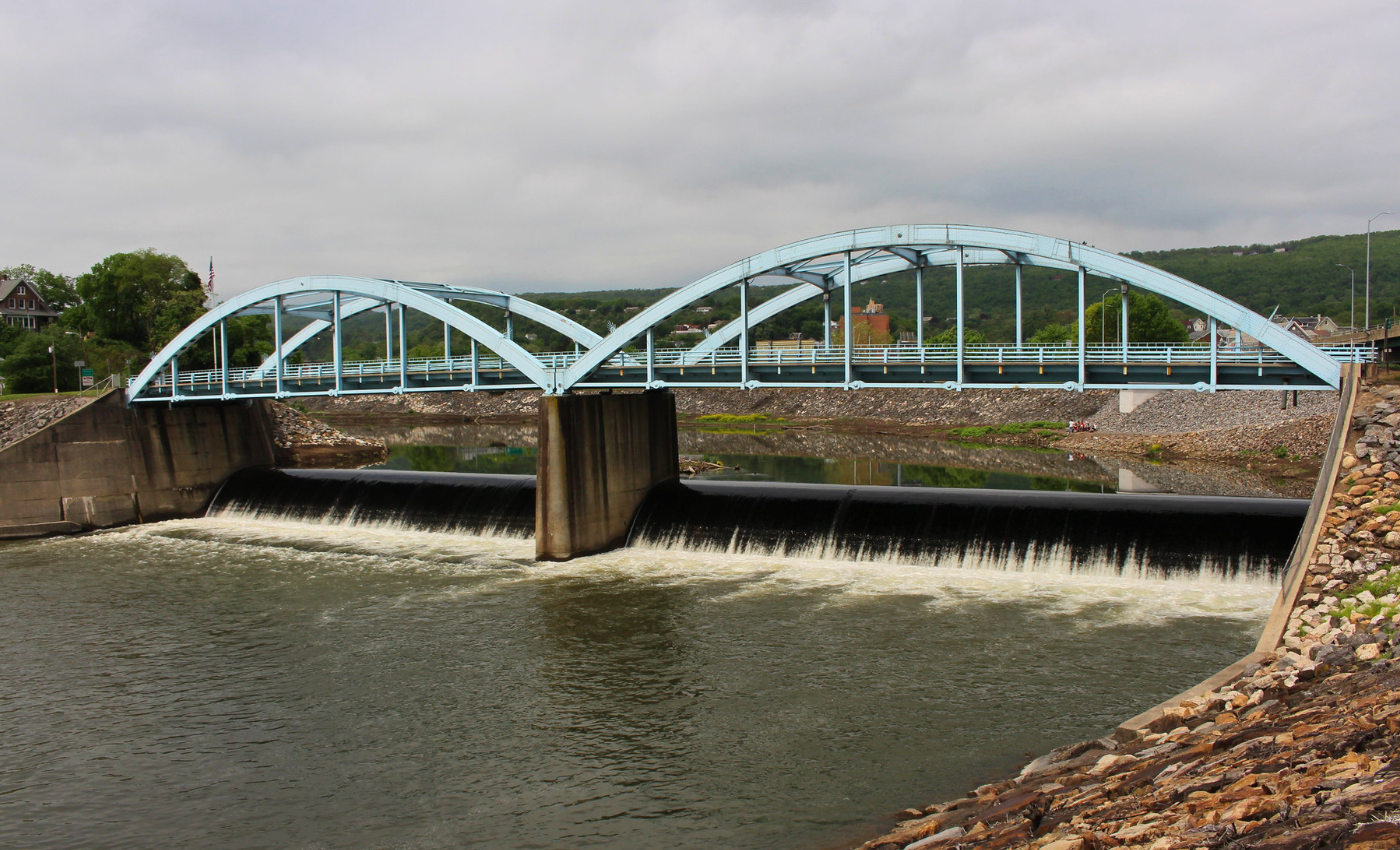
Blue Bridge, Cumberland, MD, Photo credit: jospeh via flickr
Forever chemicals may have shifted from a niche environmental concern to a public health buzzword over the past two decades, but many of us still have a shaky grasp on just what they are – and not without reason. PFAS are vast and complicated, and researchers are only just uncovering the full breadth of their impact.
The basics: Per- and polyfluoroalkyl substances are a family of thousands of chemical bonds with water repellant and friction-reducing properties, making them especially useful in the production of consumer goods, commercial products, and industrial supplies.
Where they’re found: Your raincoat, your car, your kitchen pantry… PFAS are ubiquitous in making everything from sheet metal and flame retardant to dental floss and food packaging.
When they emerged: PFAS were commercially introduced with the production of non-stick cookware in the late 1930s. If you’ve heard of Teflon, you’ve already met PFAS.
Like microplastics, these substances take hundreds or thousands of years to degrade, accumulating in the body once ingested through food, drink, or inhalation. Growing evidence suggests that this may result in serious consequences for human and animal life, from liver damage and fertility issues to cancer.
Forever chemicals in the Potomac River
According to a recent Waterkeeper Alliance study, 98% of U.S. waterways included in their testing sites were contaminated with PFAS. The Potomac River and its tributaries are not immune from the encroachment of forever chemicals, and a host of agencies have launched extensive monitoring projects to determine the sources and saturation of contamination across the watershed.
Wildlife and outdoor recreation are feeling the negative ripple effects, too: Regional health agencies and advocacy groups have begun issuing consumption advisories for fish caught in local waters, highlighting the declining health of channel catfish, carp, and other species.

Fisherman at a pfsa risk site in cumberland, MD. Photo credit: Elanie via flickr
Last year’s Potomac River Report Card explored how degraded water habitats are already burdening our native fish populations. Restoring balanced ecosystems and healthy wildlife in the Potomac region requires an appreciation for how these and other threats intersect.
We can’t let PFAS go with the flow - the future of our communities, critters, and drinking water depends on it!
Unfortunately, reducing your exposure to forever chemicals isn’t as simple as ditching single-use plastics or springing for that home water filter upgrade. The most effective action we can take is to make our voices heard, pushing for stringent regulation of PFAS at both the state and national level. But to motivate that long, hard fight, it can help to see a cleaner world emerge before your very eyes.
This Earth Month, we invite you to join us at a community cleanup event and get your hands dirty for clean water. Working together like-minded nature lovers to take PFAS-containing trash out of our waters and shorelines, we bet you’ll feel proud to fight for a healthy, thriving Potomac River.
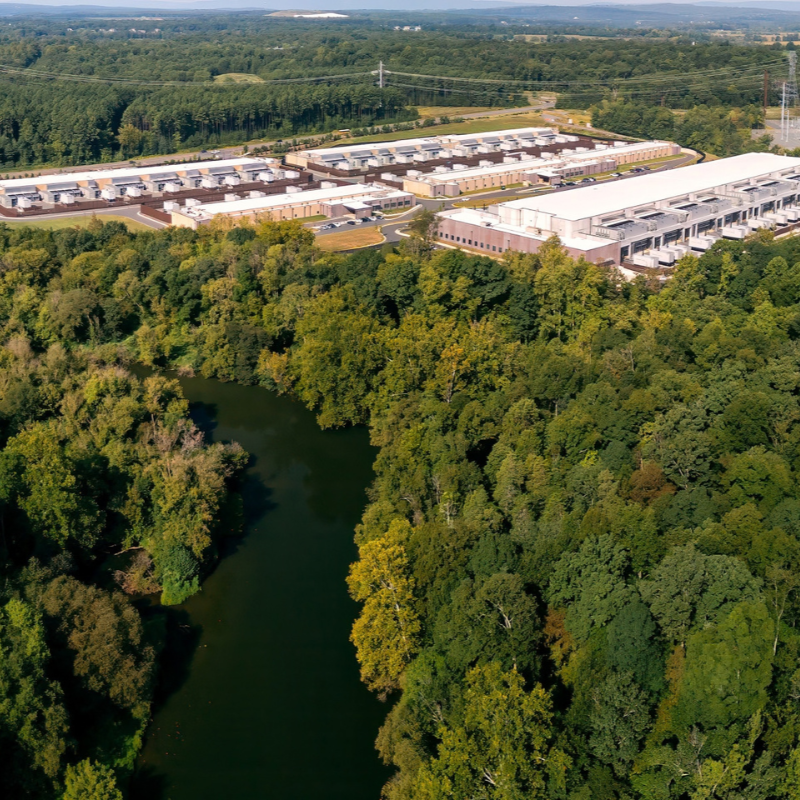



Something sinister is hiding in the forests of the Potomac River region, where invasive pests and disease are quietly killing native hemlock, beech, and ash trees. Their disappearance threatens more than the fall landscape, weakening forests that help prevent erosion, absorb polluted runoff, and protect the Potomac River. This spooky season, learn what is haunting our trees and how you can help protect the forests that keep our river clean.