
Speak up: Tell DC Water to clean up its sewage mess with stronger restoration plans
/Potomac Conservancy calls on the public to submit comments by March 31 to amplify our demands for a stronger river clean-up response
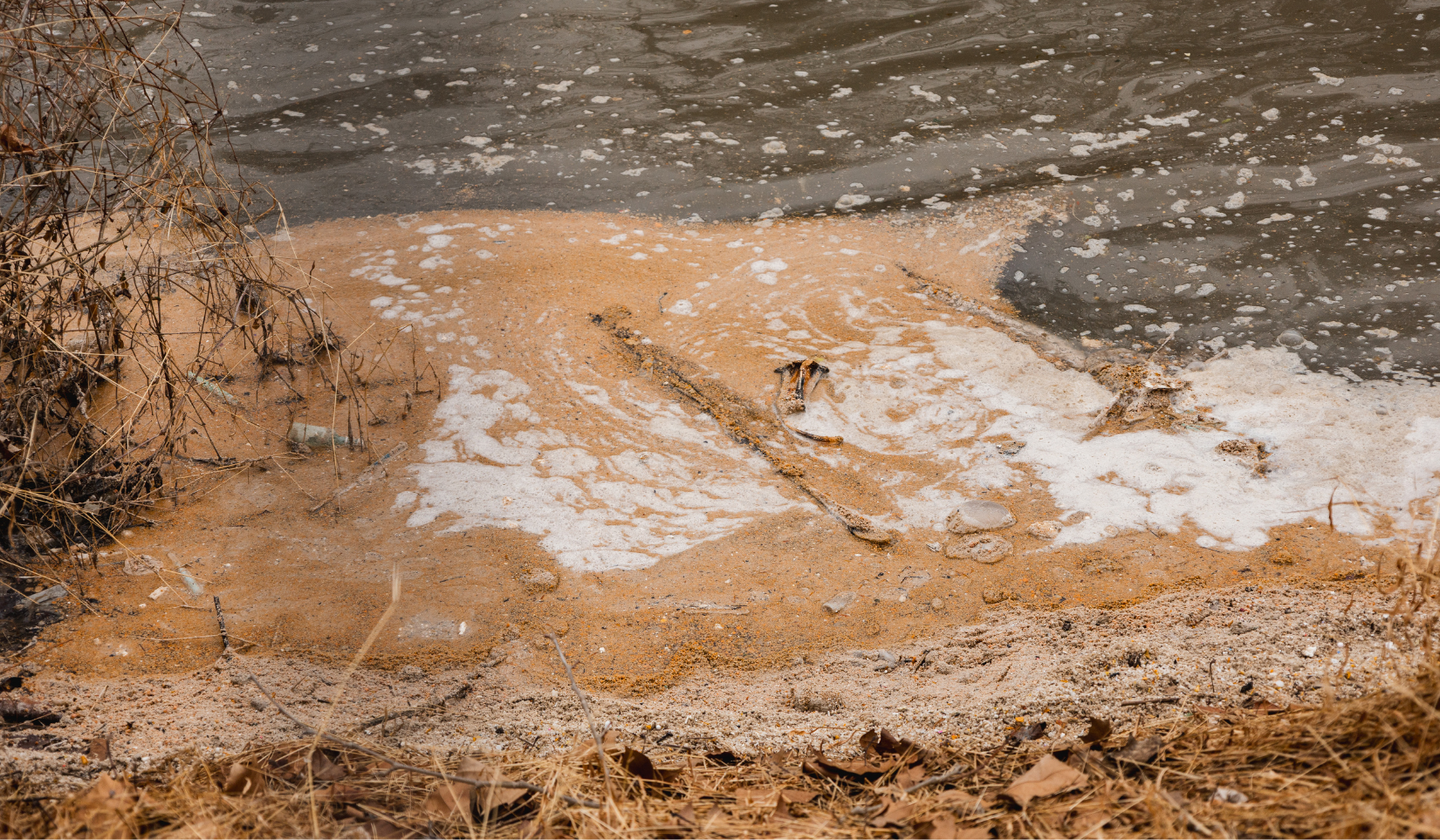
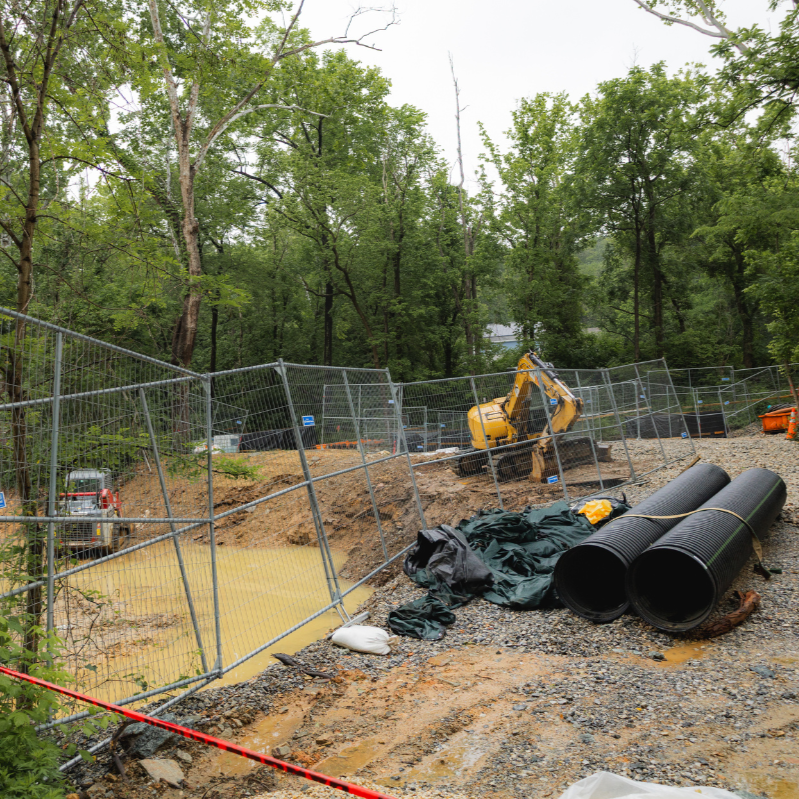
Taken in march 2026
DC Water is accepting public comments on its restoration plans following the January 19, 2026 Potomac Interceptor sewage spill. Potomac Conservancy called on DC Water to develop rehabilitation plans in collaboration with the public and environmental community in our February 9 sign-on letter, during meetings with their representatives, and in our March 2 statement.
Potomac Conservancy does not believe the current plans go nearly far enough to address contaminated habitats or fully restore the health of the Potomac River.
On March 17, 2026, we submitted the following comments to DC Water calling for a stronger and more comprehensive clean-up effort to restore the Potomac River and the public’s trust in our water safety. You can take action by submitting your own comment by March 31, 2026.
Our submission: Potomac Conservancy welcomes the progress represented by DC Water’s rehabilitation plan and the federal permit allowing restoration work to move forward in the C&O Canal National Historical Park. Stabilizing the collapse site and beginning environmental restoration are important first steps.
The scale of this sewage release into the Potomac River and surrounding lands, however, requires a broader response that goes beyond typical site stabilization.
The restoration work outlined so far represents an important starting point, but it should be understood as the beginning of the recovery process rather than the full scope of what may ultimately be required. The true ecological impacts of a spill of this magnitude will only become clear through comprehensive monitoring and biological surveys conducted on a regular basis.
Potomac Conservancy calls for several additional actions to ensure a full ecological recovery on a watershed scale.
Comprehensive Ecological Monitoring
The current plan focuses primarily on stabilizing the collapse site and restoring immediately impacted areas. Spills of this magnitude, however, can have complex ecological effects that unfold over time.
A multi-year ecological monitoring program is needed to fully understand impacts to the river system. Monitoring should include fish population surveys, benthic macroinvertebrate monitoring, sediment contamination analysis, continued bacteria and nutrient testing following storm events, and assessments of wetland and riparian vegetation recovery.
Water quality samples alone cannot fully measure ecological recovery. Biological monitoring is necessary to determine how aquatic species and habitats were affected.
Restoration That Responds to the Science and Prioritizes Nature-Based Solutions
Restoration must remain adaptive and responsive to scientific findings as monitoring progresses.
Current plans focus primarily on restoration at the collapse site and immediately adjacent areas but biological monitoring and sediment testing may reveal impacts extending beyond the currently identified restoration zones.
If monitoring identifies broader ecological damage, the scale of restoration will need to expand accordingly. Watershed-scale restoration including green infrastructure like riparian forest planting, wetland restoration, and stream rehabilitation, may ultimately be necessary to fully compensate for ecological impacts from the spill.
Transparency and Public Accountability
Because the Potomac River is a shared public resource and a drinking water source for millions of people, transparent communication is essential.
Communities should have access to monitoring data, restoration updates, and meaningful opportunities to engage in decisions affecting the river. We support regular public reporting of monitoring results, ongoing stakeholder briefings, and mechanisms for community and environmental stakeholder input during the restoration process.
Restoring the immediate damage caused by the collapse is essential, but ensuring full ecological recovery will require a broader commitment to science-based, watershed-scale restoration, as well as transparency and active community engagement. We hope DC Water and government agency partners view these plans as the first step in a larger scale restoration effort that matches the scale and scope of this unprecedented environmental disaster.
Potomac Conservancy’s team is continuing to fight for accountability through direct engagement with DC Water and public officials. We’re leading a growing alliance of local, regional, and national environmental and public health groups for a strong, coordinated response to the country’s largest sewage spill.
Support Potomac Conservancy’s work as we restore the Potomac River’s health and the community’s trust in our region’s water safety.
Submit YOUR comment to DC Water!
Help us call on DC Water for a stronger clean-up plan. Use our suggested text and submit your comment by March 31, 2026.
With the media?
Contact Alyssa Murray at murray@potomac.org
You May Also Like:
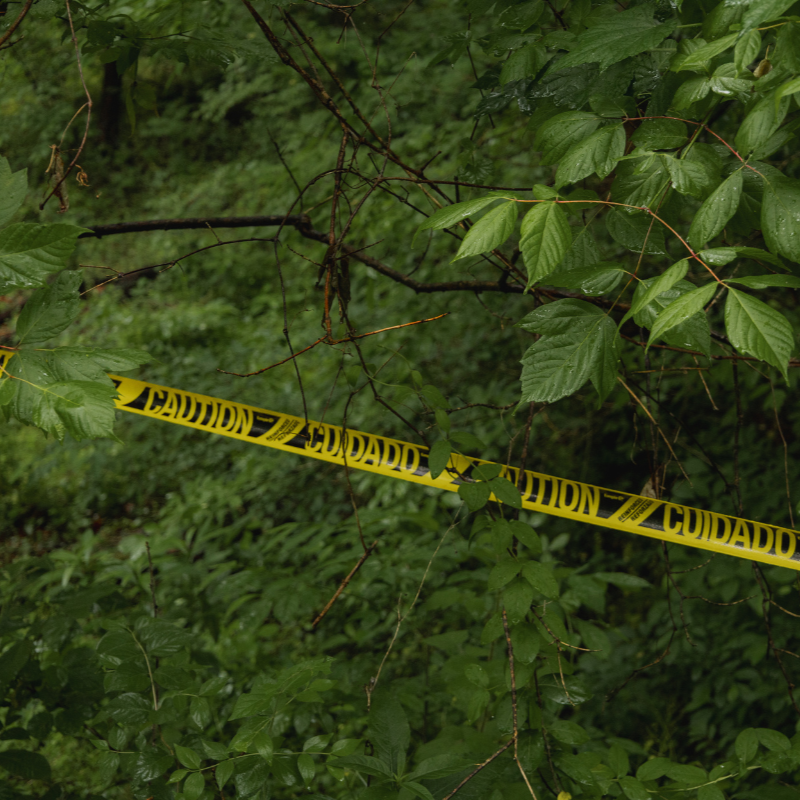


What you need to know about the January 2026 Potomac Interceptor sewage spill and how you can demand accountability and action.