
This slow and steady critter stole our hearts! Meet your 2026 Potomac Critter of the Year
/This small critter plays a mighty big role in our Potomac River region’s ecosystem.
Watts CC BY-SA 2.0 via flickr
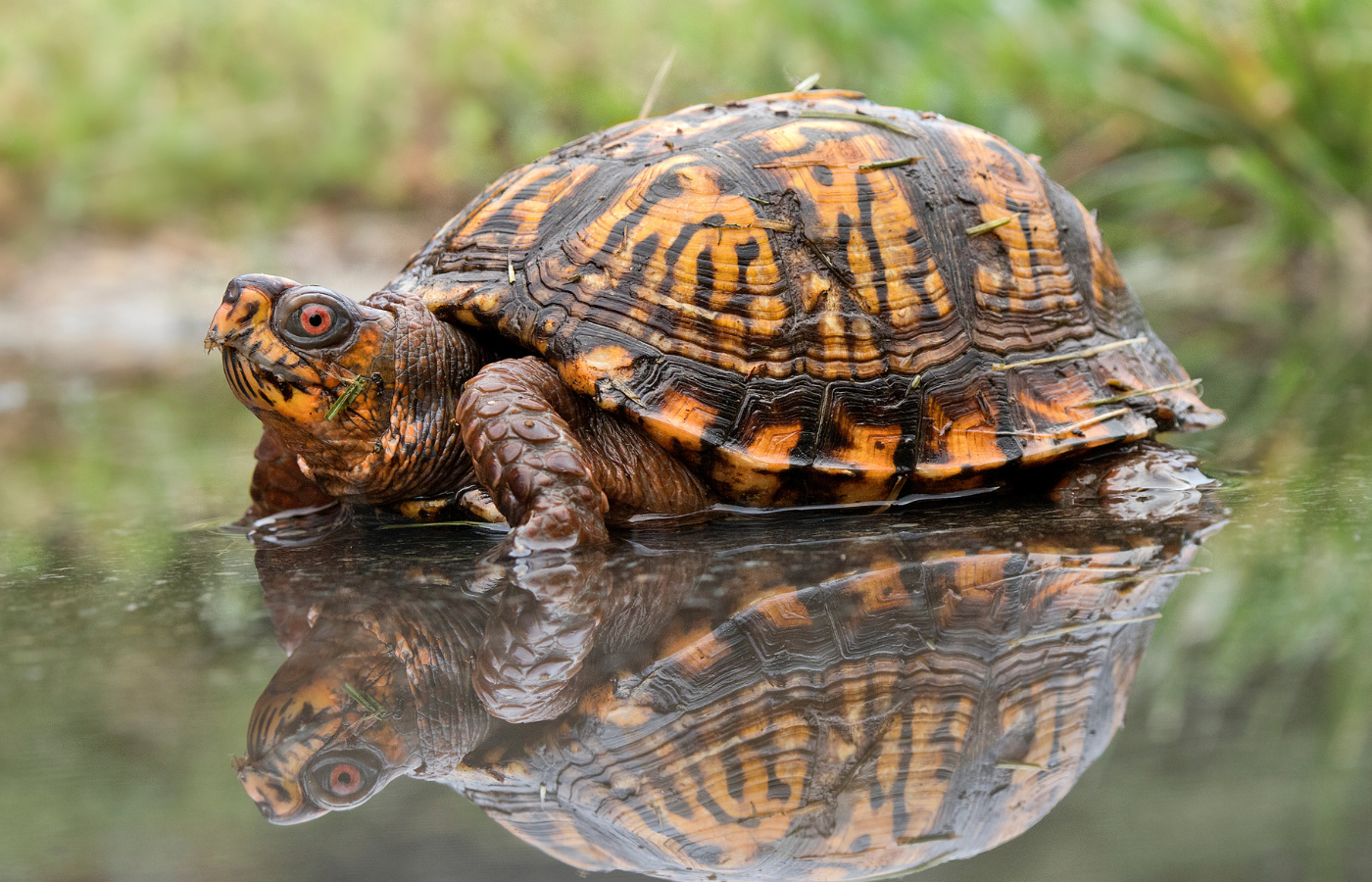
Our March Wildness champion has been crowned! Bernie, the eastern box turtle, is the Potomac River 2026 Critter of the Year!
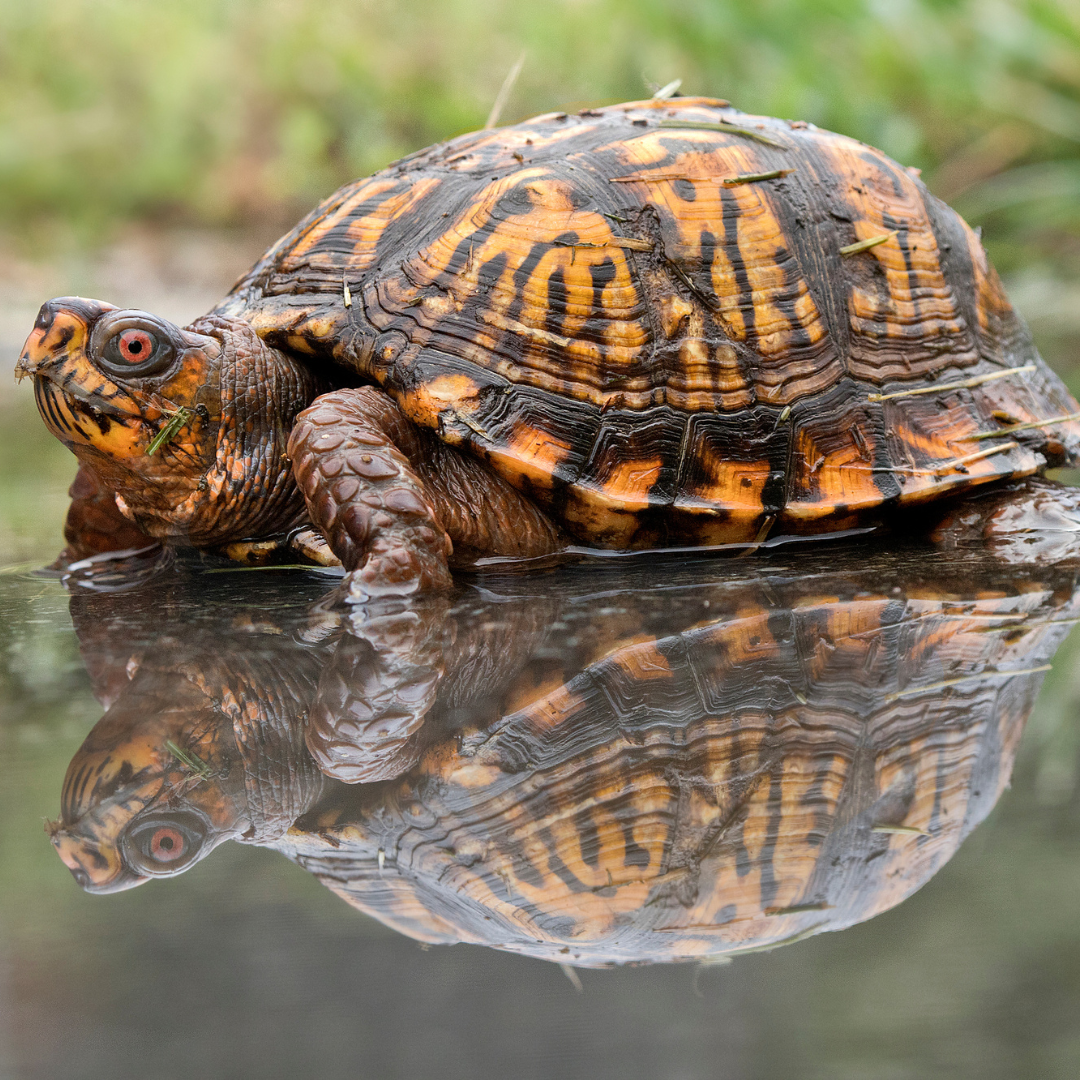
This critter is a forest reptile found across the eastern United States. Known for its dome-shaped shell and its ability to fully “box” itself in for protection, this turtle is a quiet but important part of healthy woodlands.
‘Out of the box’ eastern box turtle fun facts
Behavior and appearance
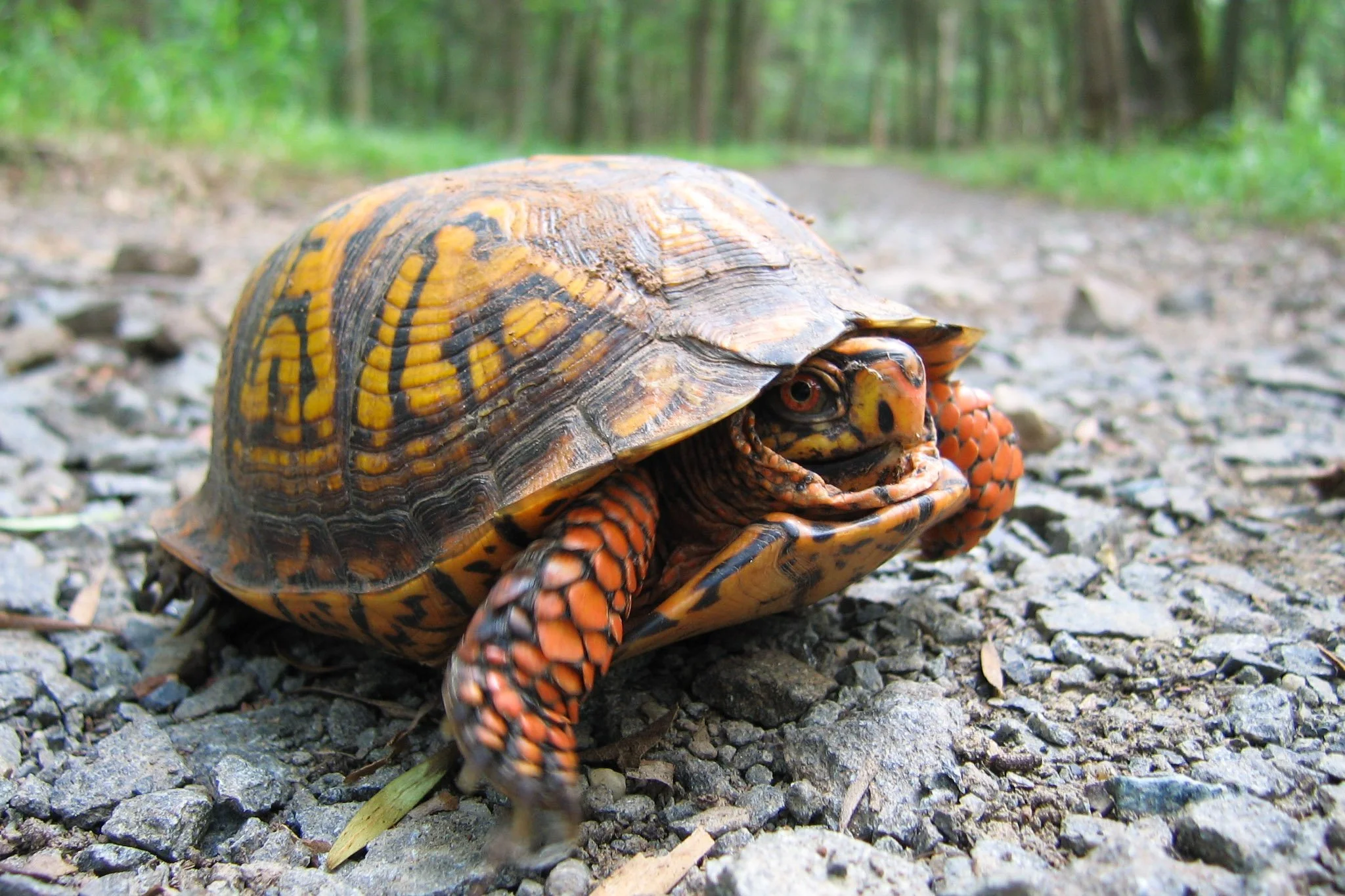
The Eastern box turtle is easy to recognize by its high, rounded shell, often marked with yellow, orange, or brown patterns. Each turtle has a unique design, almost like a fingerprint.
Its hinged lower shell allows it to close up completely when threatened, sealing itself inside for protection from critters like foxes, raccoons, crows and more.
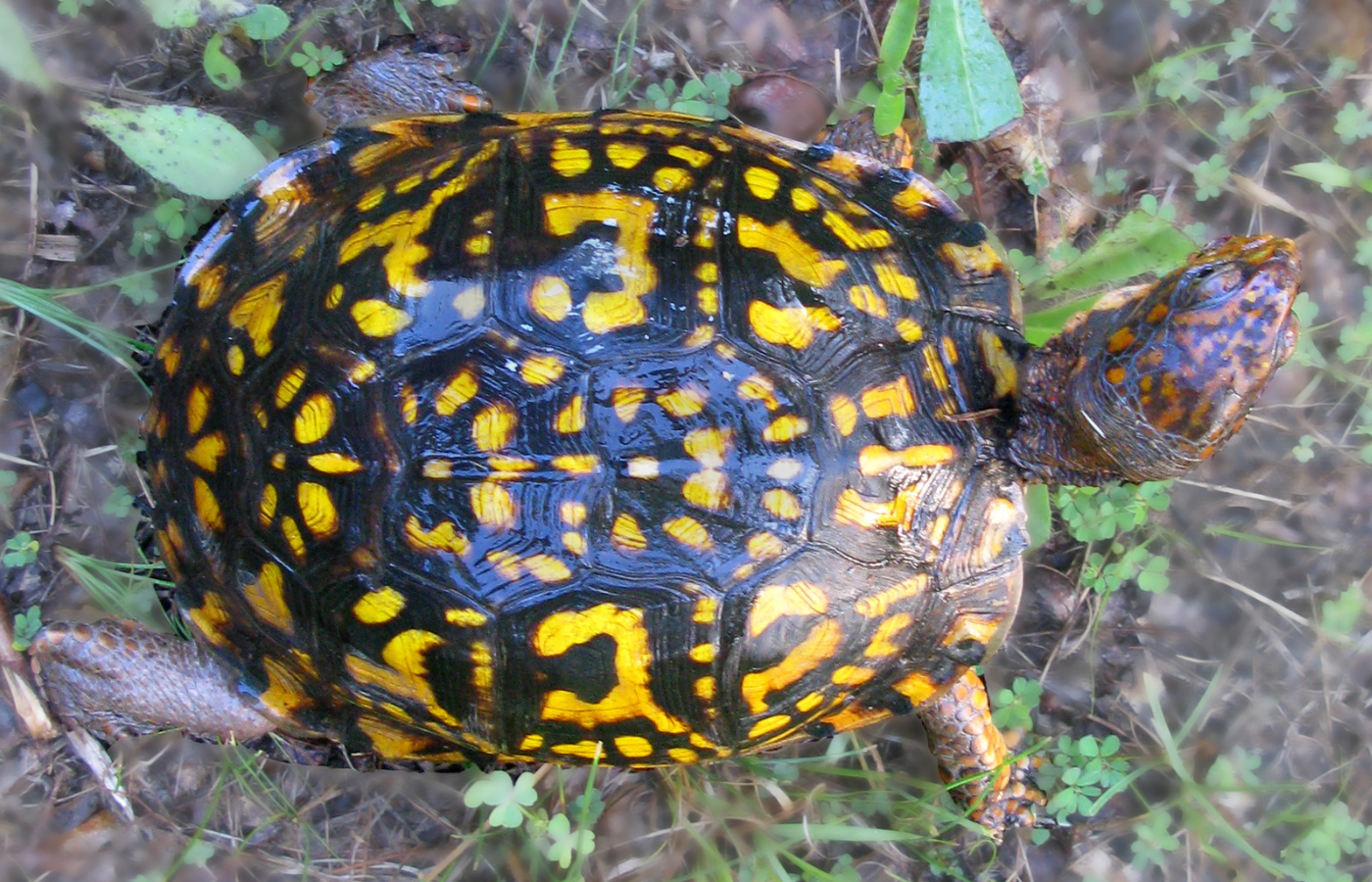
Sandra Richard CC-BY SA 2.0 via flickr
This species is known for slow, deliberate movement and mostly solitary behavior. When they kick it into high gear, they can go .25 mph, which is about 4 hours for 1 mile. So, they spend much of their time hidden in leaf litter or lightly burrowed into soil.
During winter, they brumate underground, into soft soil, mud, or leaf litter to survive cold temperatures. Brumation is different from hibernation. Instead of a deep, continuous sleep, box turtles enter a state of dormancy where they occasionally wake up, especially during warmer spells, before settling back down again. Just like many humans, box turtles thrive and become most active in warm, humid conditions and may even wade into shallow water despite being a land turtle!
Habitat and lifestyle
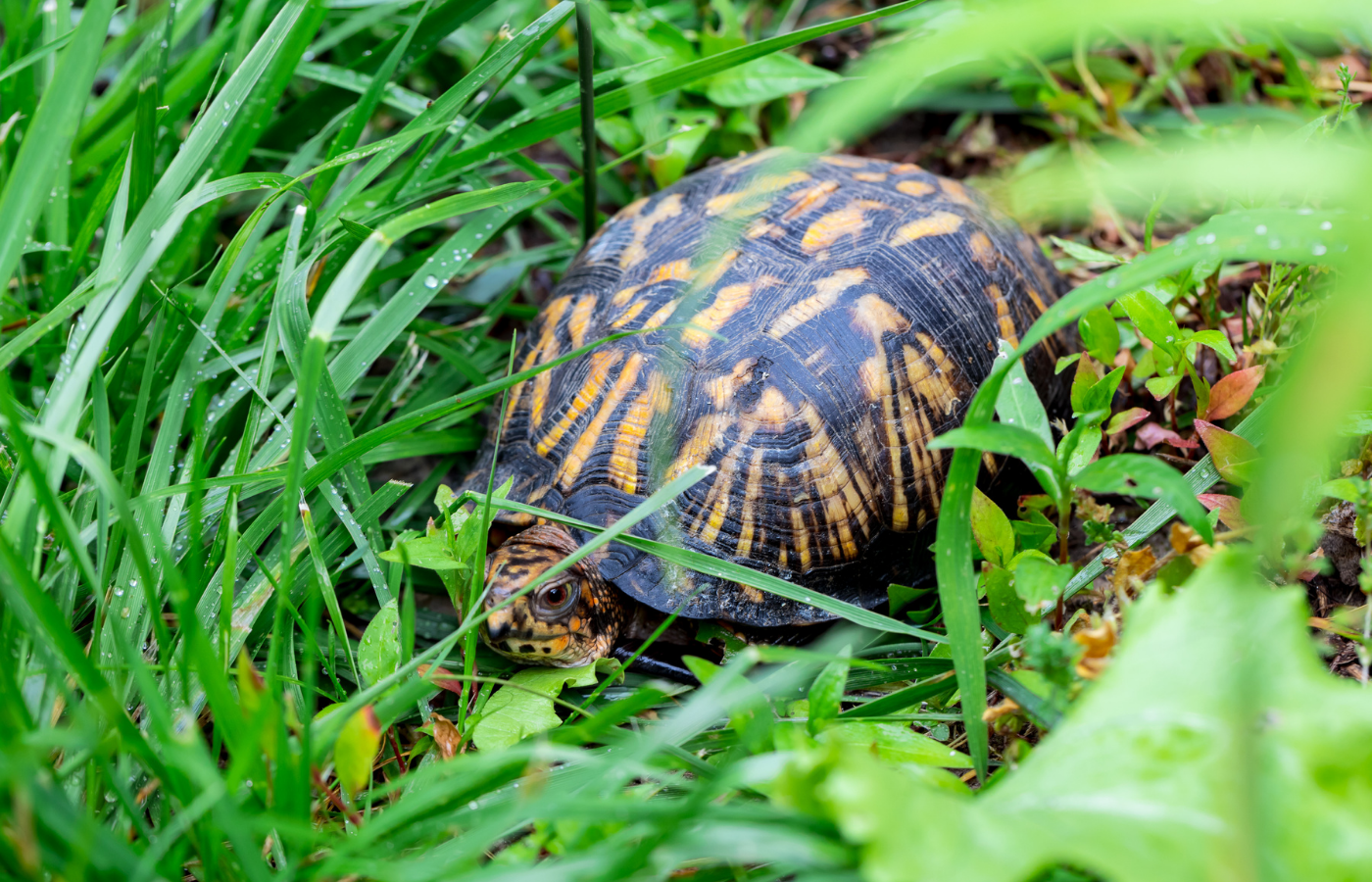
Eastern box turtles are found in hardwood and mixed forests, as well as forest edges and nearby meadows. They also live in marshy or damp grassy areas and can sometimes be found in suburban spaces that still offer natural cover.
They prefer moist environments with plenty of leaf litter and soft, loose soil. These conditions provide both shelter and access to food.
Kelly Verdeck CC BY-SA 2.0
What gives the box turtle fuel
Doug Letterman CC BY- SA 2.0
Eastern box turtles eat a wide variety of foods, including earthworms, slugs, snails, and insects. Yum! They also feed on fungi, mushrooms, berries, and fallen fruit. A yummy berry and mushroom pie, anyone? Sometimes they’ll also seek out small amphibians or carrion to snack on.
In their younger years, box turtles tend to eat more protein-rich foods like insects, while adults shift toward more fruits and fungi.
This varied diet makes them important for seed dispersal. By consuming fruits and fungi, they help spread native plants and support forest regeneration.
smuzz CC BY-SA 2.0 via flickr
Where to spot them
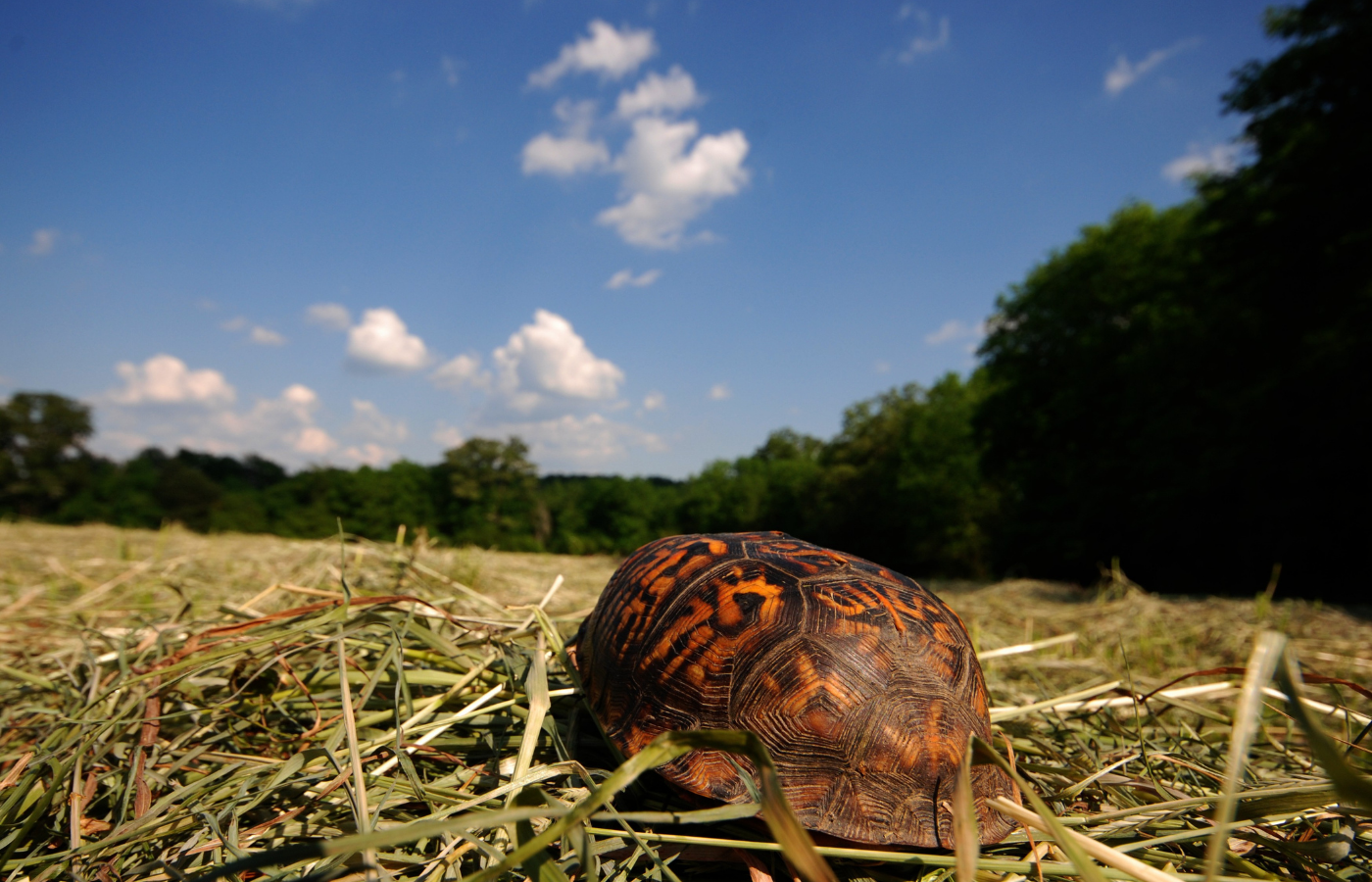
Eastern box turtles are most often spotted on quiet forest trails within the Potomac River region. Their natural camouflage makes them easy to miss, so it helps to look carefully in leaf litter and along slow-moving paths. But just look at a distance! We do not want to disturb these critters by trying to pick them up or encroach on their space.
If you love staying home and enjoying most nights in, you and these turtles have something in common. They’re homebodies, too! They can live in the same small area for decades, rarely straying far from their home range. Sounds nice, right?
Why we’re obsessed with the eastern box turtle and you should be too
Eastern box turtles can live for decades, often 50 years or more, making each one a long-term part of its ecosystem. They have good genes!
They’re considered an indicator of species, meaning their presence reflects healthy forest conditions. Because they reproduce slowly, protecting them and their habitat is especially important.
As our Critter of the Year, this turtle is a reminder to slow down and notice the natural world. It is a small but meaningful ambassador for conservation and a species worth celebrating!


Butler’s Orchard & Farm Market is a family-owned and operated business outside of Germantown, MD. Their farm, as well as many others in the Potomac River region, experienced severe losses in crop yields this season due to extremely poor weather conditions, including a frost in April of this year.