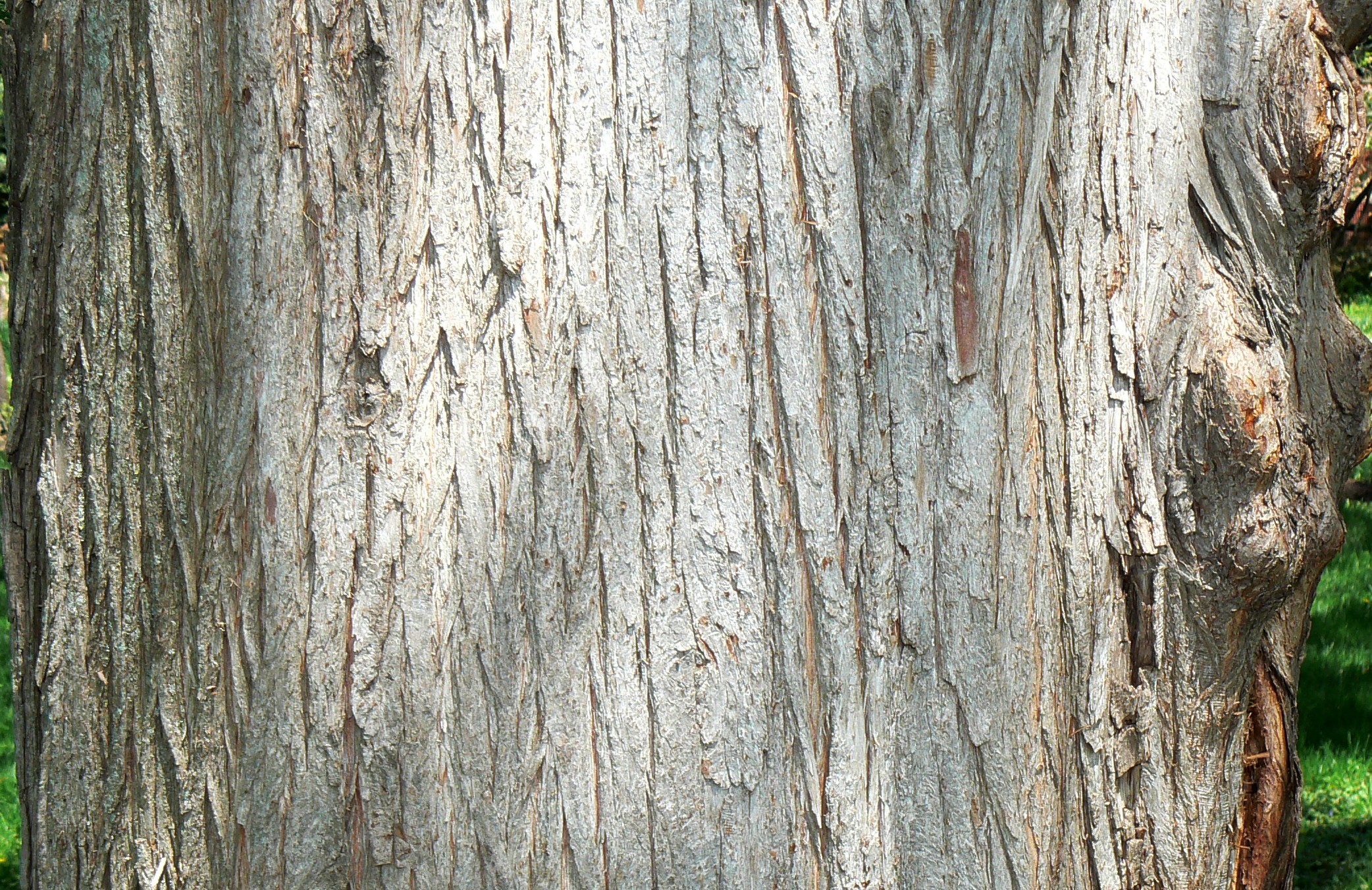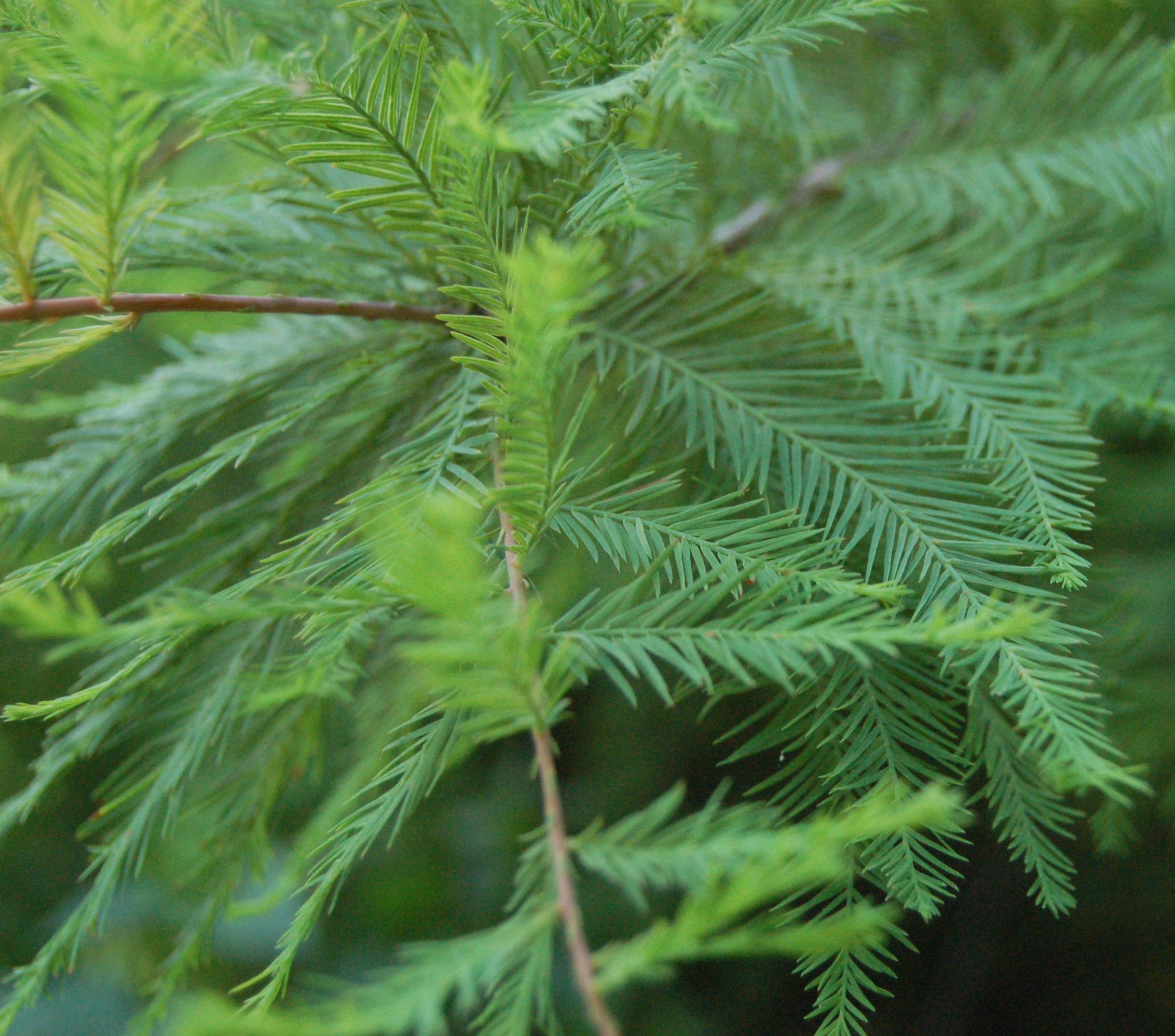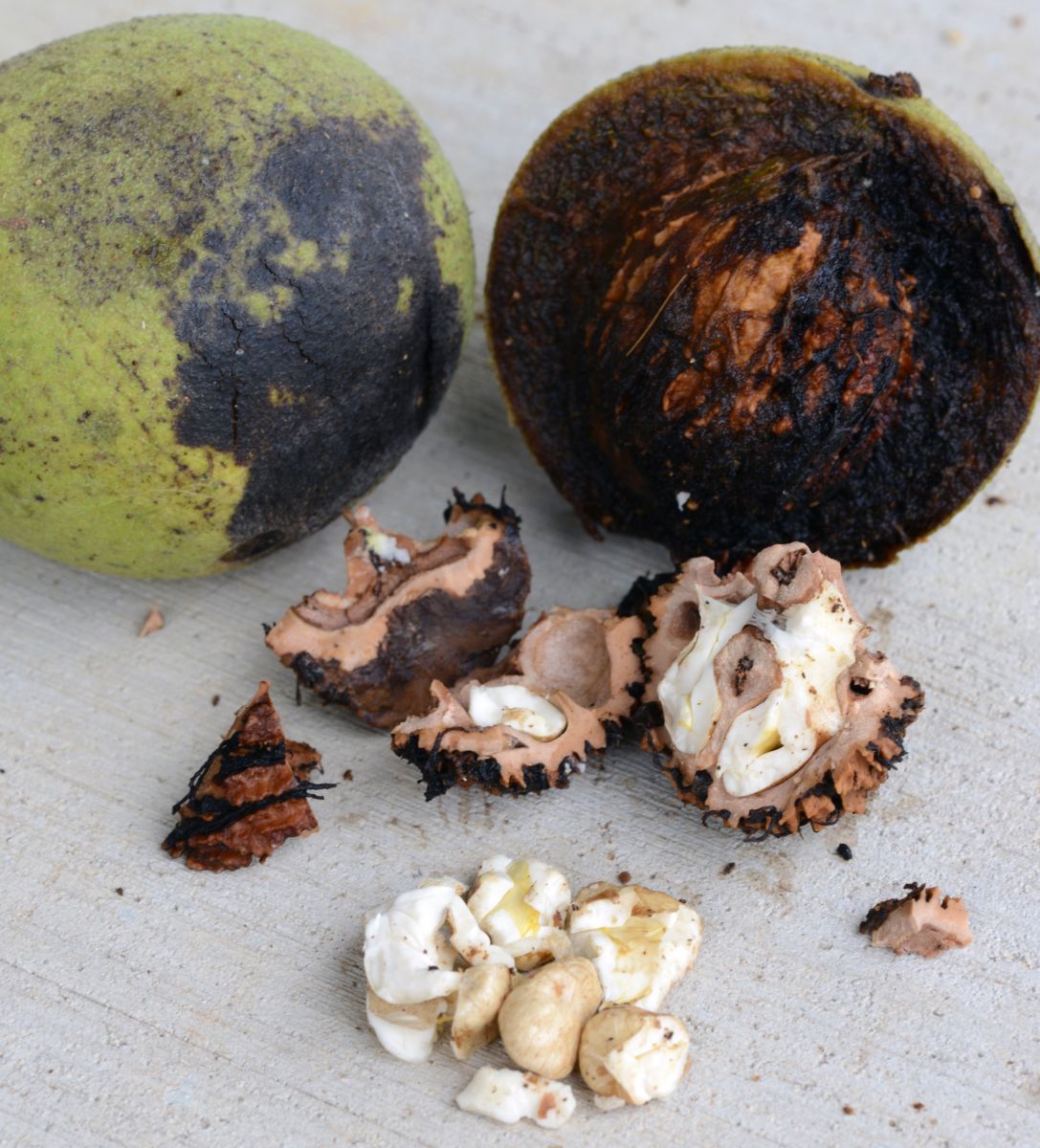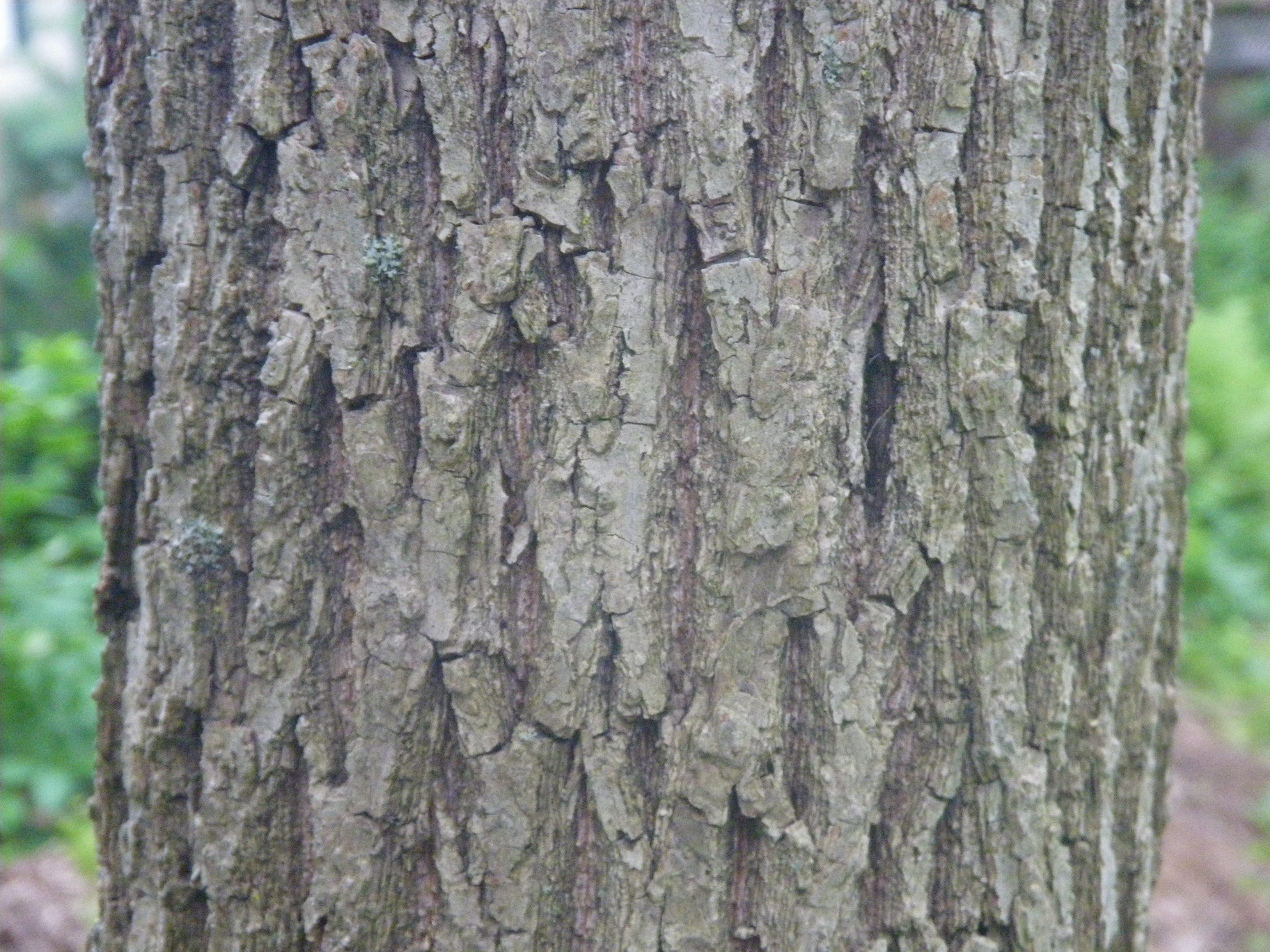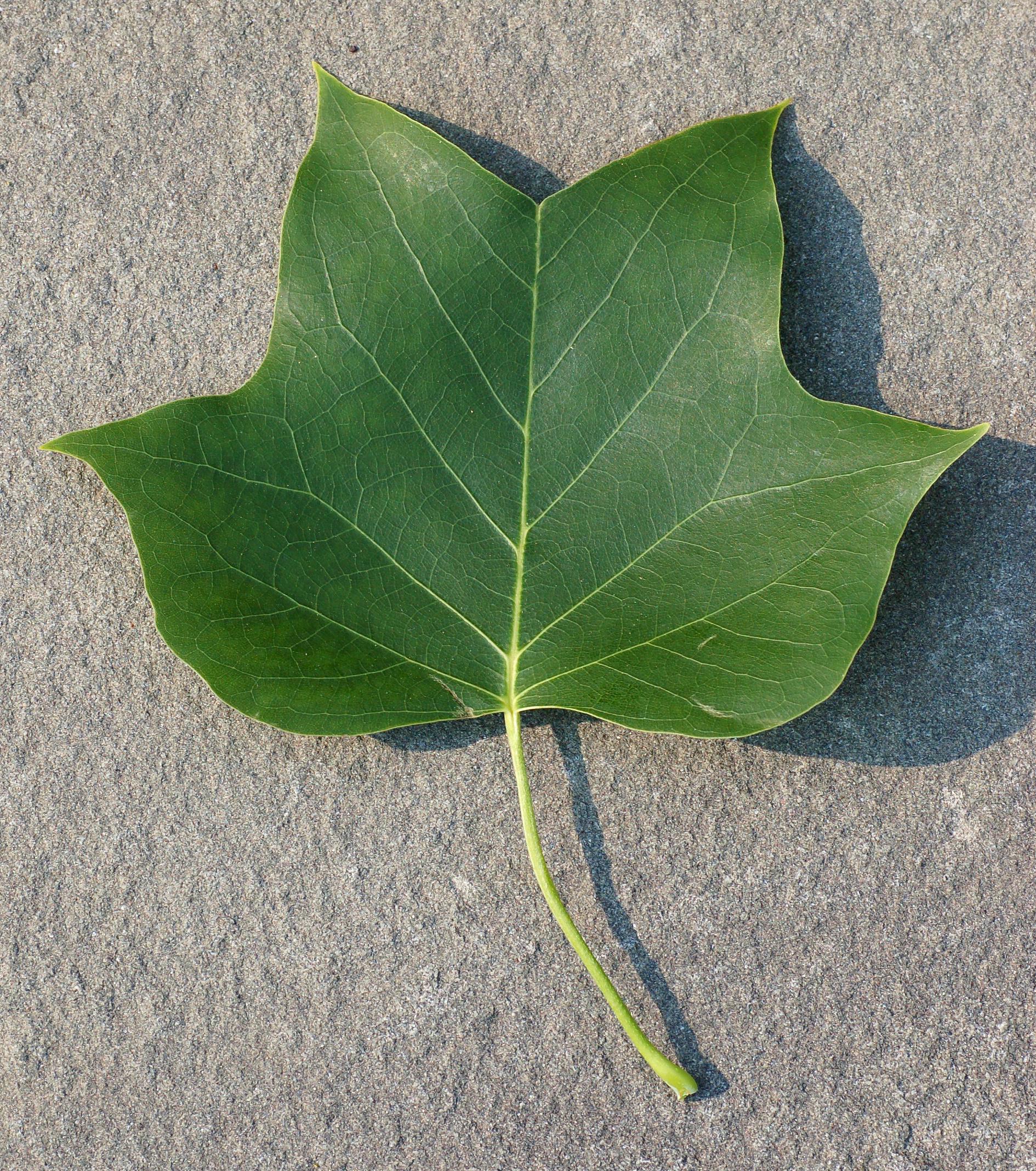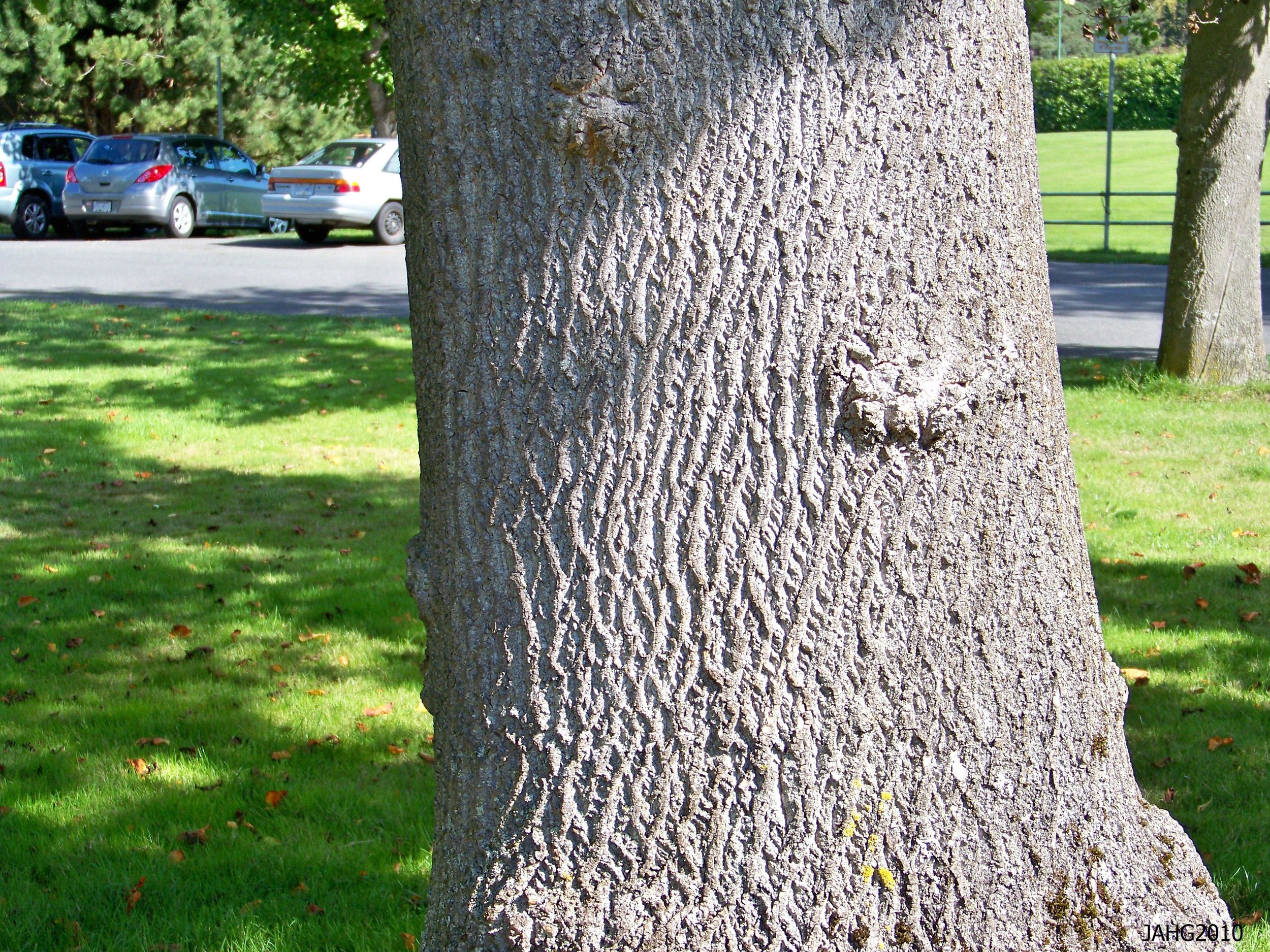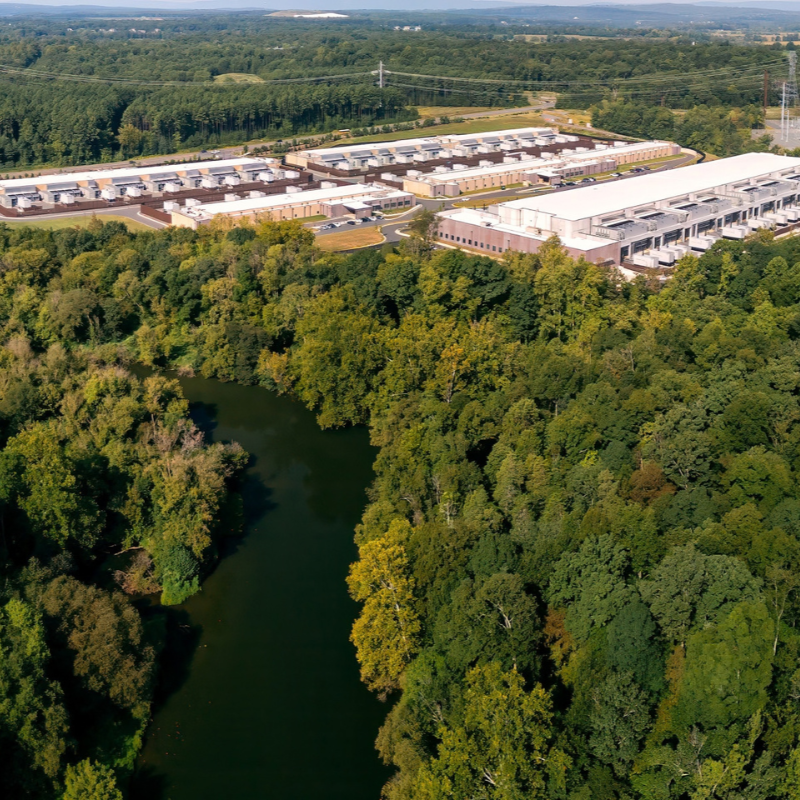
QUIZ: Name that nut! Test your local tree ID skills
/ Willis KliefothHow well do you know the Potomac River region’s acorns and seeds?
photo by potomac conservancy
Our local trees don't just deliver a treat in the form of fall foliage this time of year. Trees that are indigenous to our region also cover the ground with their acorns and seeds, which are more important to clean water than you might realize.
Today’s seeds are tomorrow’s trees, after all! And any healthy river, including the Potomac, relies on streamside trees for protection.
The protective trees that line our local rivers and streams filter pollution, prevent erosion, and provide habitat for wildlife.
That’s why we’re helping nature along! This fall, we're bringing the community together to help partners put more trees in the ground by filling critically low acorn and seed supplies through Tomorrow’s Trees—a people-powered initiative that creates future forests for healthy rivers and streams. Learn more about the program here.
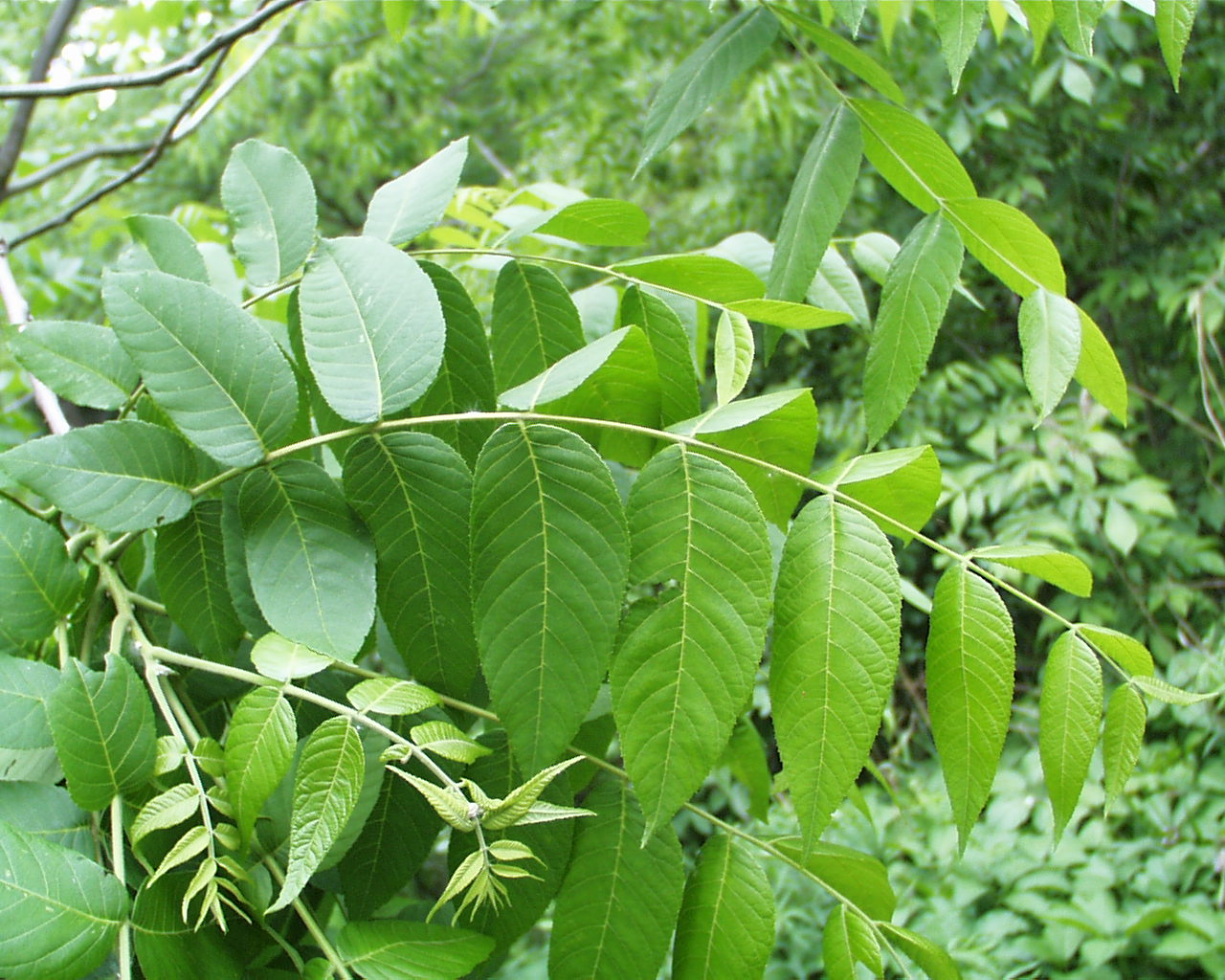
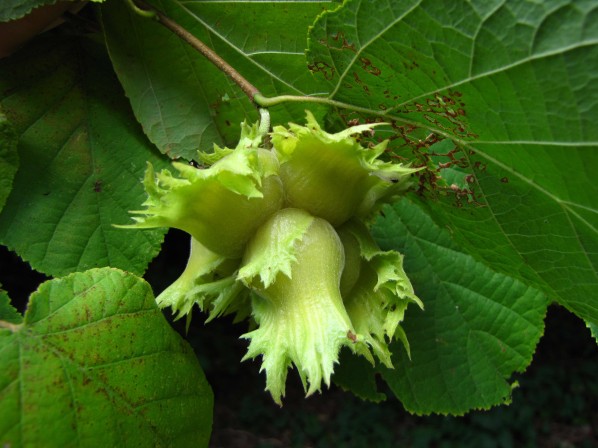
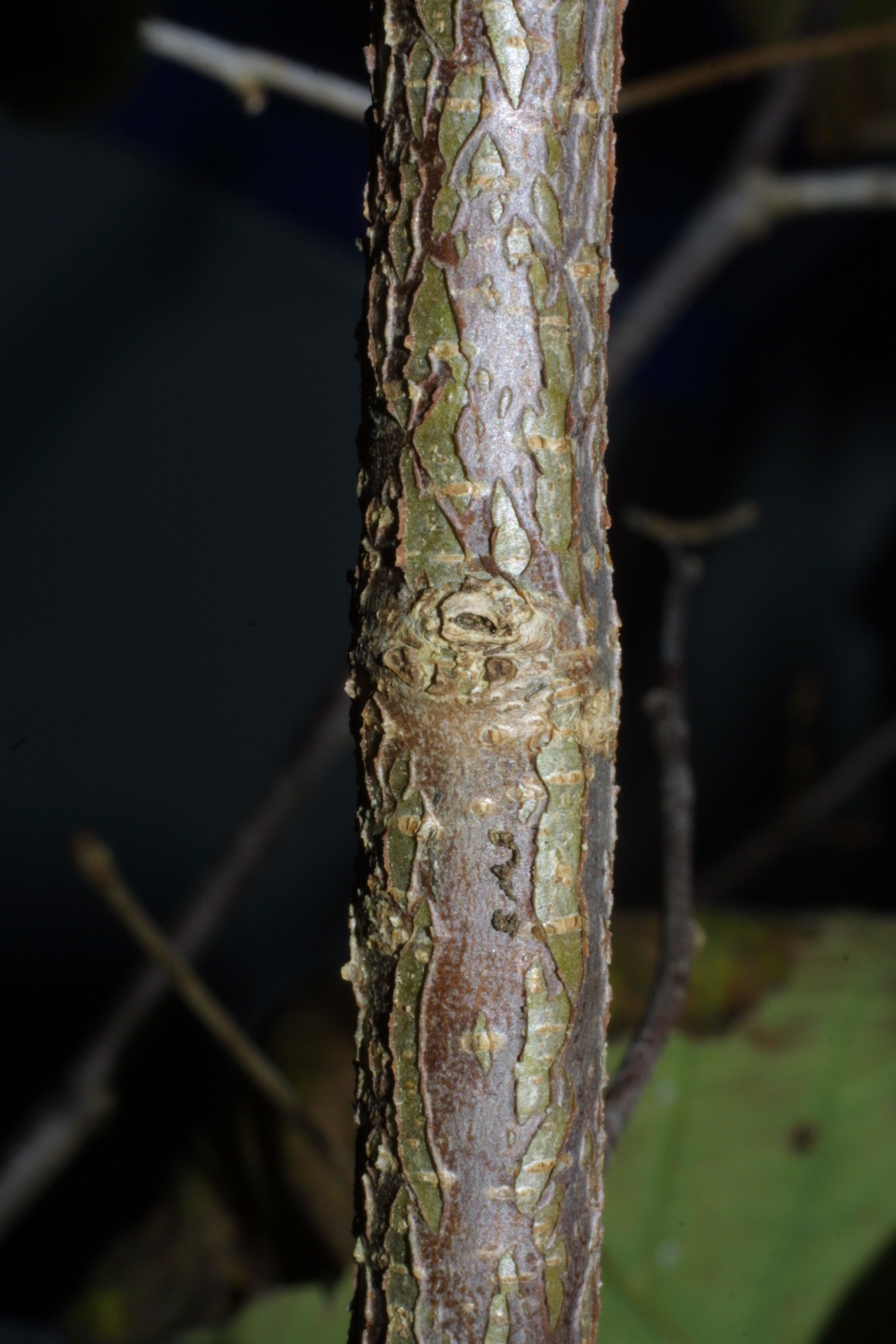
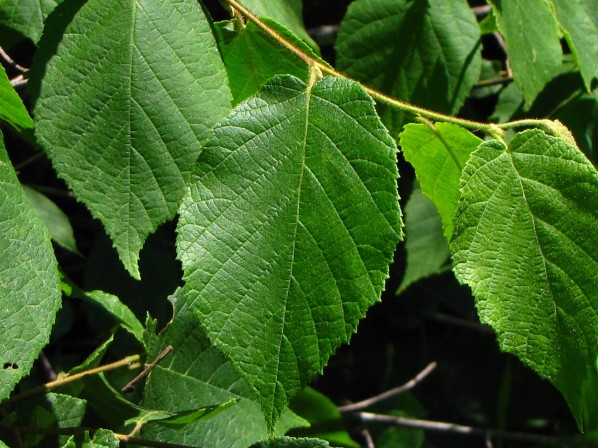
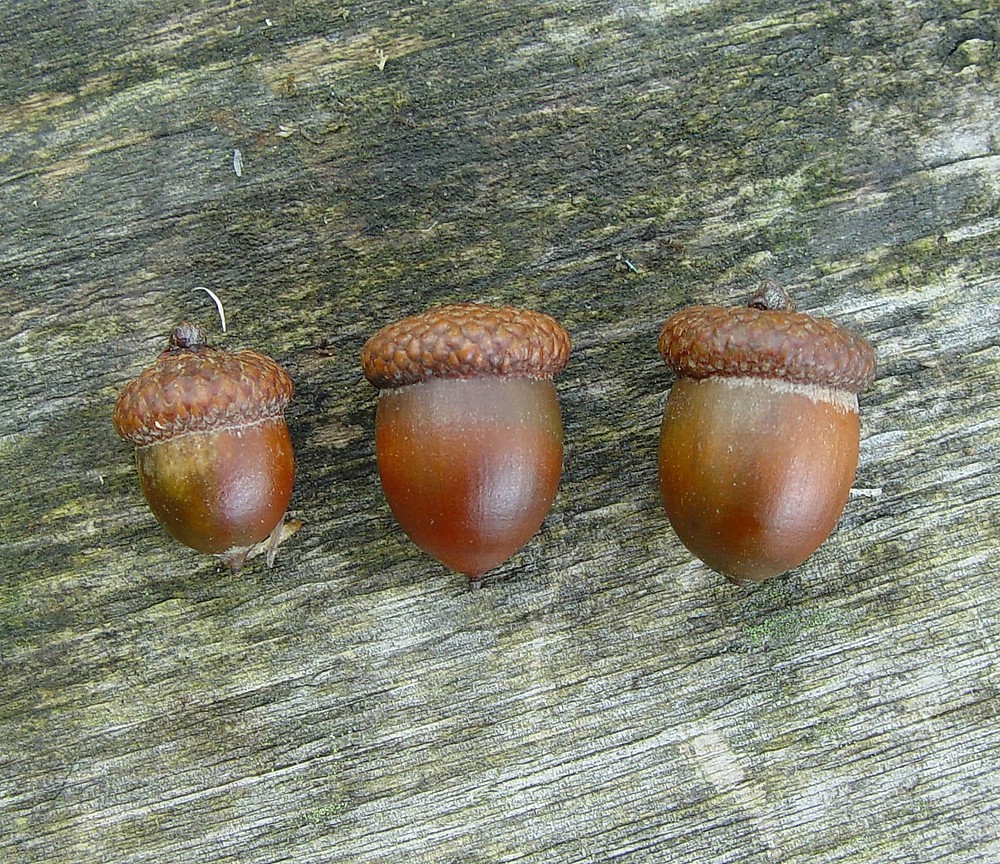
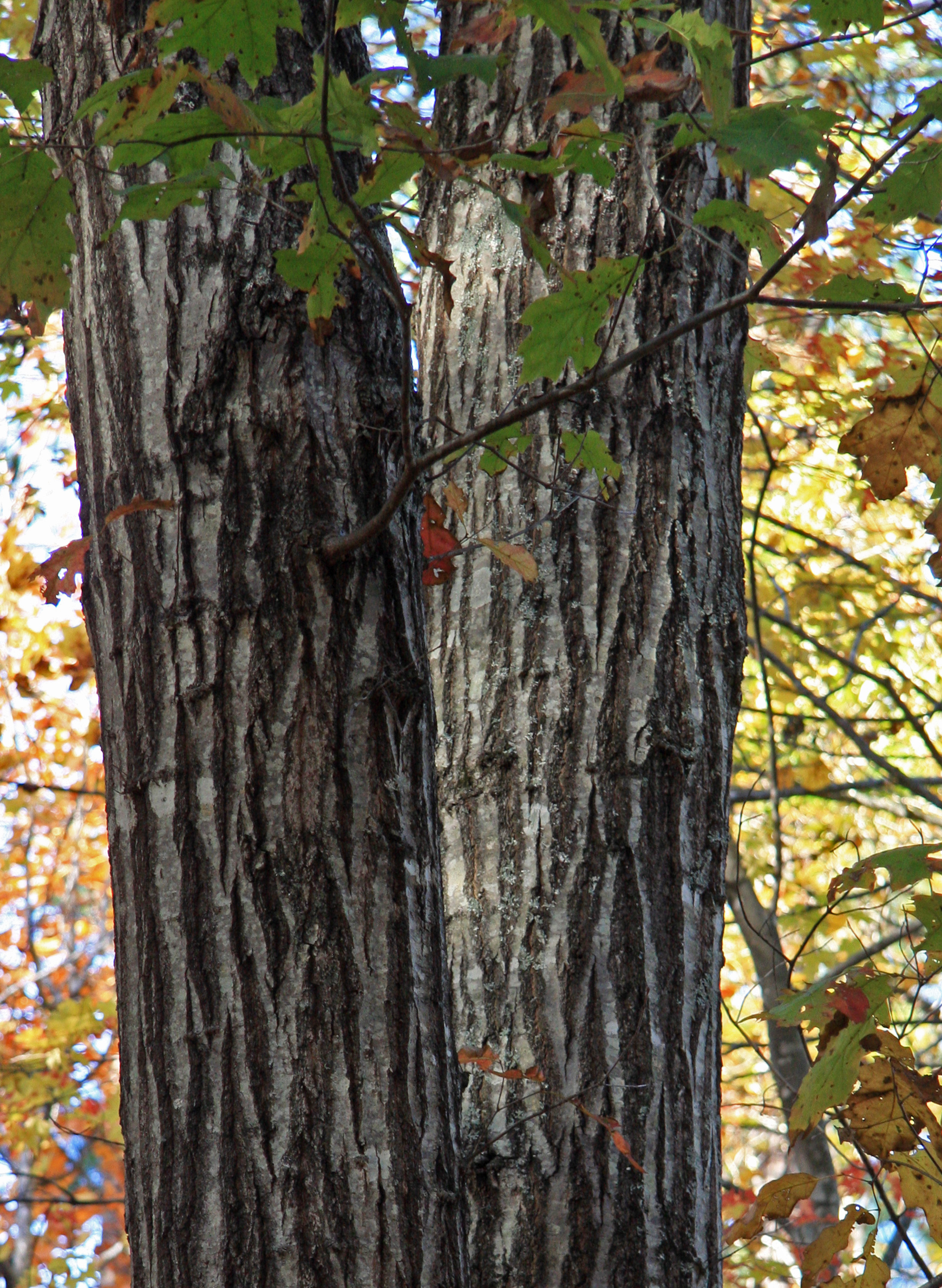
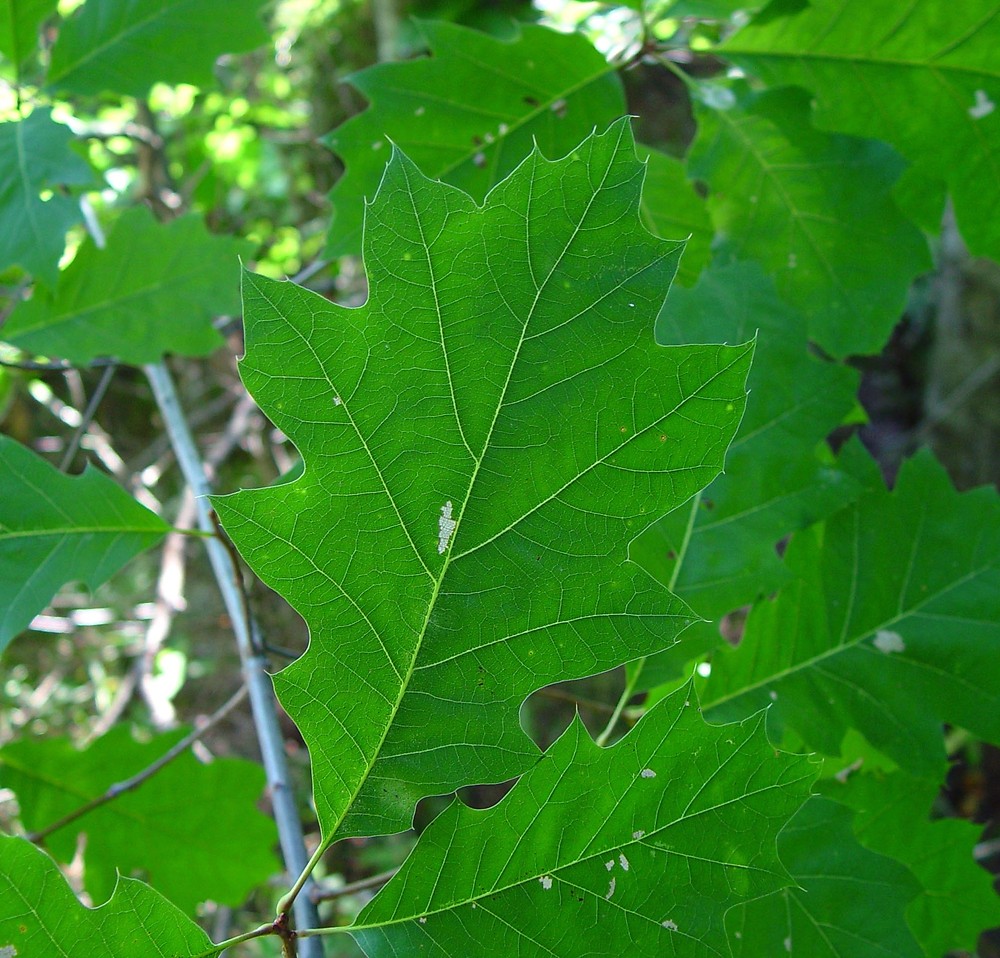
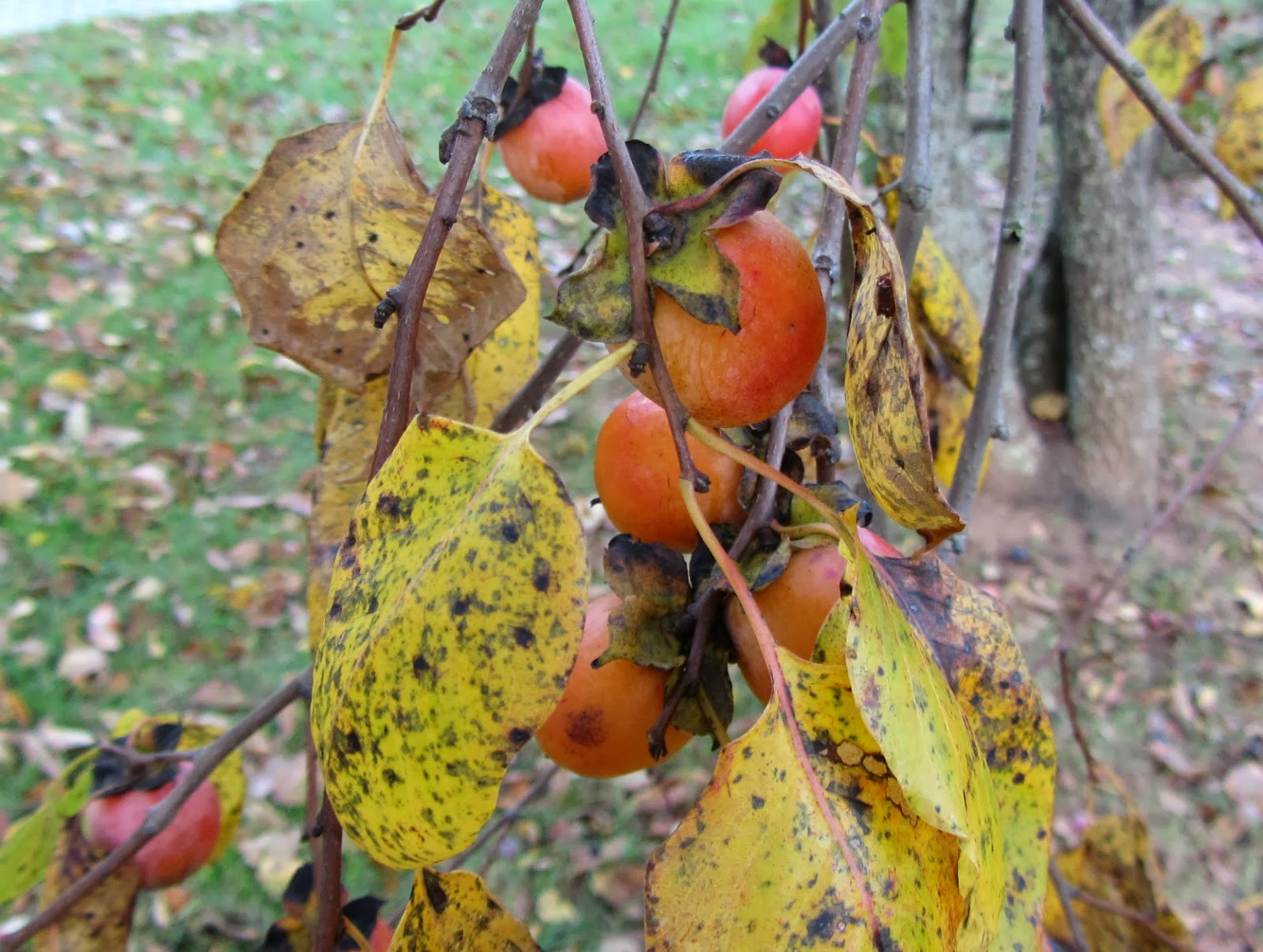
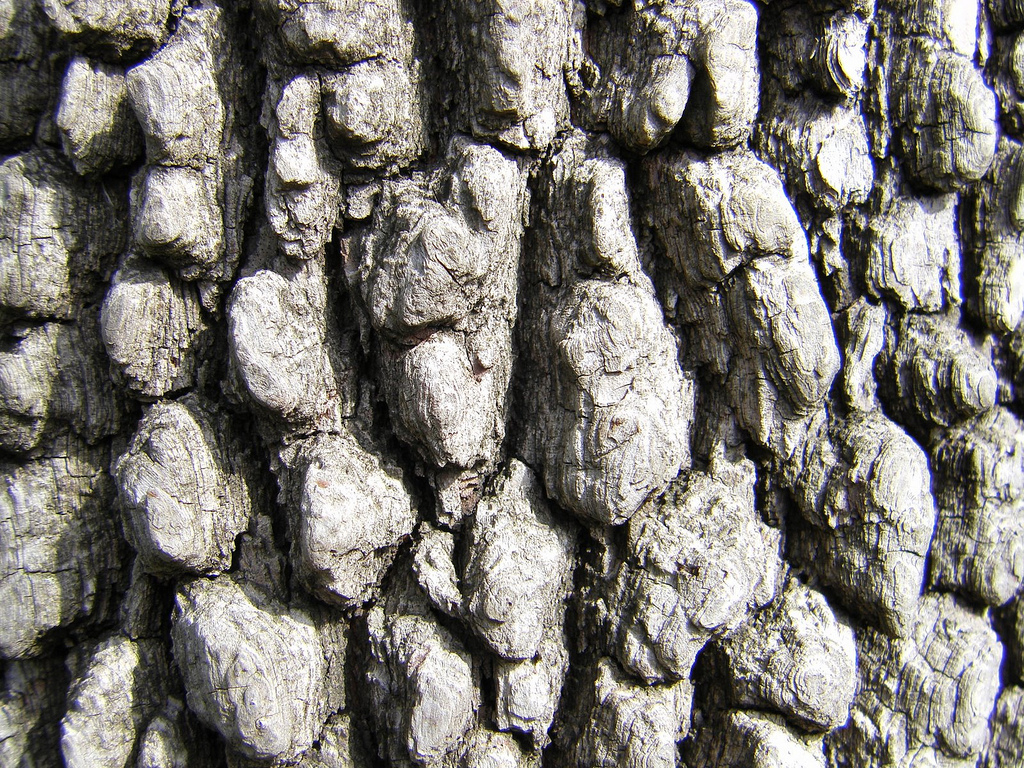
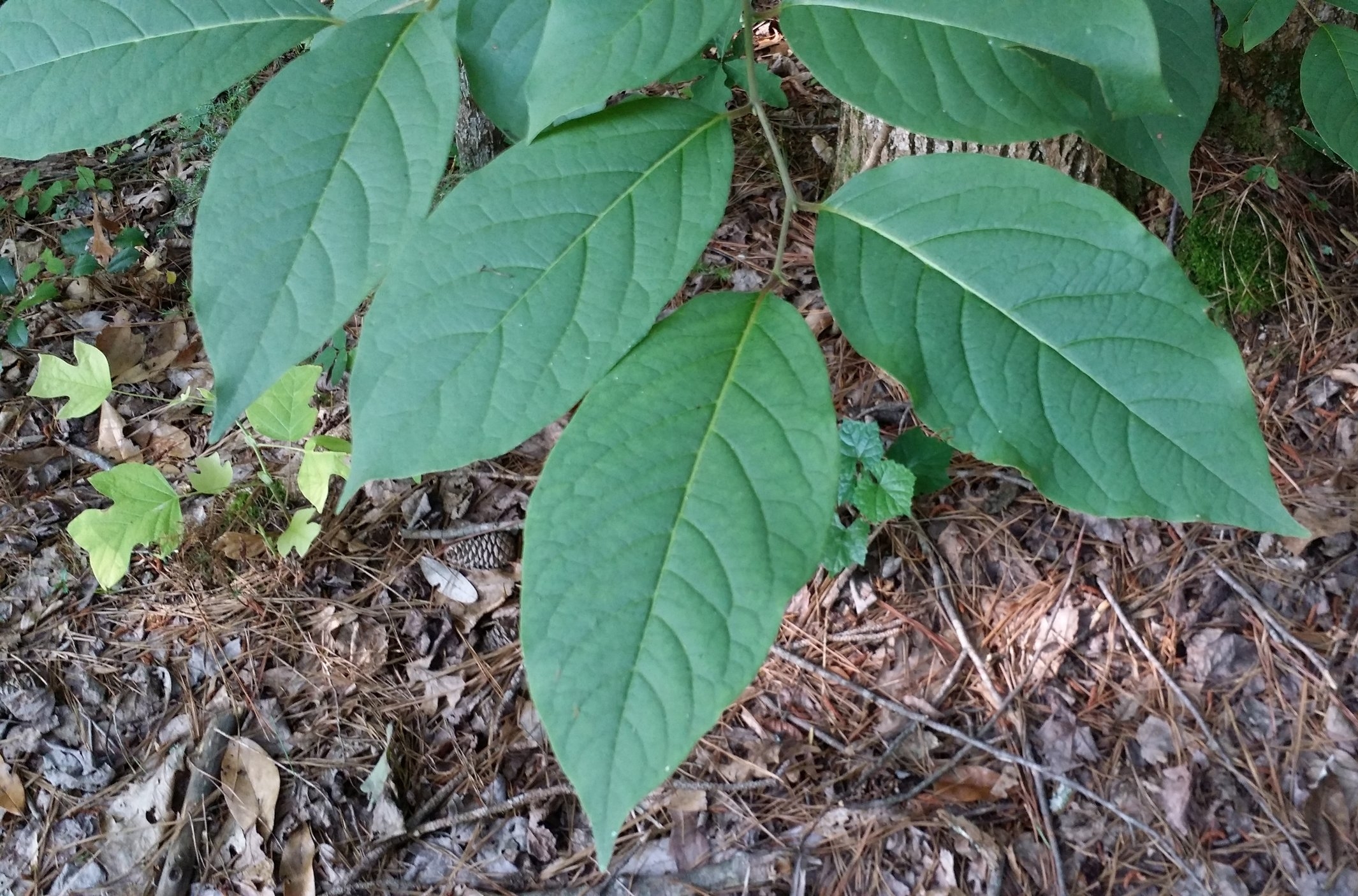
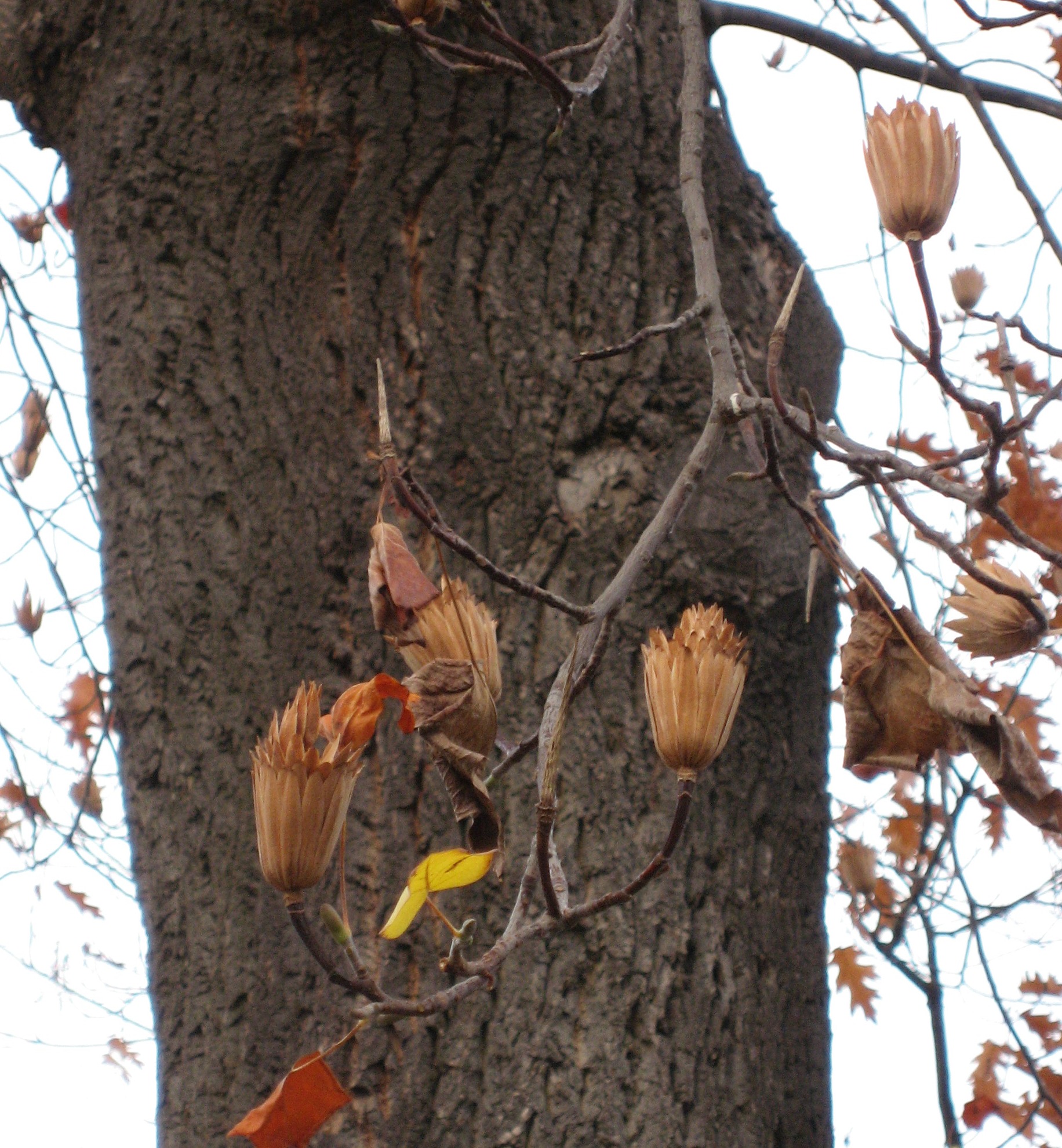
So how good are you at identifying our indigenous nuts and seeds? Take our quiz to find out!
Click the arrows on the right to see the clues. The answer is revealed on the last slide. Good luck! 🍀
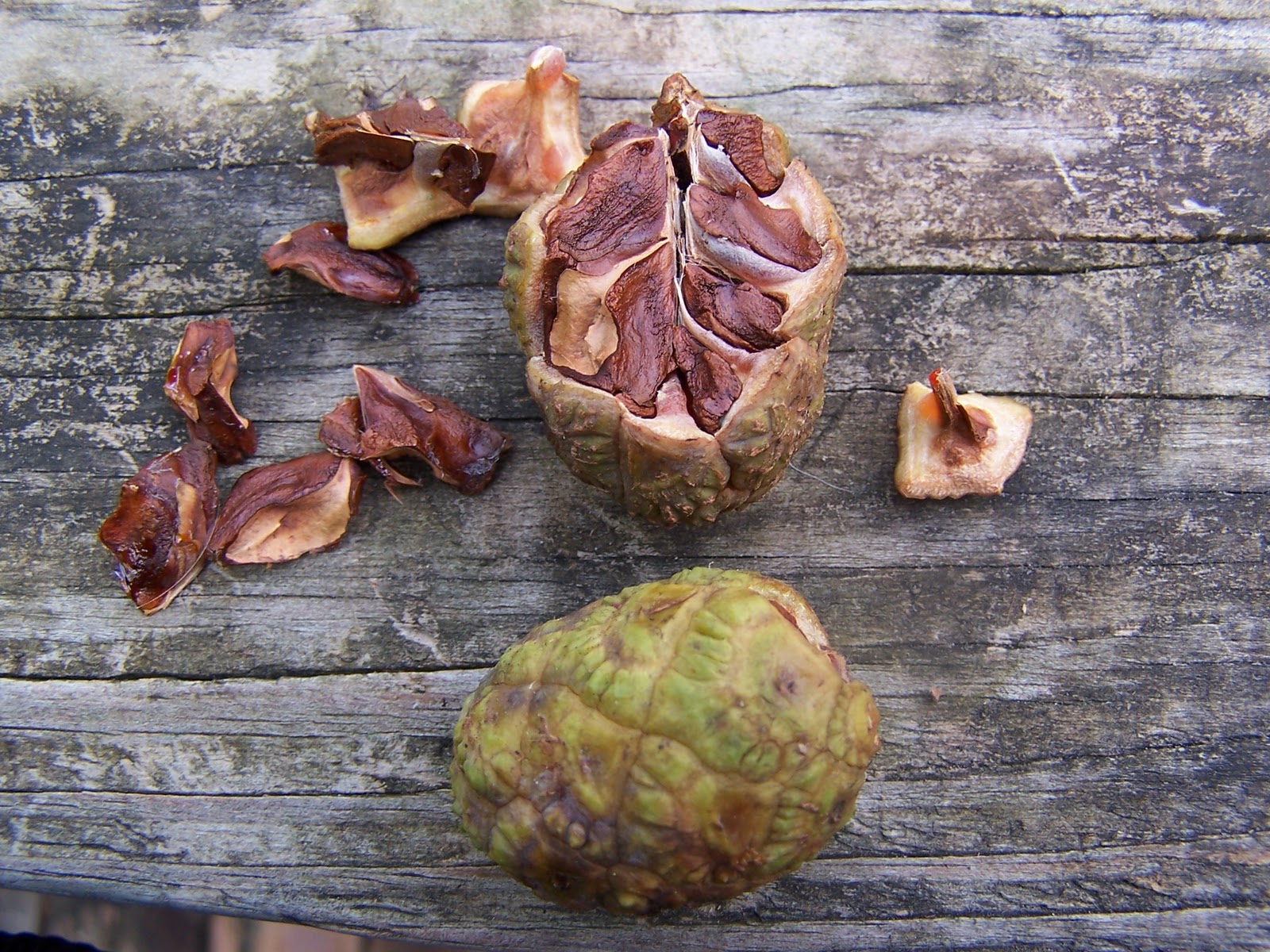
#4
#5
#6
Love learning more about local tree seeds and want to help re-forest the Potomac River region? Keep up to date with our Tomorrow’s Trees program to see how you can help grow today’s seeds into future forests!
You May Also Like:
When viewed through a lens that considers its cultural, historical, and ecological roles, it’s no mystery why the Potomac River has been both a gathering place and a rallying point for generations.
In a letter to The Washington Post, Potomac Conservancy’s President calls for greater investment in our most treasured natural monument: the Potomac River.
Read the full letter about why we think the country’s focus should be on the health of our rivers and drinking water, not a reflecting pool.
What you need to know about the January 2026 Potomac Interceptor sewage spill and how you can demand accountability and action.
This organization is carving out a space in our region for Black women who are passionate about the environment and want to form these connections with each other and with the earth. Here’s how they’re making a difference.
Across the Potomac River region, lack of tree cover leads to hotter neighborhoods, higher energy costs, and greater heat-related health risk, often in communities that have historically faced racial and economic inequities. Tree equity addresses these gaps by ensuring all neighborhoods have access to the cooling and health benefits of trees.
In 2019, America voted, Potomac locals voted to name two dolphins who call the Potomac River home. We’ve all experienced a lot in 7 years, and they have too!
Check out how they’re doing in 2026, with this guest blog from our friends at The Potomac-Chesapeake Dolphin Project
Potomac Conservancy responds to the latest emergency repairs at Pennyfield Lock (Lock 22)
Potomac Conservancy responds to DC Water Board’s decision to change its top leadership. Learn why we believe this is an important moment to correct course for the river and our community.
These Potomac River waterfalls highlight the power and variety of our diverse region! Each one is shaped by the streams and tributaries that feed into the Potomac River’s watershed system. Together, they offer a clear look at how water moves through and shapes the landscape.
The Eastern box turtle may not move fast, but it has a lasting impact. Found across the eastern US, including our neck of the woods, this small, land-dwelling turtle supports healthy forests through its feeding habits and movement across the region. Your Potomac River 2026 Critter of the Year is a reminder that even the smallest critters in our ecosystems have a major role in its health!