More trees are up for the chopping block at East Potomac Park
/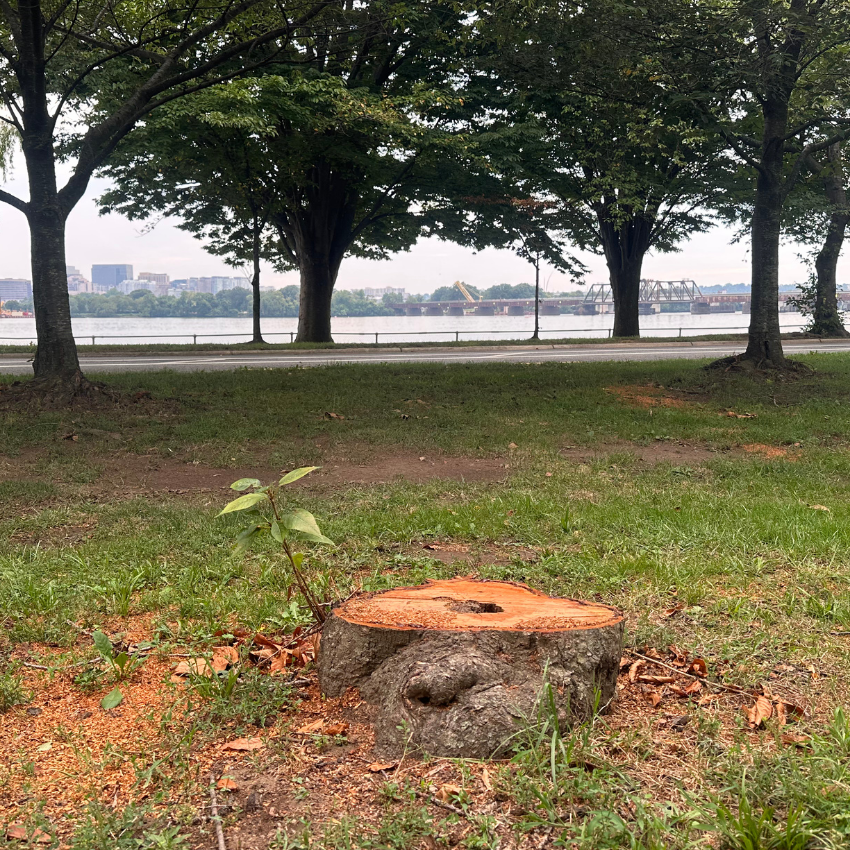
Potomac Conservancy’s response to the recent East Potomac Park tree cutting
Read More
Potomac Conservancy’s response to the recent East Potomac Park tree cutting
Read MoreSomething sinister is hiding in the forests of the Potomac River region, where invasive pests and disease are quietly killing native hemlock, beech, and ash trees. Their disappearance threatens more than the fall landscape, weakening forests that help prevent erosion, absorb polluted runoff, and protect the Potomac River. This spooky season, learn what is haunting our trees and how you can help protect the forests that keep our river clean.
Read MoreCheck out Sweet Run State Park, one of Virginia’s newest State Parks located in Loudoun County, VA. Discover the outdoor opportunities Sweet Run has to offer this fall season! Sweet Runs protected by several conservation easement agreements, with nearly 570 acres held by Potomac Conservancy. Experience the natural beauty of conservation by checking out Sweet Run today!
Read MorePotomac Conservancy stands with the Indigenous Conservation Council in calling on the Chesapeake Executive Council to honor Tribal sovereignty and return to these conversations in good faith.
Read MorePresident Trump issued a new Executive Order for the Chesapeake Bay repealing a 2009 Executive Order signed by then President Obama directing greater federal and local collaboration to accelerate restoration of the Chesapeake Bay, of which the Potomac River is a major tributary.
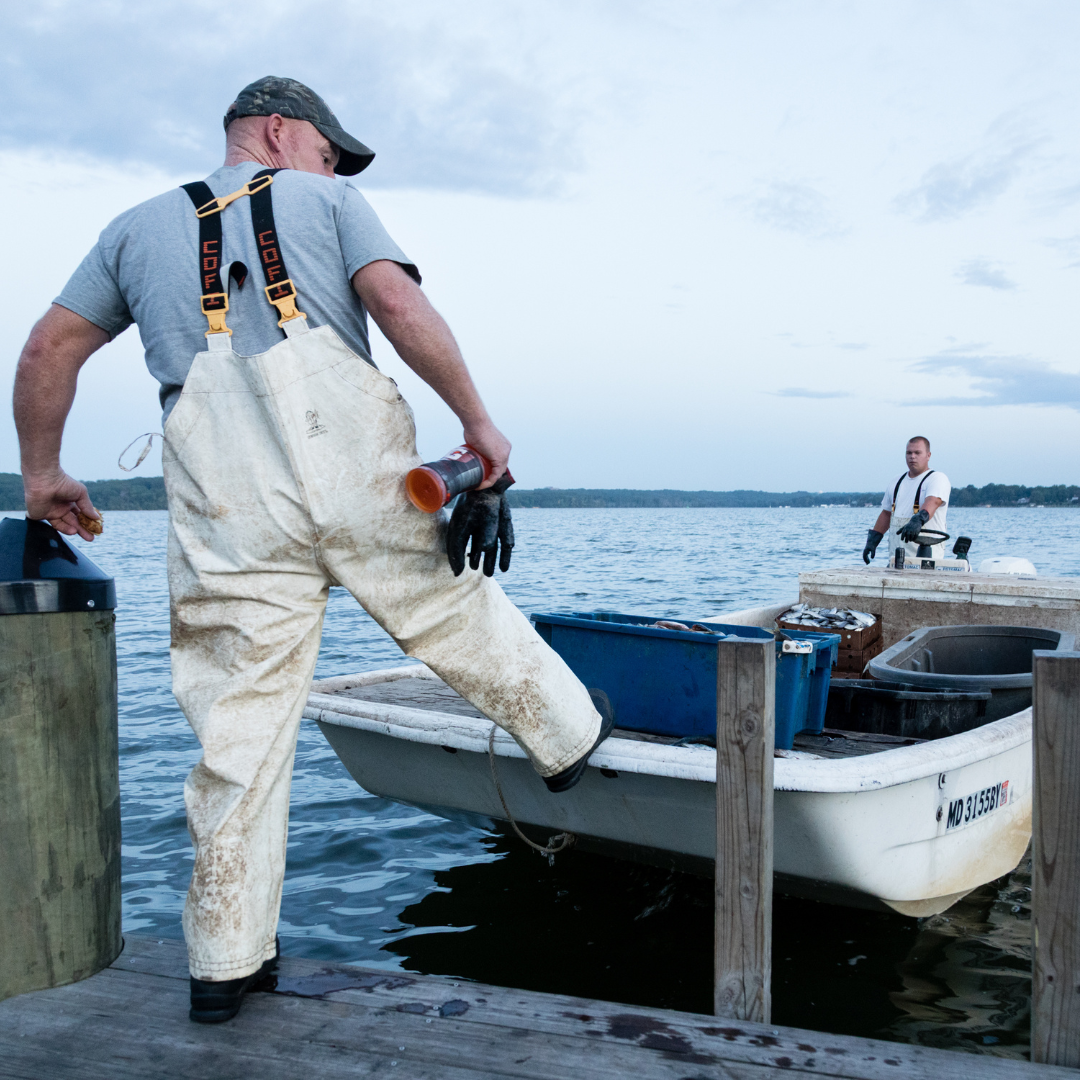
Read MoreFishing is one of the most loved recreational activities the Potomac River provides. We dive into all the information and tips you need to know to get started planning your next fishing adventure, even if it is your first time
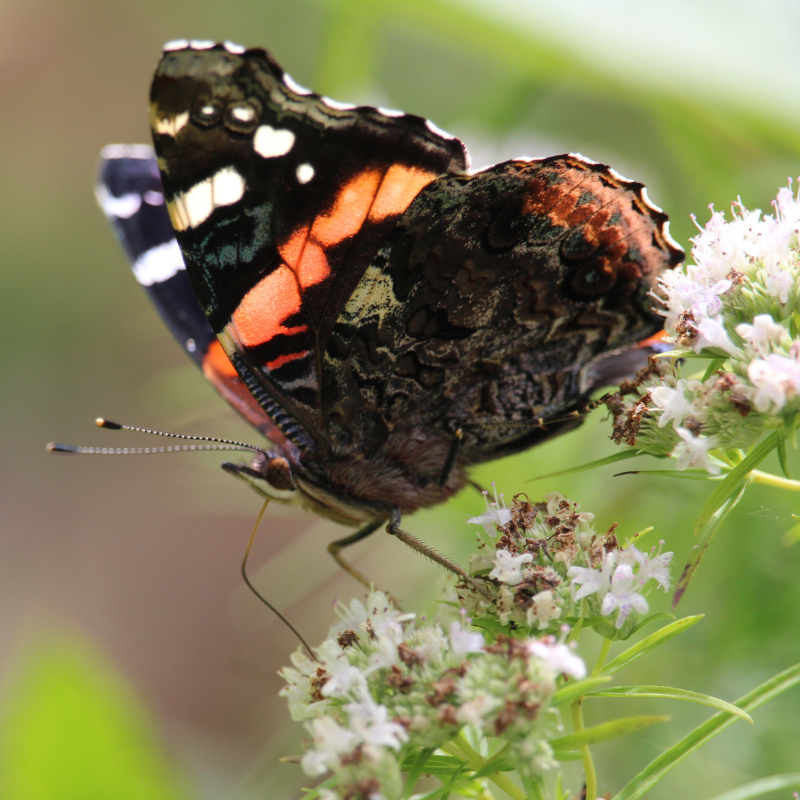
Read MoreCurious about the numerous butterflies and moths fluttering around the Potomac River region? Find out how caterpillars spend their fall months, before emerging into butterflies and moths in the warmer months!
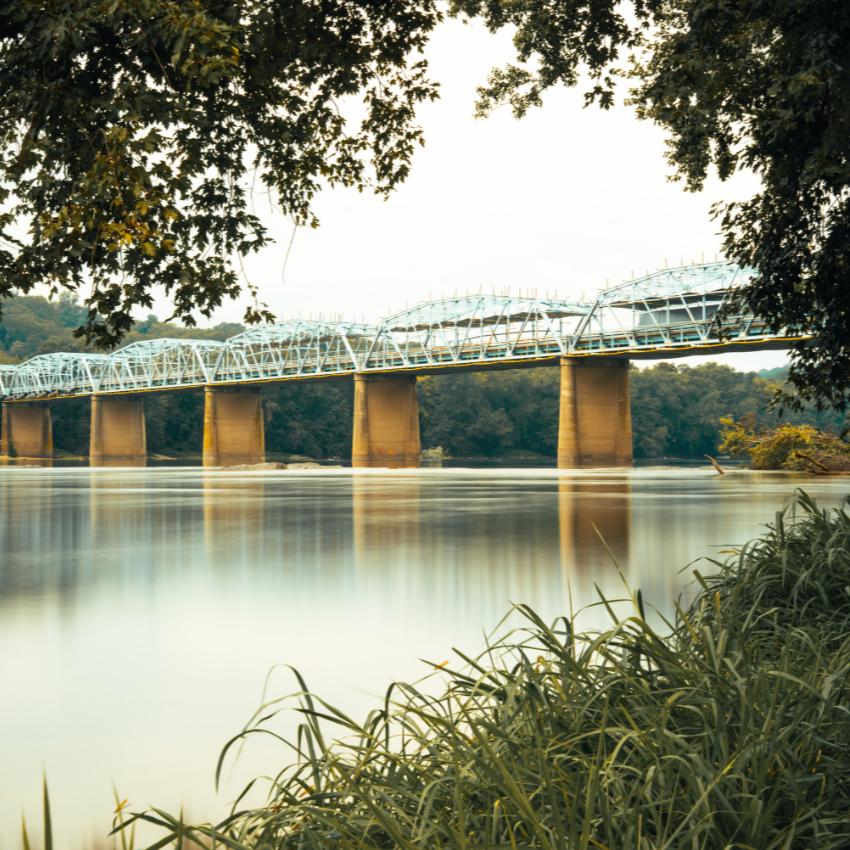
Read MoreThe connectors across our regions, bridges, have their own unique history to tell. Find out about these 5 bridges around the Potomac River region and how they’ve supported our communities for decades
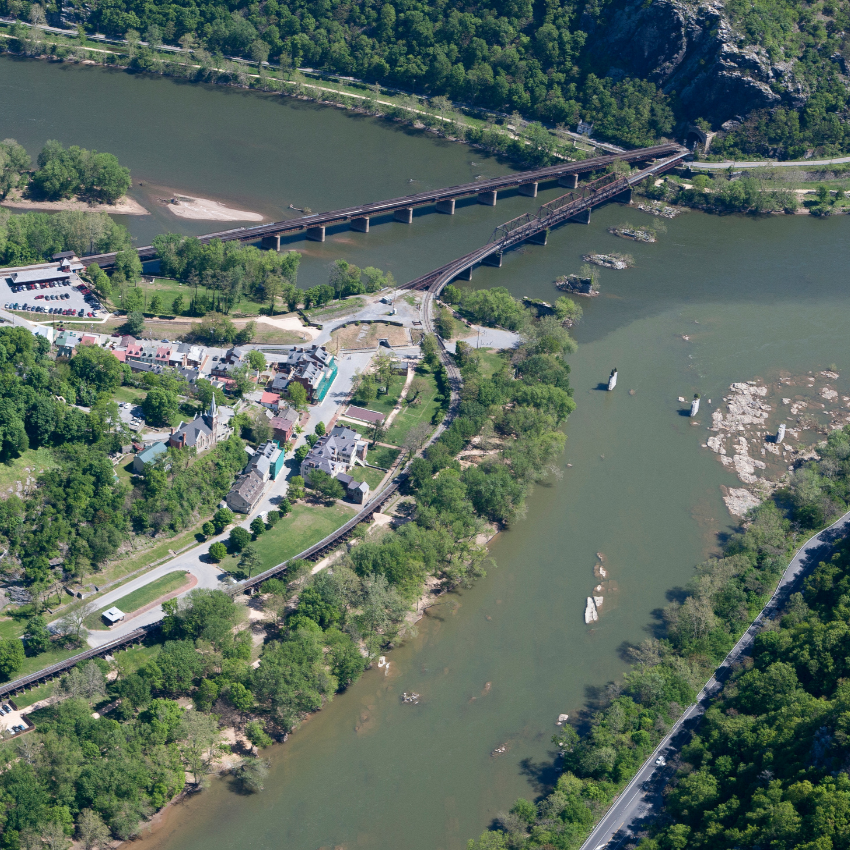
Read MoreEver wonder about all the other streams and rivers you see in the region? They’re all interconnected to the Potomac River, but they’re not the mainstem. Learn about the tributaries that are closest to you and ones for you to explore this season!
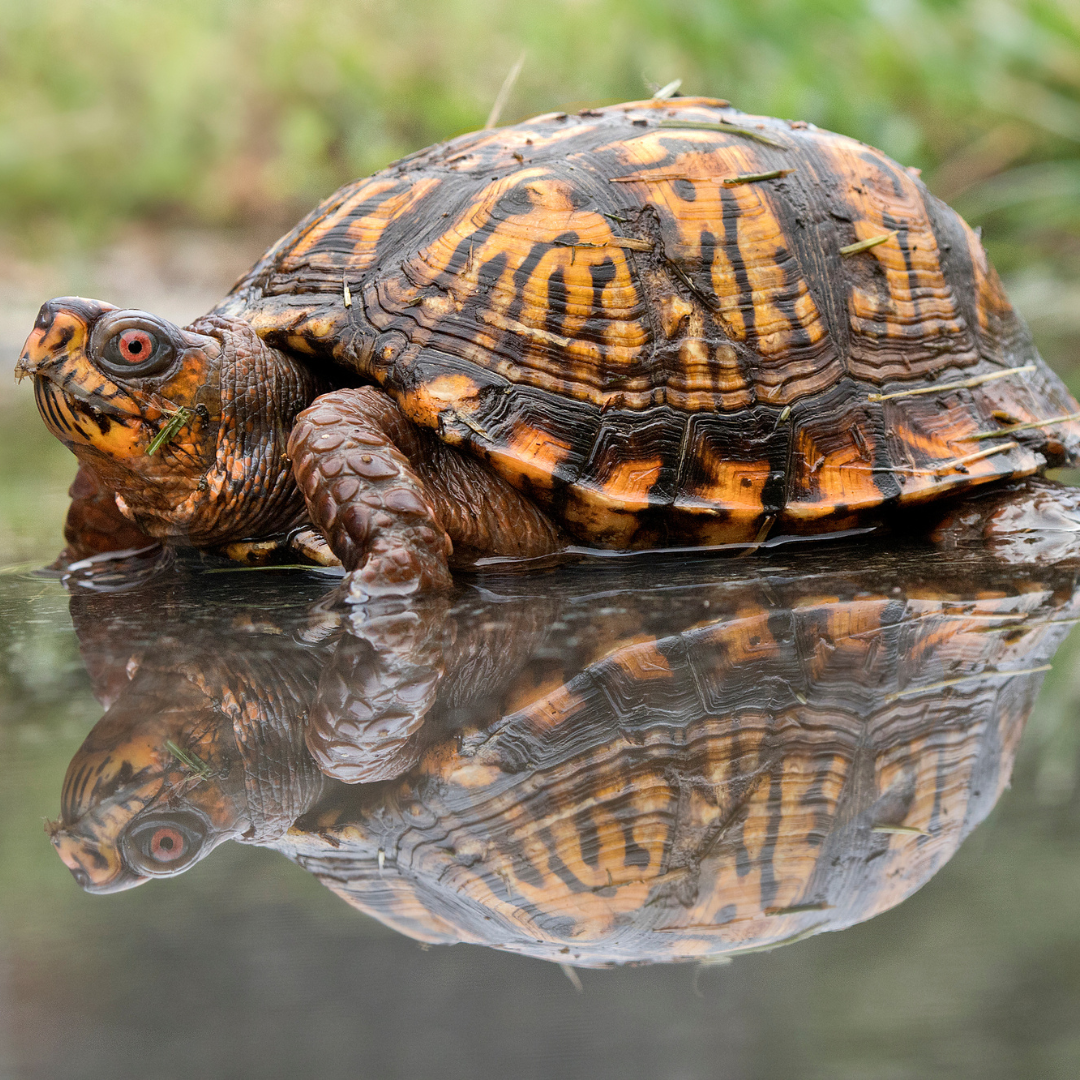
Read MoreThe Eastern box turtle may not move fast, but it has a lasting impact. Found across the eastern US, including our neck of the woods, this small, land-dwelling turtle supports healthy forests through its feeding habits and movement across the region. Your Potomac River 2026 Critter of the Year is a reminder that even the smallest critters in our ecosystems have a major role in its health!
Read MoreWhen viewed through a lens that considers its cultural, historical, and ecological roles, it’s no mystery why the Potomac River has been both a gathering place and a rallying point for generations.
Read MoreReady to get outside but need some new running route ideas? We’ve compiled our favorites (with some help from local running groups) for you to check out!
When we spend time recreating near the Potomac River we build a lasting relationship with our beautiful streams, forests, and wildlife. Ready to find the perfect route for you?
Read MorePFAS, better known as “forever chemicals,” have long been accepted as a commercial necessity. But as research reveals the extent and severity of their impact on human and animal health, the pressure is on to remove these slow-degrading chemicals from the Potomac and its tributaries.
Read MoreIn the midst of a remarkable comeback, the Potomac River has seen a 10% increase in recreation in three years, but now its future is in question…Rising threats to water quality are impacting this wild urban river, the drinking water source for 5 million people in the DMV.
Read MoreCurious to know why some animals prefer living in the liminal spaces of the day, and which critters to keep an eye out for on your next dawn stroll or twilight hike? Let’s illuminate this fascinating – and, if you ask us, underappreciated – side of wildlife behavior!
Read MoreInterested in hiking through a historic battlefield or strolling along a lake while birdwatching?
Ranging from short and sweet to a bit more challenging, these Potomac River region trails will hit the spot no matter what you’re in the mood for!
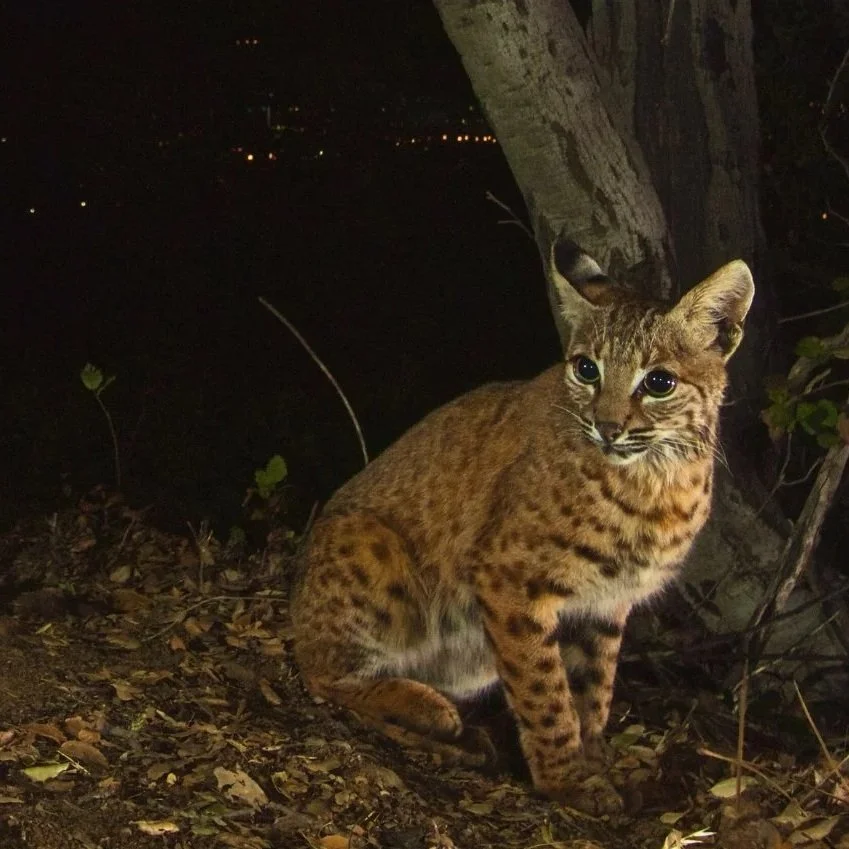
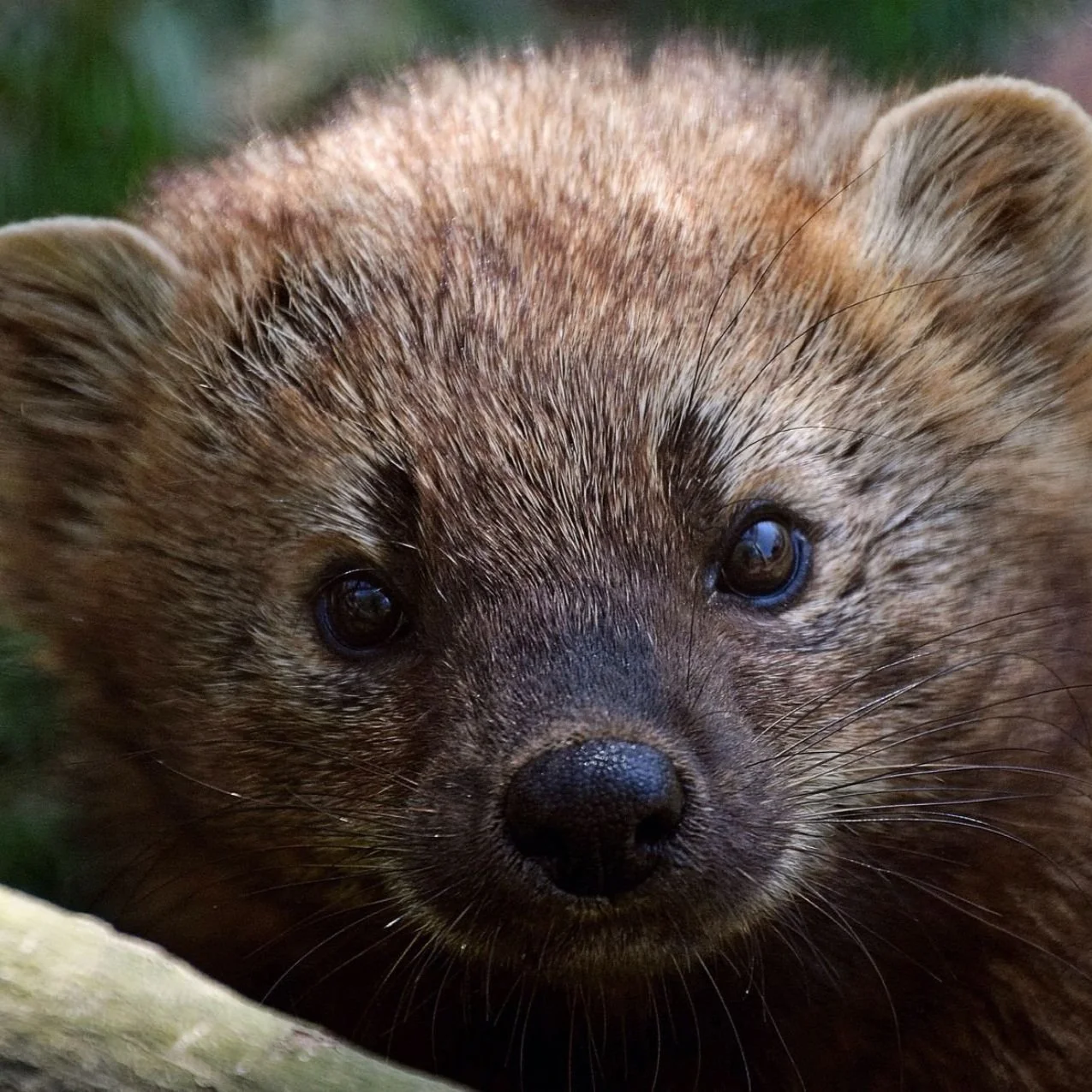
Read MoreWhat’s a cousin of our river otters, has a tail over half as long as its body, and strikes fear in the hearts of porcupines? Read on to find out!
Read MoreWith its abundance of forested land and fresh water, the Potomac River region is home to over 120 bird species. Learn how to use sound and sight to identify some species you might see in your backyard or local park.
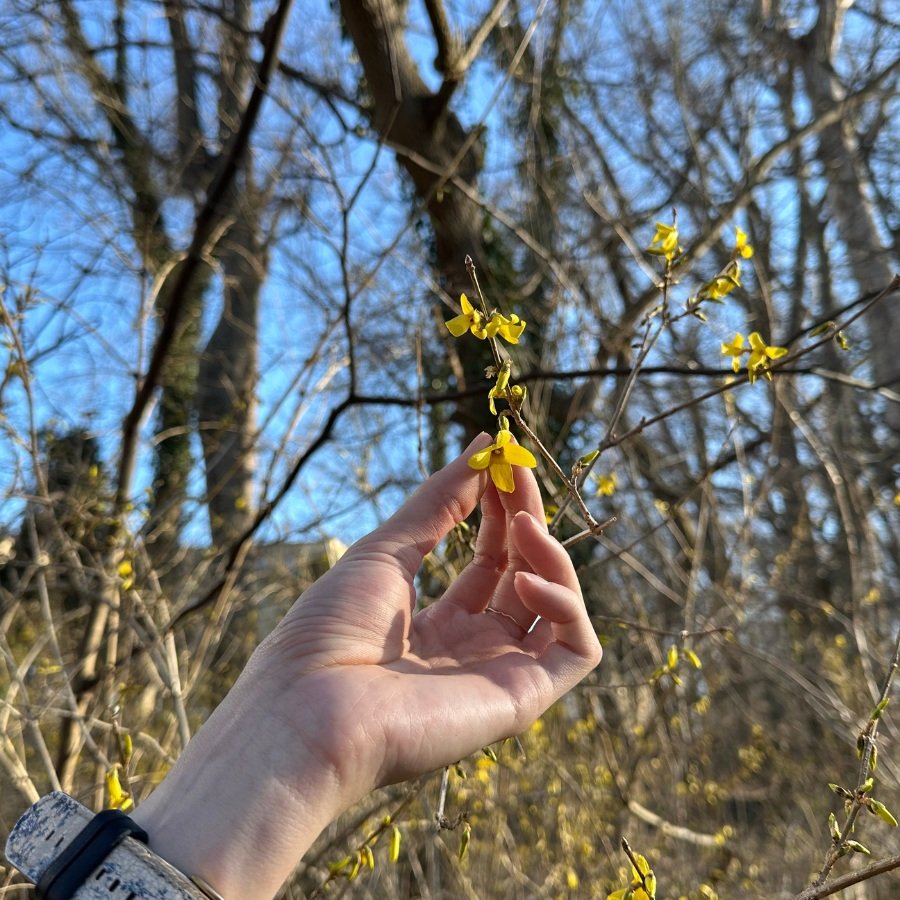
Read MoreCherry blossoms, move over – its Virginia bluebells time to shine! These native wildflowers bloom around the Potomac River region and we have the intel on where to see them.
Plus, we’ve got some bluebell facts so you can be an expert among your friends!
Read MoreLooking for a new and trendy activity? Try foraging! We have some tips for you and recipes for what to do with your foraged plants.
You can enjoy the Potomac River region and try new foods!
Read MoreThe region’s leading clean water advocate, fighting to ensure the Potomac River boasts clean drinking water, healthy lands, and connected communities.
Potomac Conservancy
4500 East-West Highway, Suite 150
Bethesda, MD 20814
Call: (301) 608-1188
EIN: 52-1842501
Potomac Conservancy is a nationally accredited land trust and clean water leader in the Potomac River region. We’re committed to restoring the Potomac to full health for the five million people who rely on the river for drinking water and outdoor enjoyment. We improve local water quality through land conservation initiatives that effectively stop pollution from entering our streams and tributaries. Our impassioned base of 42,000 supporters empowers us to protect and expand streamside forests, pass water protection laws, and restore local shorelines.