
Here’s what you need to know about the Data Center Executive Orders from Maryland and Virginia
/Our voices are making a difference -- but will these actions be enough to protect the Potomac River?
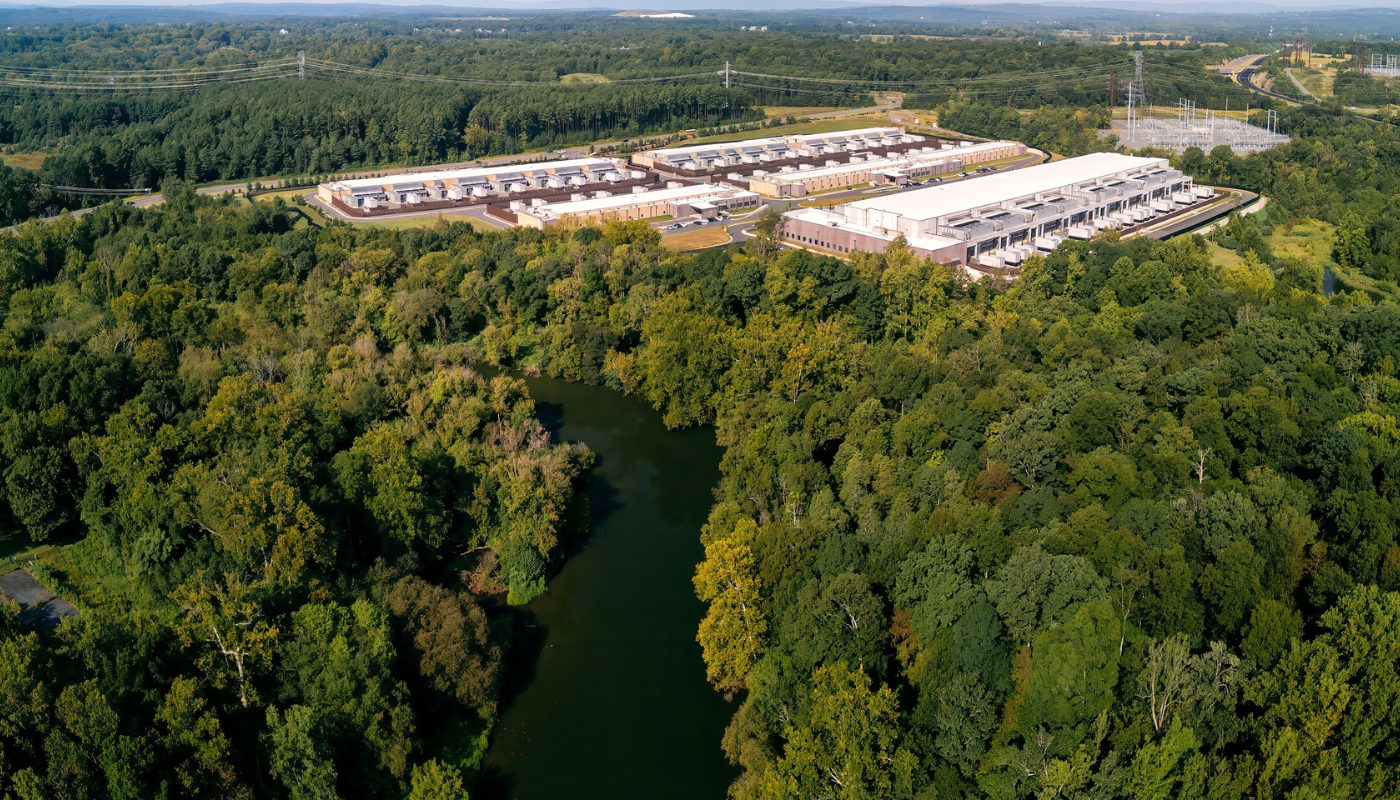
A data center in loudoun county, Va. Photo by Bill Macfarland
Earlier this year, American Rivers named the Potomac River the most endangered river in the country, citing the rapid data center sprawl in our region and the increasing strain it is putting on our waterways. In Loudoun County alone they have over, the highest concentration in the world.
The trend has prompted growing public alarm on a range of issues including impacts on water usage and quality, and threats to protected forest and stream corridors. In the last year, Potomac Conservancy has been joined by 450 supporters in calling on our leaders to require greater transparency and environmental studies for these facilities. It's clear that local voices are making a difference.
In September, Governors Wes Moore and Abigail Spanberger have both taken executive action to address the rapid growth of the data center industry, which is an encouraging sign that leaders across the Potomac River region recognize the need for greater oversight. But with data center development accelerating across the watershed, the need for stronger protection is urgent. While these actions are important steps forward, more immediate action is needed to protect forests, farmland, and water from the impacts of rapid data center growth.
Virginia’s Executive Order
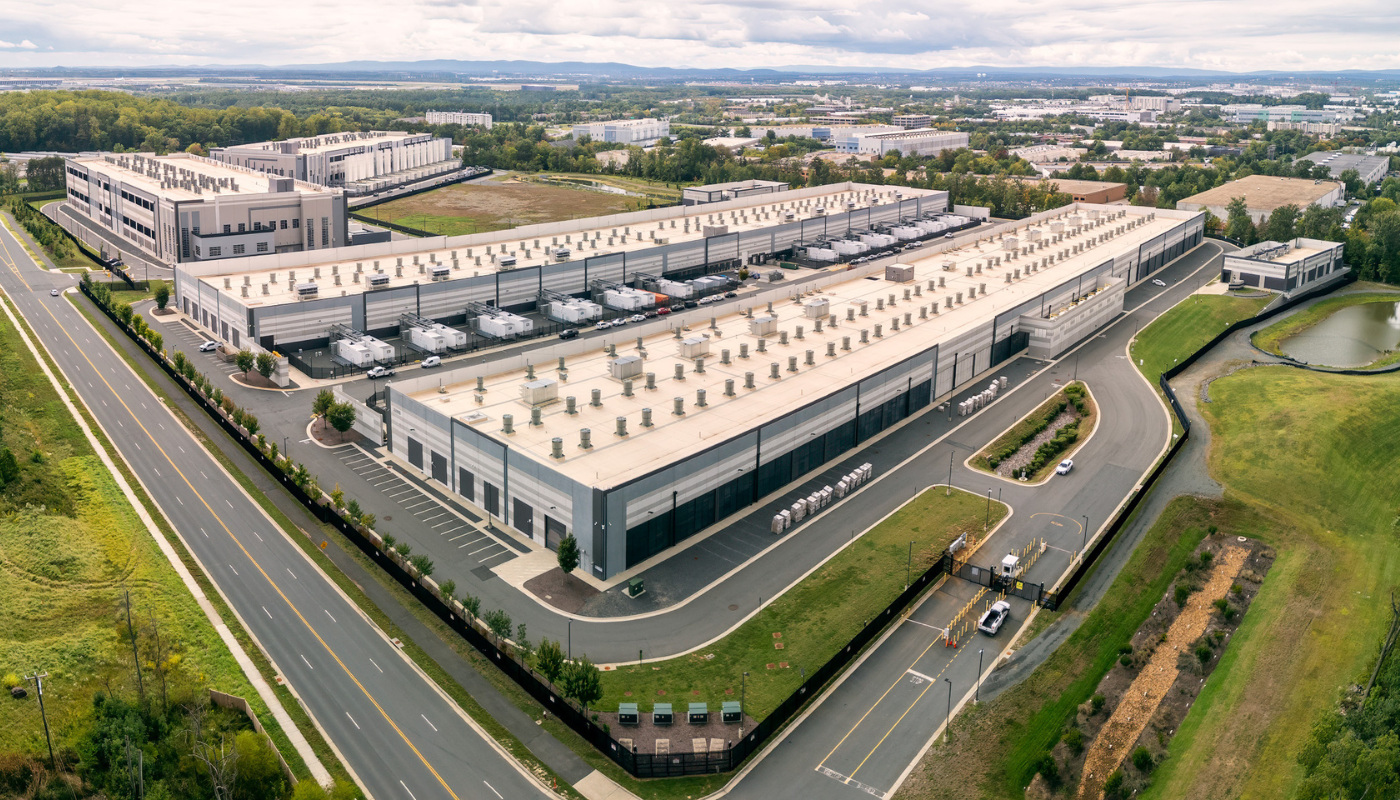
Data center in virginia. Photo credit: Bill Macfarland
In Virginia, Governor Spanberger signed Executive Order 22 that creates a framework to address transparency, environmental protections, energy costs, clean energy, and workforce development.
The order directs state agencies to review data center backup generation, accelerate noise regulations, develop planning and community engagement tools for local governments, and establish stronger practices around data center development. The Governor’s broader framework also proposes new standards for water use, land impacts, energy efficiency, and air emissions.
Maryland’s Executive Order
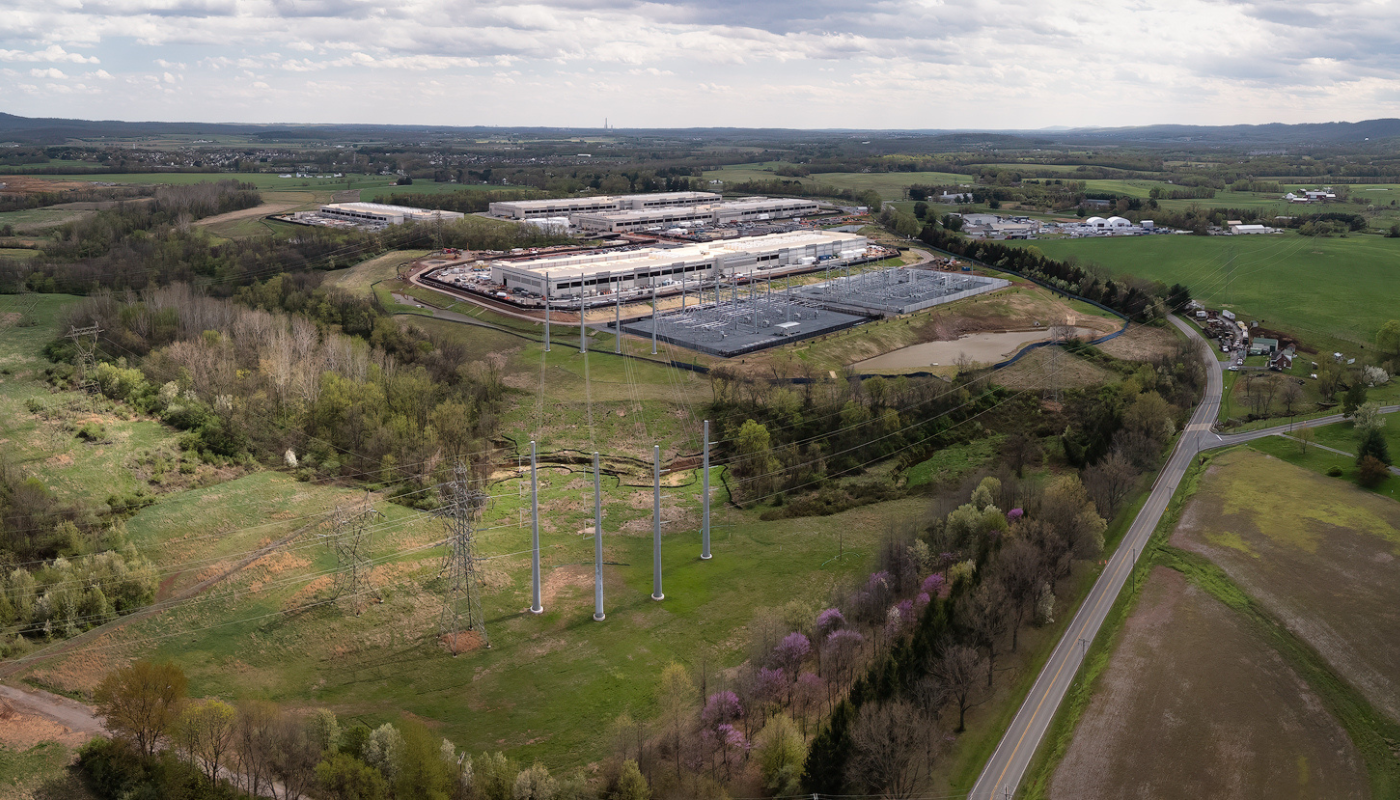
Data center in Frederick, MD. Photo credit: Bill Macfarland
Just days after Virginia’s Executive Order, Governor Moore signed Executive Order 01.01.2026.16 establishing a Responsible Data Center Development Framework for Maryland. The order creates a Maryland Data Center Task Force and a coordinated state review process for data centers using 25 megawatts of power or more when those projects seek state action.
Projects will be evaluated based on five principles, including environmental protection, community input, ratepayer protection, economic benefits, and transparency. The order also creates a public dashboard, that environmentalists have been advocating for, that will provide information including proposed projects’ locations, power demands, and projected water use.
Why does this matter now?
Back-to-back executive orders on both sides of the Potomac, signal both a significant shift in the role Maryland and Virginia play in data center oversight, and the power of local grassroots movements.
Up until recently, both Maryland and Virginia have been slow to respond to growing public concern about data centers' public health and environmental impacts. It was just a year ago that Gov. Moore tried and failed to veto a state law that established environmental research on data center impacts; the Conservancy was a part of the successful veto override effort with a petition that mobilized 270 residents to contact their legislators to stand up for the communities.
Large data center campuses require significant amounts of land and water to run. They’re also driving new transmission infrastructure and development pressure in forests, farmland, and other sensitive landscapes. Planning processes, task forces, and future standards are valuable, but they must be paired with strong and immediate safeguards that steer data centers away from natural resources that are already under threat.
Where does this leave us?
Potomac Conservancy appreciates both governors for recognizing that unchecked data center growth can have consequences for communities and natural resources. But the pace and scale of data center development across the Potomac River region demand protections that address impacts happening now.
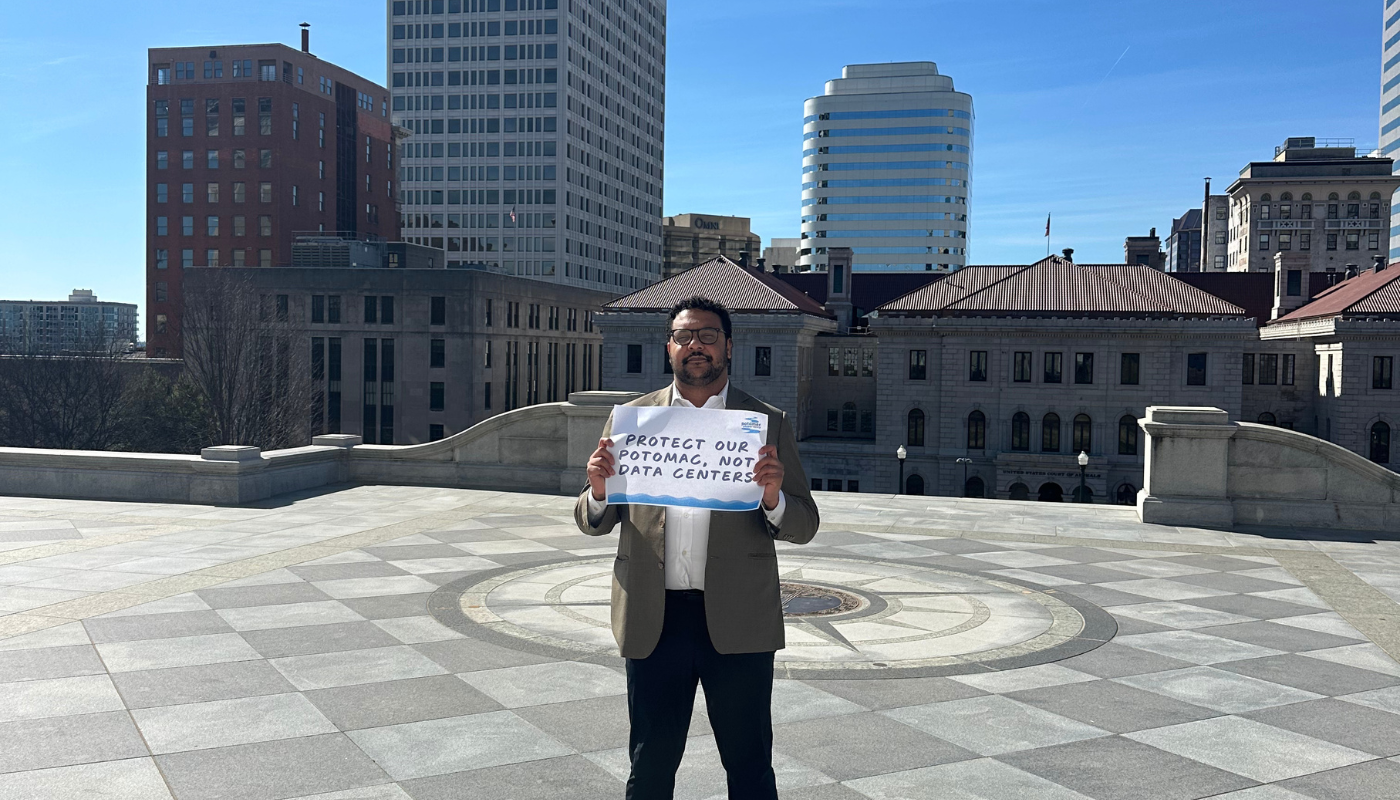
Potomac Conservancy’s virginia policy director, ken wright
There are measurable costs associated with these projects, harm to ratepayers, an increased likelihood of water shortages, and increased costs to businesses. There are also costs that cannot be measured; right now, we are fighting to preserve land in Frederick County, protect the fabric of communities in Fairfax and Montgomery County, and protect access to the outdoors across the Potomac River region.
Potomac Conservancy's policy experts are increasingly monitoring legislative movement on data centers, advocating with county and state leaders, and joining coalition efforts, including leading a Maryland sub-group that is looking at water impacts, specifically. Additionally, we are as passionate as ever about protecting our 15,000+ acres of conserved forests, streams, and working lands from the expansion of transmission lines, some of which are proposed to cut through six of our easement properties, threatening 4,500 acres.
As Maryland and Virginia continue developing their data center policies, Potomac Conservancy looks forward to working with both administrations and activists, like you, to ensure that technological and economic growth can occur while protecting the forested lands and waterways that sustain the Potomac River.
Ready to make a difference right now? Contact your county executives to demand transparency that protects the Potomac and our communities!
450 of your neighbors have already contacted their officials. Will you be next?



Something sinister is hiding in the forests of the Potomac River region, where invasive pests and disease are quietly killing native hemlock, beech, and ash trees. Their disappearance threatens more than the fall landscape, weakening forests that help prevent erosion, absorb polluted runoff, and protect the Potomac River. This spooky season, learn what is haunting our trees and how you can help protect the forests that keep our river clean.