
A deadly secret hidden in the hills of the Potomac River Region
/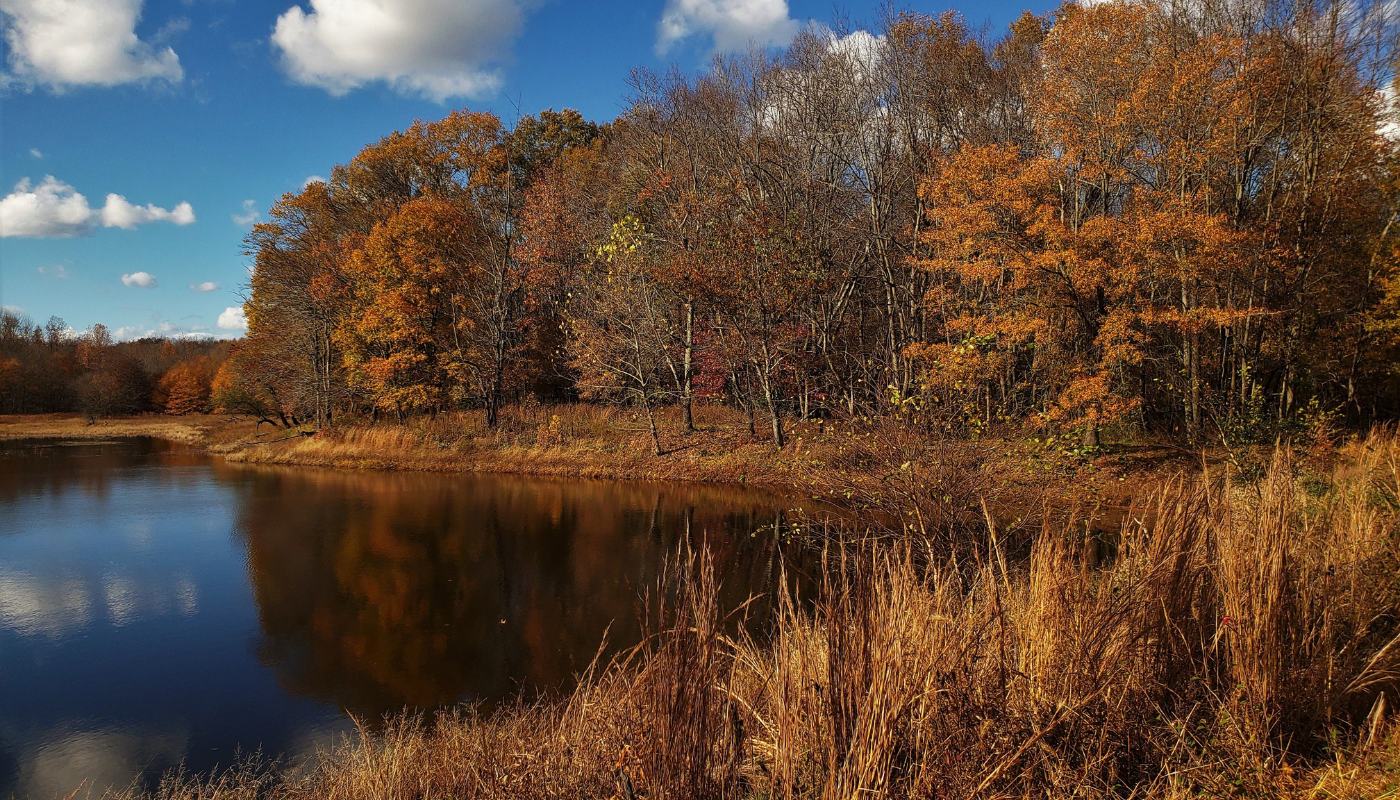
Fall Leaves over water - Photo credit: Matthew Beziat CC BY-NC 2.0
An undercover threat is hidden in the rolling hills and mountains of the Potomac River region. Enormous skeletons loom, scattered through layers of vibrant fall foliage, concealing something sinister.
Nights grow longer; the cool autumn breeze creeps in; the leaves begin turning shades of amber, red, orange, yellow, and brown; but their ghostly neighbors have been dead and dying for a while.
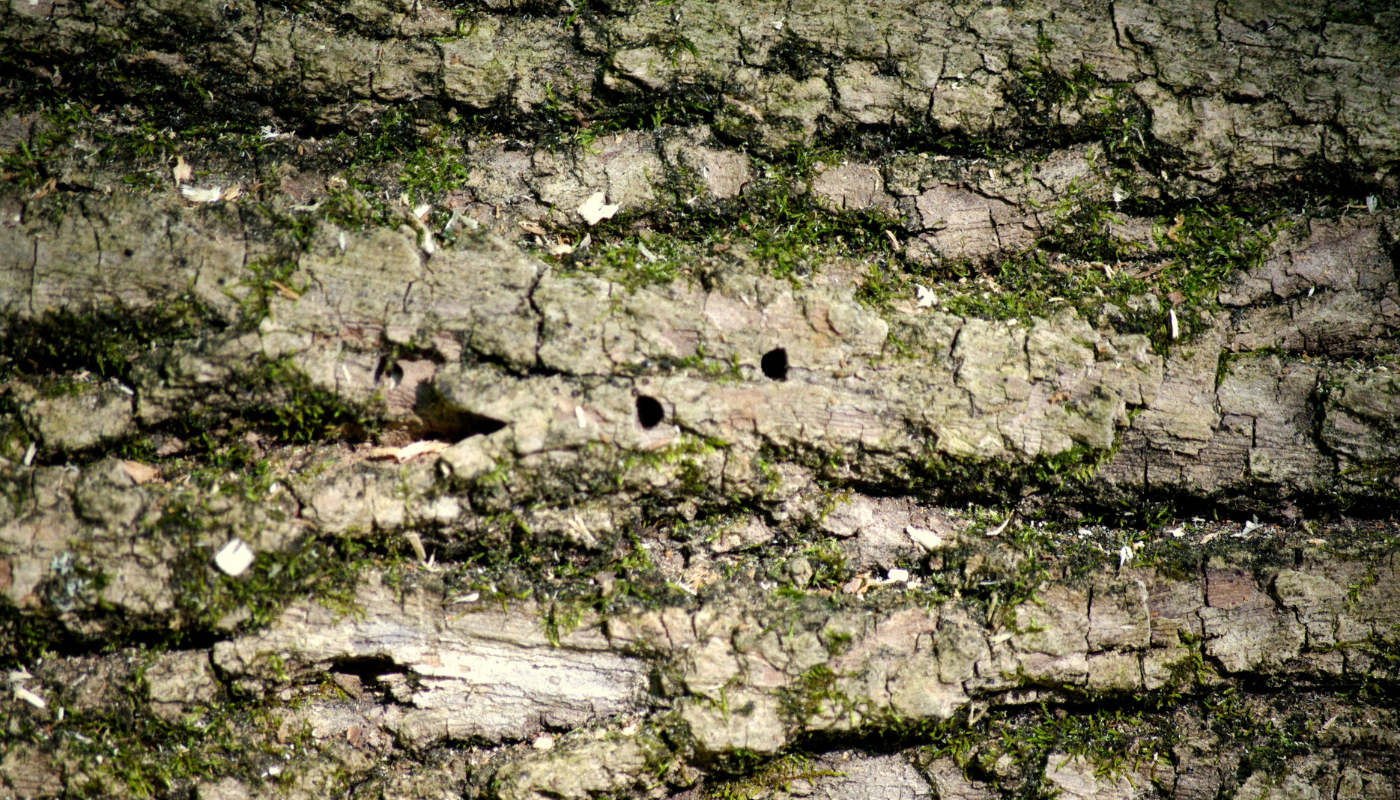
Infested mossy bark - photo credit: Anna Hesser CC BY-NC-ND 2.0
It’s a race against the clock to save the dying legacy of our native trees, scarring our forests and maybe your fall photos too!
What is this mysterious plague that has been claiming the lives of the trees in our region? Which trees are being affected, and what can be done about it?
The three at greatest risk
1. The Eastern Hemlock– is the first victim on our list, becoming increasingly uncommon in our region. The Eastern Hemlock usually grows along north-facing slopes next to streams, providing much-needed shade. Regardless of age, Hemlocks have lost their lives to attacks by the hemlock woolly adelgid (Adelges tsugae) and Elongate hemlock scale (Fiorinia externa).
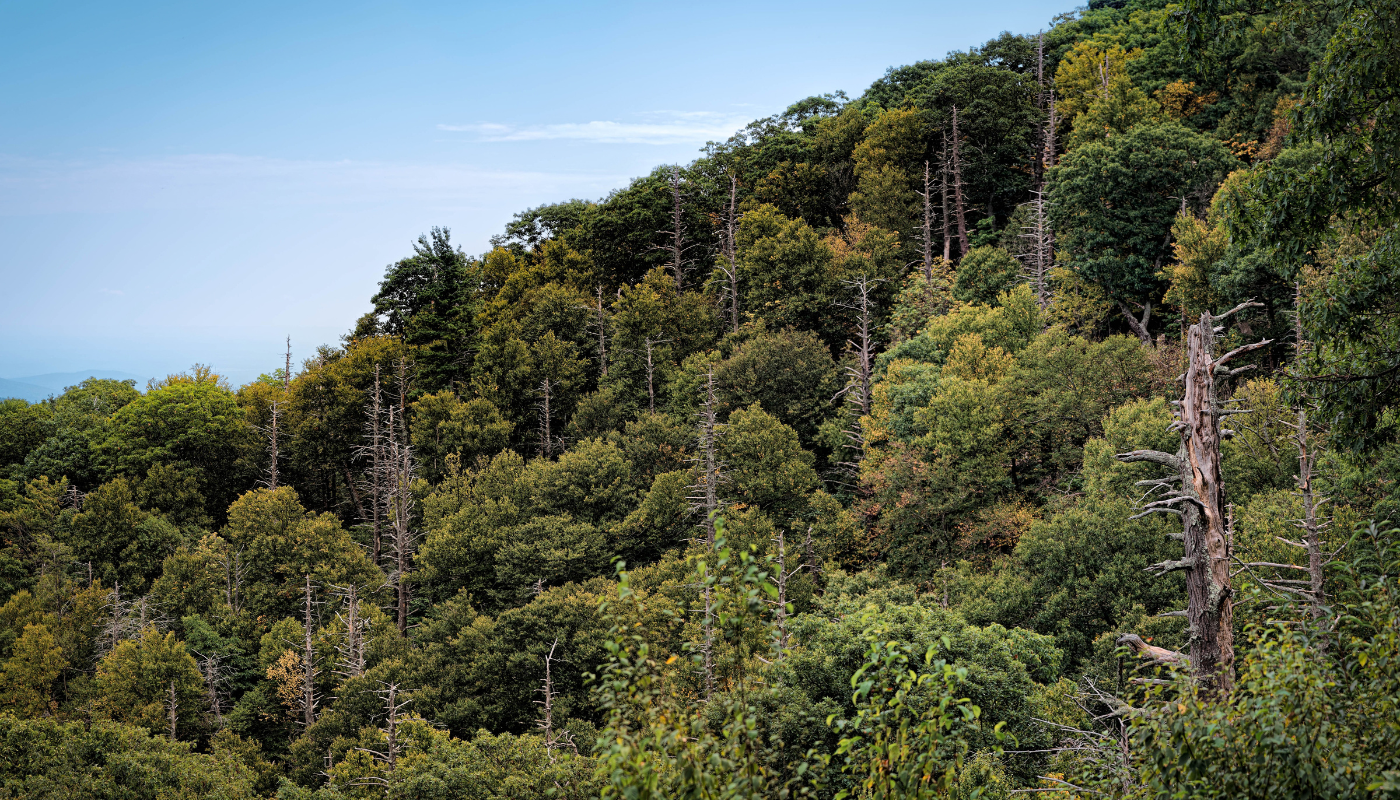
Dead eastern hemlocks in forest - Photo Credit: Ed Rosack on Flickr
These trees are being replaced by other deciduous trees that don’t provide the same level of shade. Because this ongoing eradication has multiple culprits, it is one of the most threatened conifer species in the region. The climate crisis and impacts from insect pests make it difficult to keep up.
2. Beech trees– are next in line as victims of this plague. Creepy-crawly nematodes disrupt bud and leaf development, causing the leaves to thicken, curl, wilt, and die. Beech trees have a limited lifespan after infection, slowly losing their strength against this unwelcome tenant.
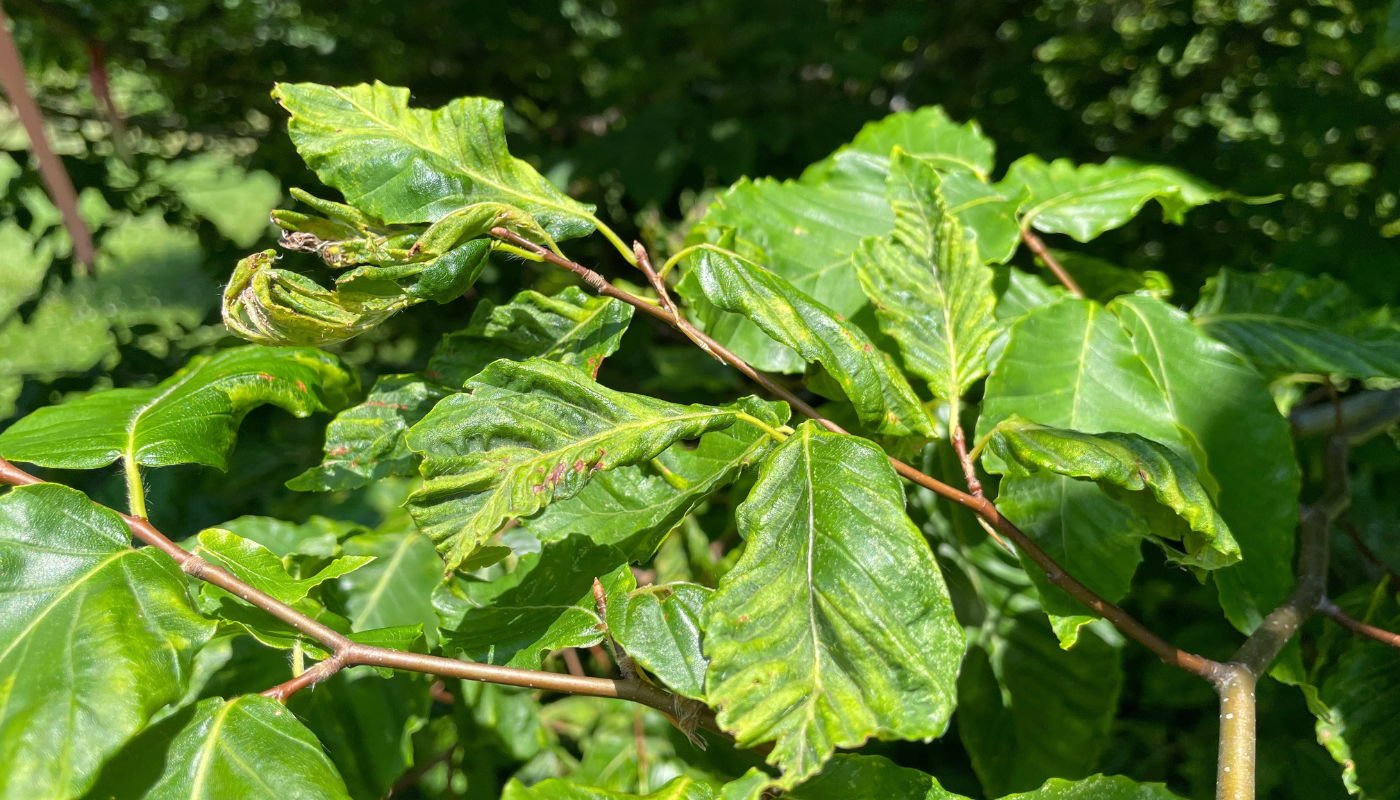
wilting beech leaves - Photo credit: matt borden CC BY-SA 4.0
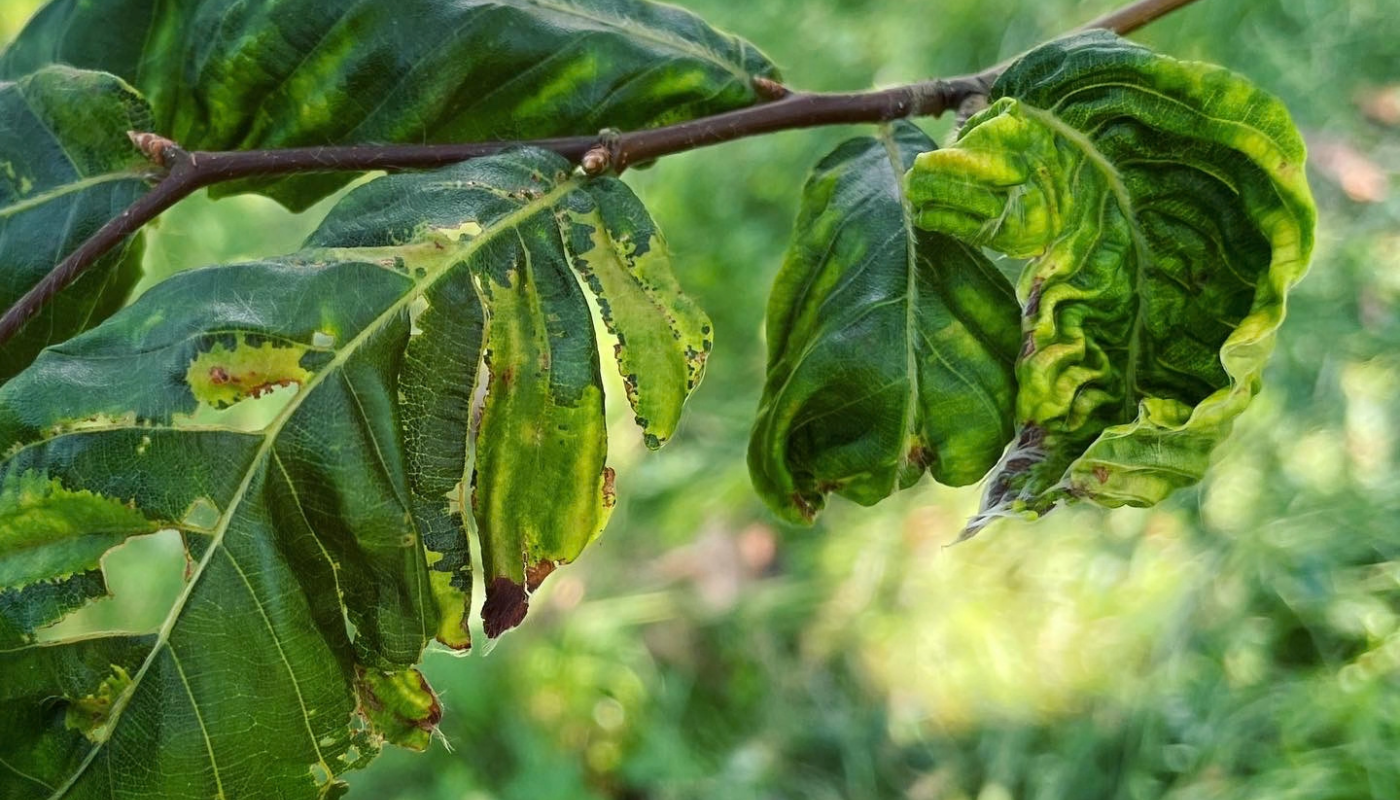
close up wilting beech leaves - photo credit: matt borden CC BY-SA 4.0
3. Ash Trees– the case of our third victim is possibly the most grim. Since 2014, existing populations of Ash trees have been ravaged internally by the Emerald Ash Borer. Their larvae attack mature trees underneath their bark, devouring the organs that carry water and other vital nutrients around the tree.
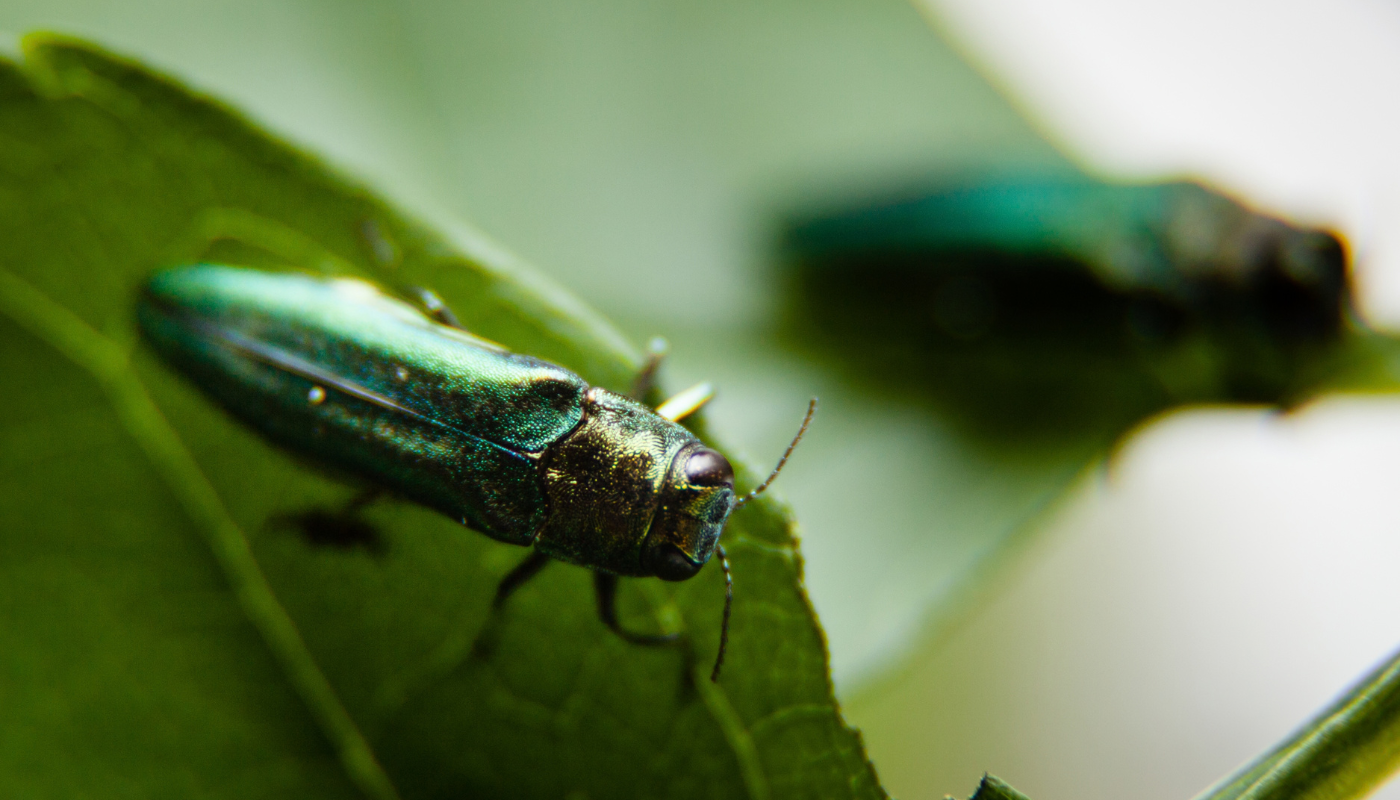
emerald ash borer - Photo credit: chesapeake bay program CC BY-NC 2.0
This beetle is highly invasive and almost exclusively targets ash trees, although it has been known to feast on some others as well. The mortality rate from these pests is one hundred percent, with the number of native ash trees in steady decline.
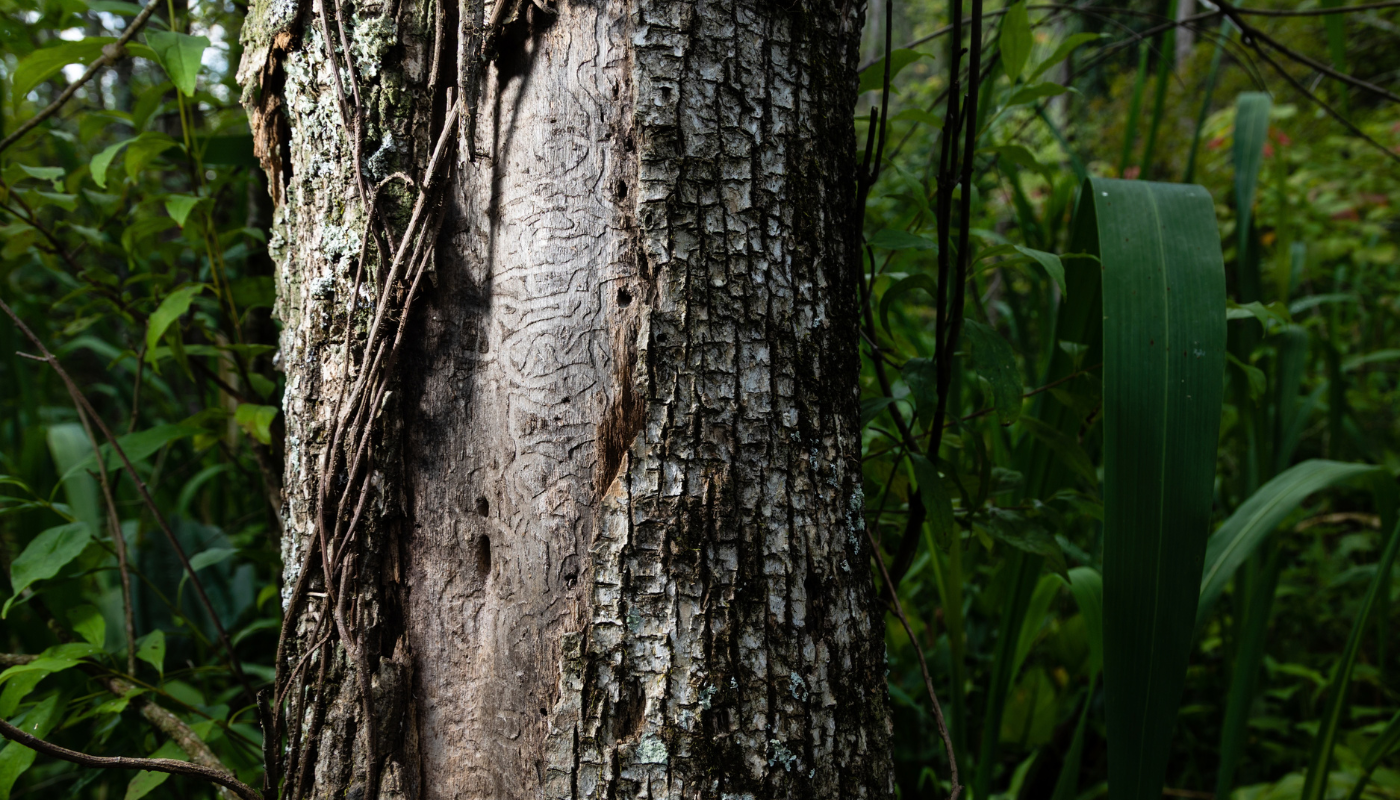
tree ravaged by ash borer - photo credit: CC BY-NC 2.0
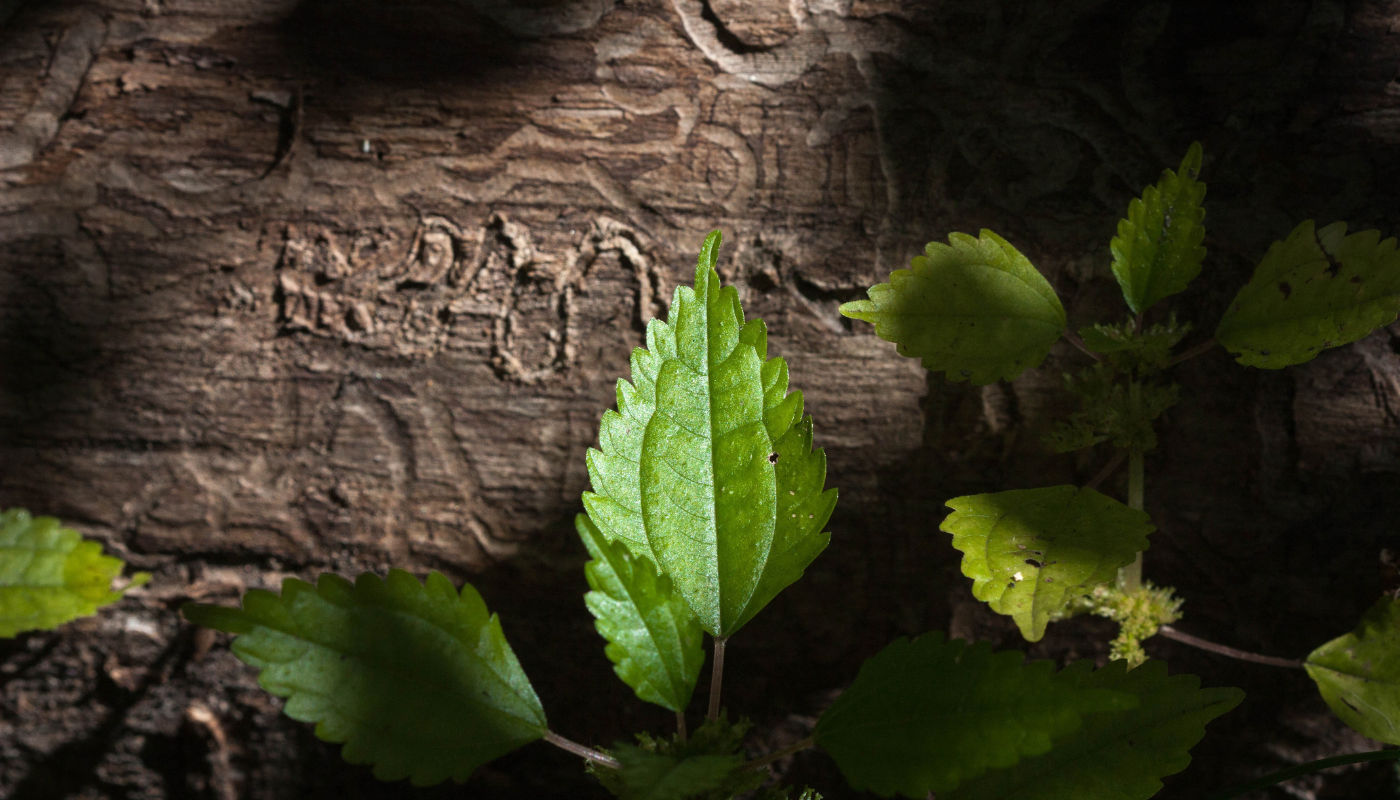
ash borer damage with ash seedling - photo credit: Van Waffle on flickr
Although, ash trees are particularly resilient when it comes to reproduction, with rates of ash tree seedling production consistently rising.
Damage beyond the bark
The spookiest thing about these pests is how invisible they are. Arboreal beauties lose their lives silently, leaving behind their skeletal remnants. This quiet decline threatens our river, too. Trees act as sponges, absorbing runoff and excess rainwater, reducing pollution in the Potomac River. Trees in our region are disappearing at a rate of 100 acres per day.
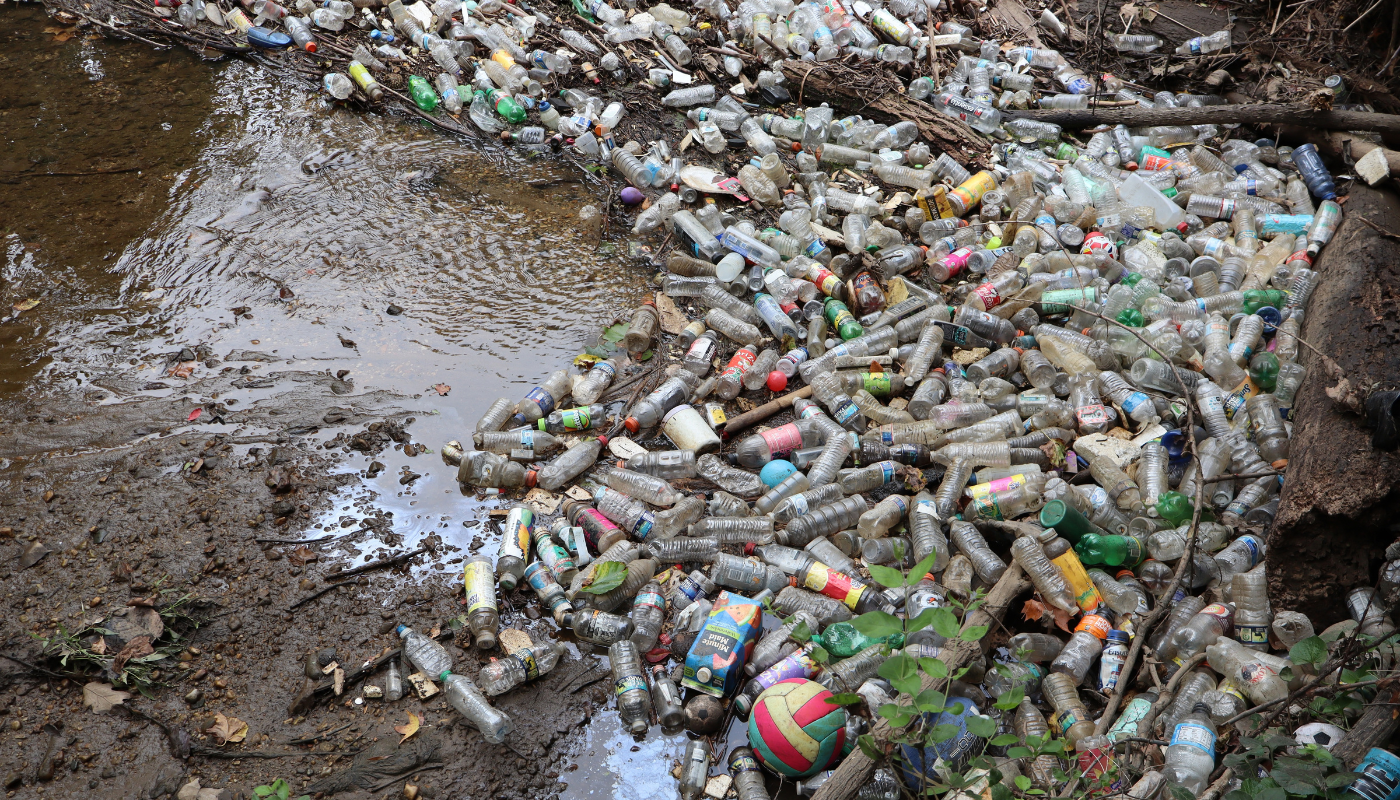
trash damming stream
This gets spookier when we think about the Potomac. Our tall leafy friends help regulate rainfall, determine where it flows, and how it returns to the atmosphere. Riverbanks risk eroding without strong roots to hold them in place, and pollution is even more likely to enter our waterways before trees can absorb and break it down.
Pests and plastic? The horrors!
One way we can help protect the trees still with us is by joining us for a trash cleanup. Pests aren’t the only threat to our trees; plastic also severely harms the health of our forests.
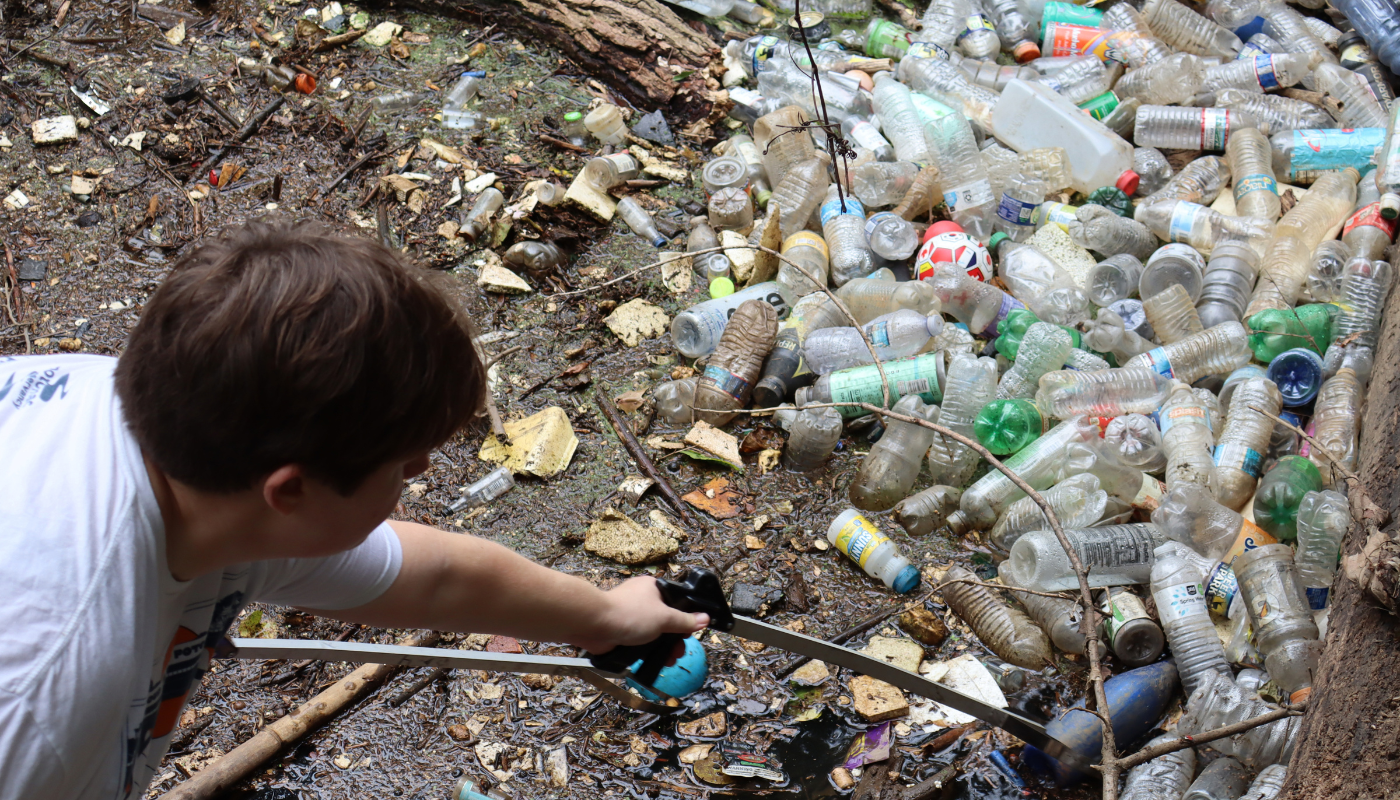
volunteer cleaning up trash
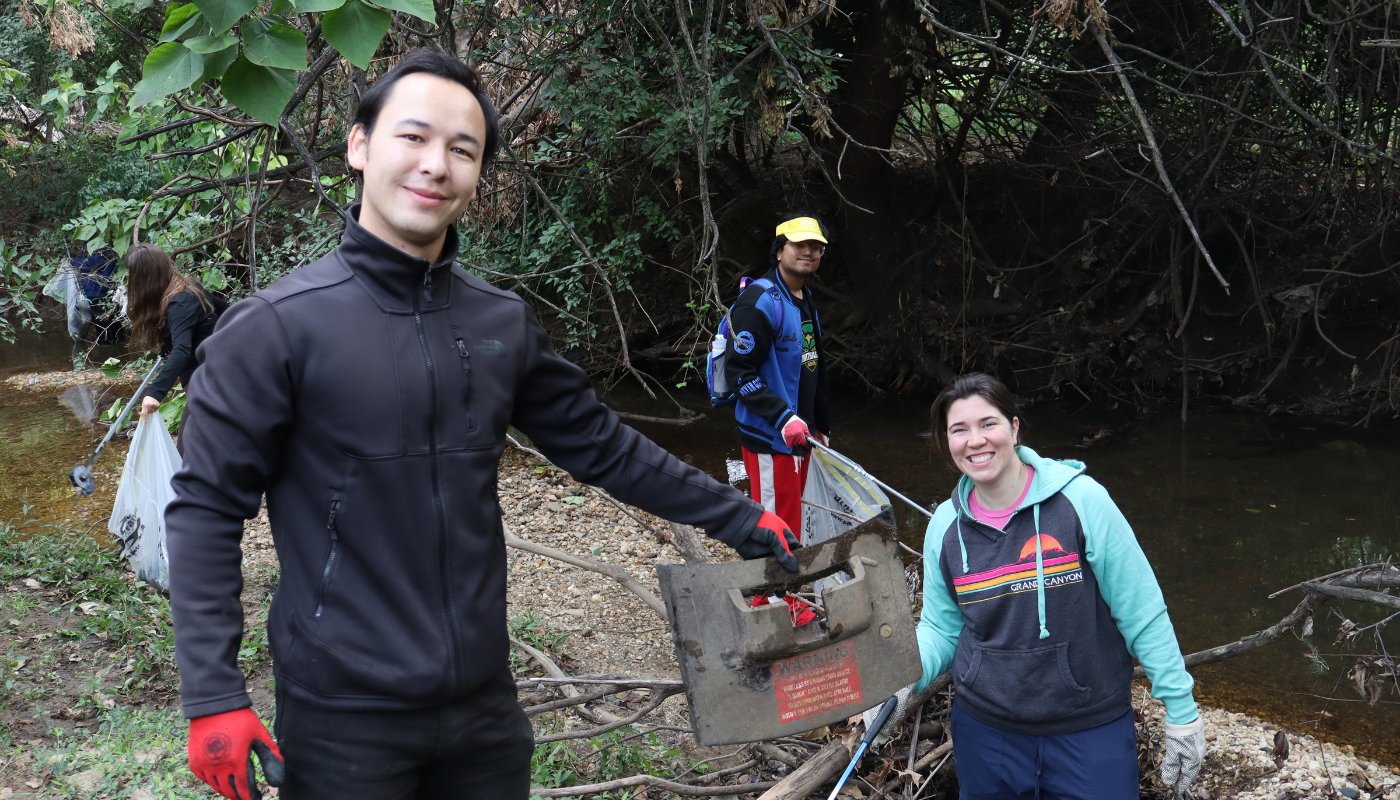
volunteers cleaning up trash
At Potomac Conservancy, we’re committed to fighting pollution in our region, and while pest control isn’t in our neck of the woods, protecting our trees is a multifaceted issue that requires everyone's participation.
Find more ways to get involved with Potomac Conservancy, whether by showing up and showing out for a trash cleanup or by making a donation.


Something sinister is hiding in the forests of the Potomac River region, where invasive pests and disease are quietly killing native hemlock, beech, and ash trees. Their disappearance threatens more than the fall landscape, weakening forests that help prevent erosion, absorb polluted runoff, and protect the Potomac River. This spooky season, learn what is haunting our trees and how you can help protect the forests that keep our river clean.