
Need more shade? Here’s how tree equity is paramount in the face of the climate crisis and rising temps
/As climate change drives hotter summers, expanding tree cover can help cool neighborhoods, keep river temps down, improve public health, and build more resilient communities.
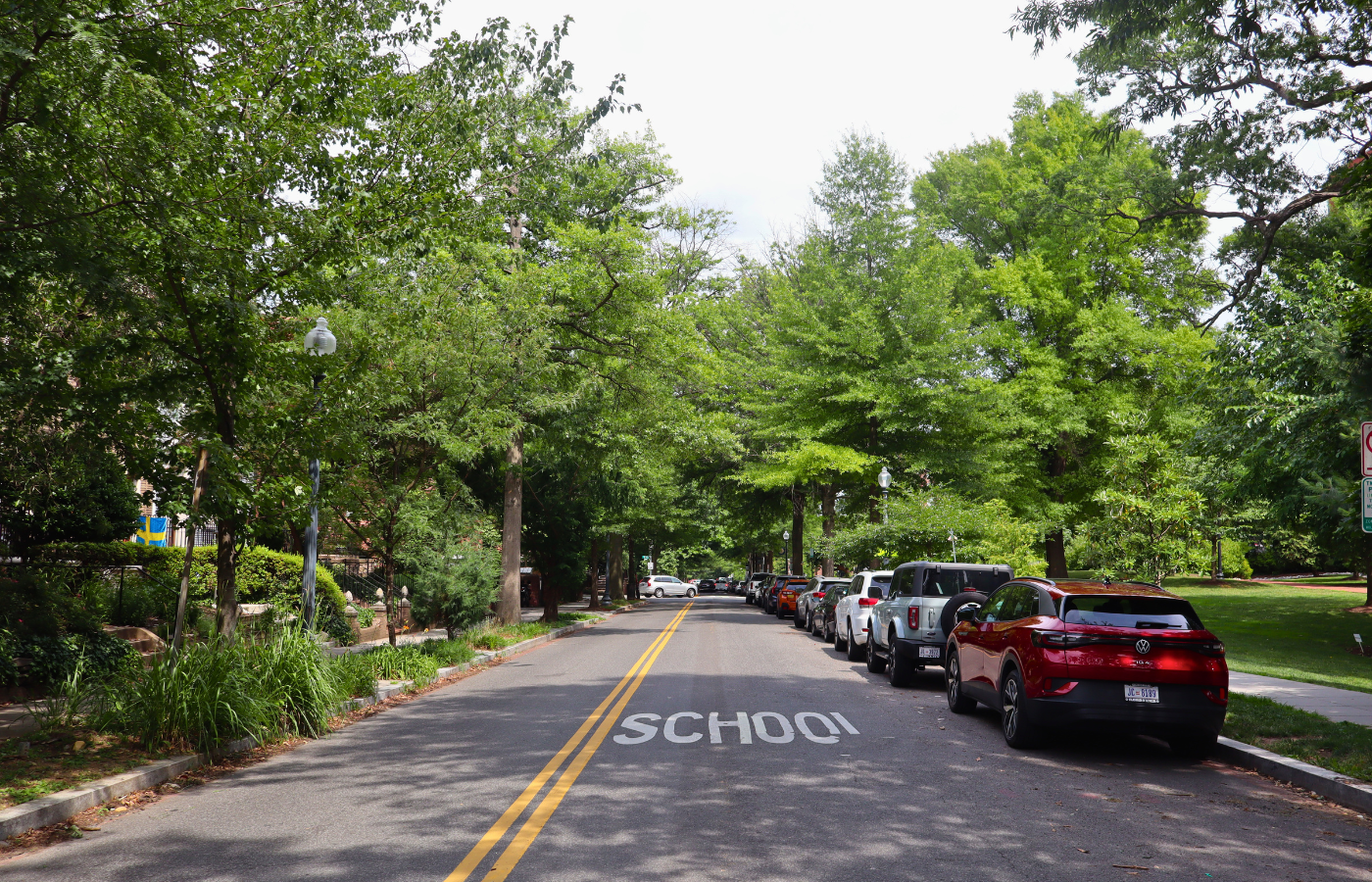
Tree coverage in Northwest DC
Even within the Potomac River region, temperatures can vary dramatically between neighborhoods just a few miles apart.
Across the region, communities with fewer trees often experience higher temperatures, higher energy costs, and greater health risks during extreme heat. As the climate crisis drives hotter summers and more frequent heat waves, tree equity is becoming an increasingly important tool for protecting both people and local waterways.
What is tree equity?
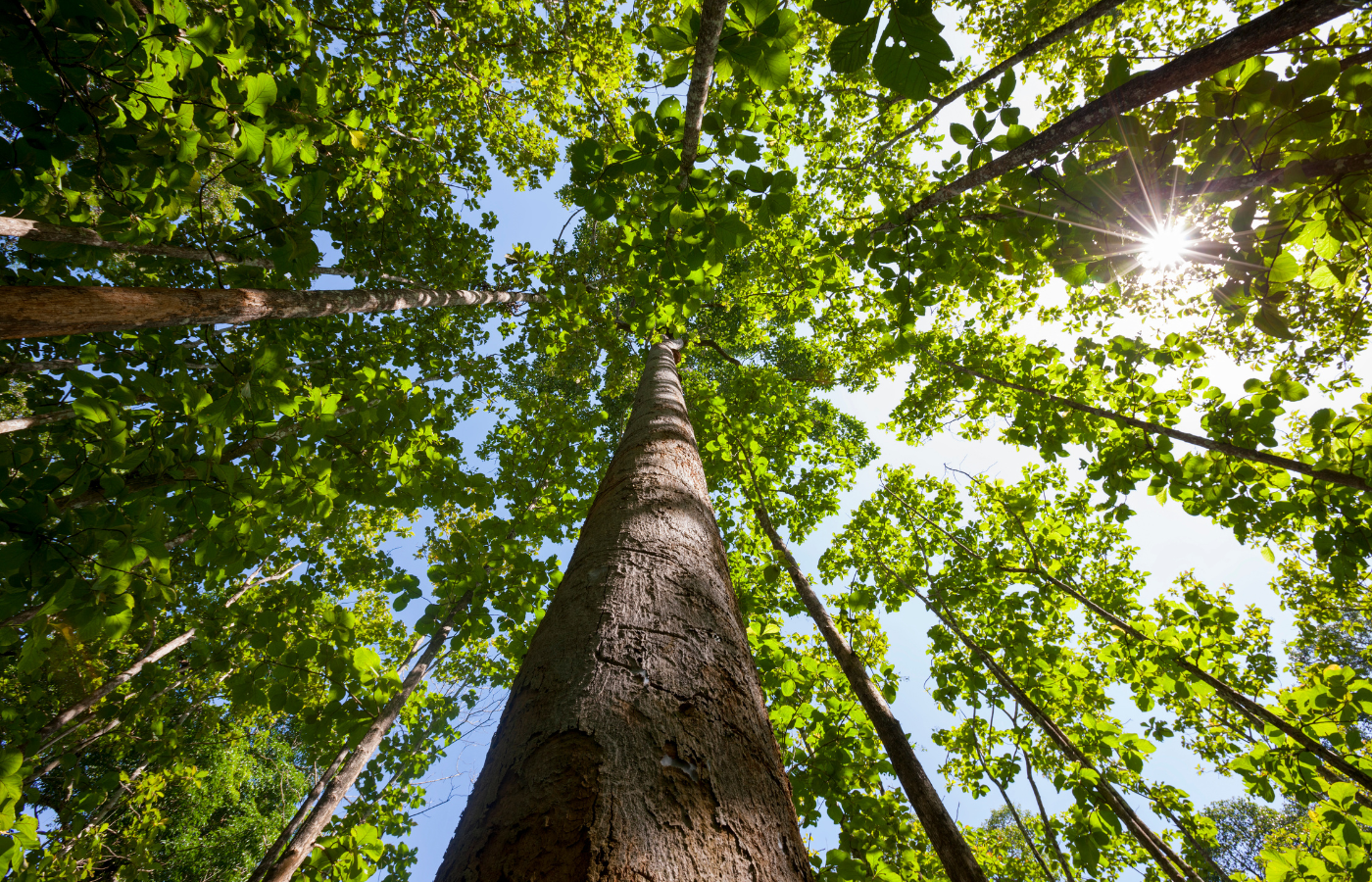
Looking up at a tree in the summer
Tree equity means ensuring every neighborhood has enough tree canopy to provide the benefits trees offer, regardless of income, race, or ZIP code.
Trees are critical infrastructure, just like roads, stormwater systems, and drinking water pipes. They cool down neighborhoods, improve air quality, reduce flooding, and make communities healthier and more resilient.
D.C. has the nation's best park system. So why are some neighborhoods still hotter?
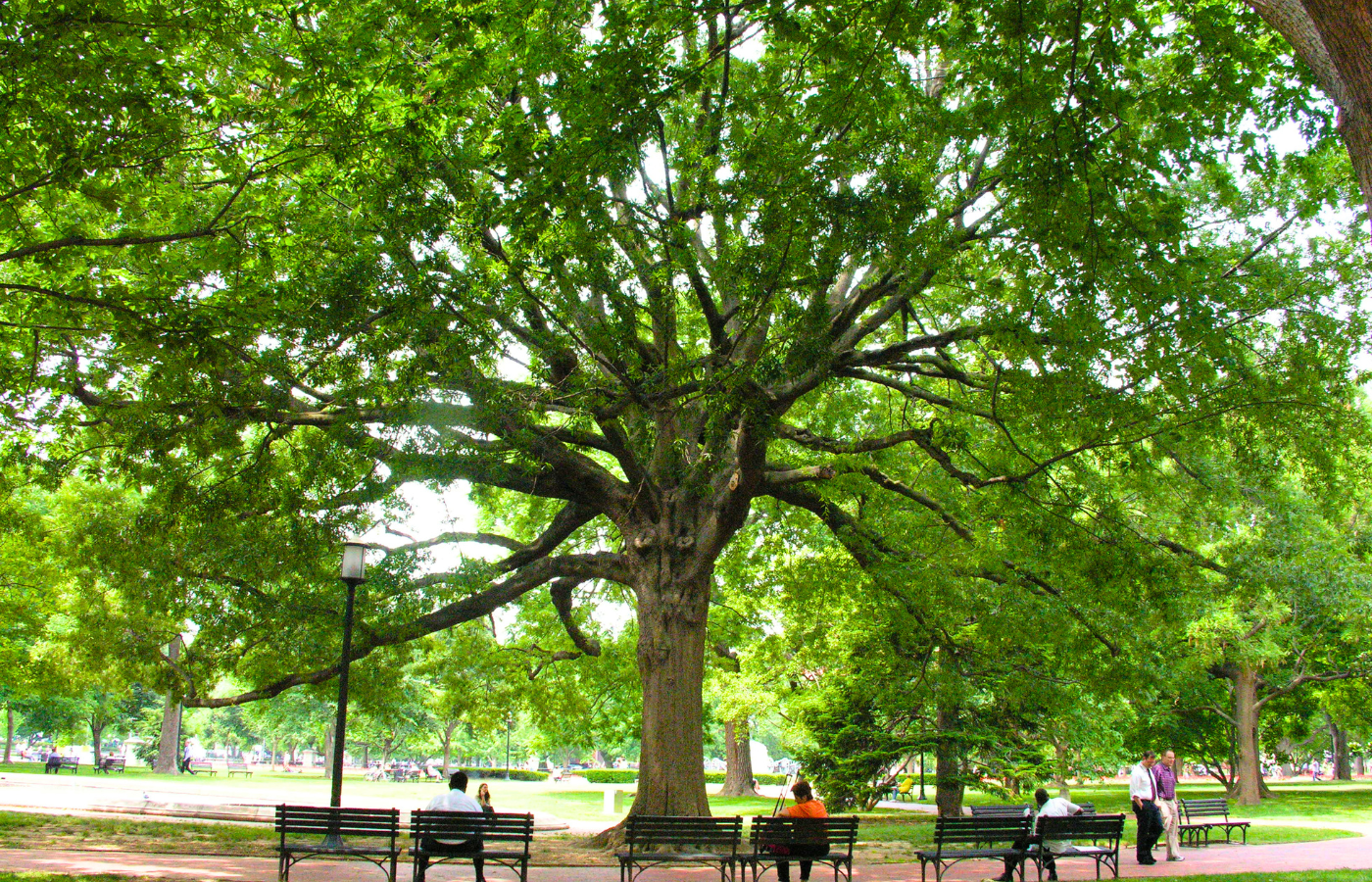
Christine Schmidt via flickr
Washington, D.C. earned the top spot in the Trust for Public Land's 2025 and 2026 ParkScore rankings, making it the nation's highest-rated large-city park system. Nearly every resident lives within a 10-minute walk of a park.
And that's something worth celebrating! Parks provide places to exercise, connect with nature and build stronger communities.
But park access doesn't always equal tree equity. Tree canopy coverage and heat exposure can vary significantly from one neighborhood to another. Some communities have shaded streets and mature trees, while others have few trees and large expanses of pavement that absorb heat throughout the day.
To get an accurate look at tree equity, you need to go beyond park boundaries to identify where shade is needed most.
Why are some neighborhoods hotter than others?
One of the reasons is the urban heat island effect. Roads, sidewalks, rooftops and parking lots absorb and store heat from the sun, causing neighborhoods with more pavement and fewer trees to become much hotter than nearby areas with greater tree cover.
These temperature differences also often overlap with neighborhoods that have historically experienced racial and economic injustice and discrimination, leaving many low-income communities and communities of color more vulnerable to the impacts of extreme heat.
How trees help cool communities and combat the climate crisis
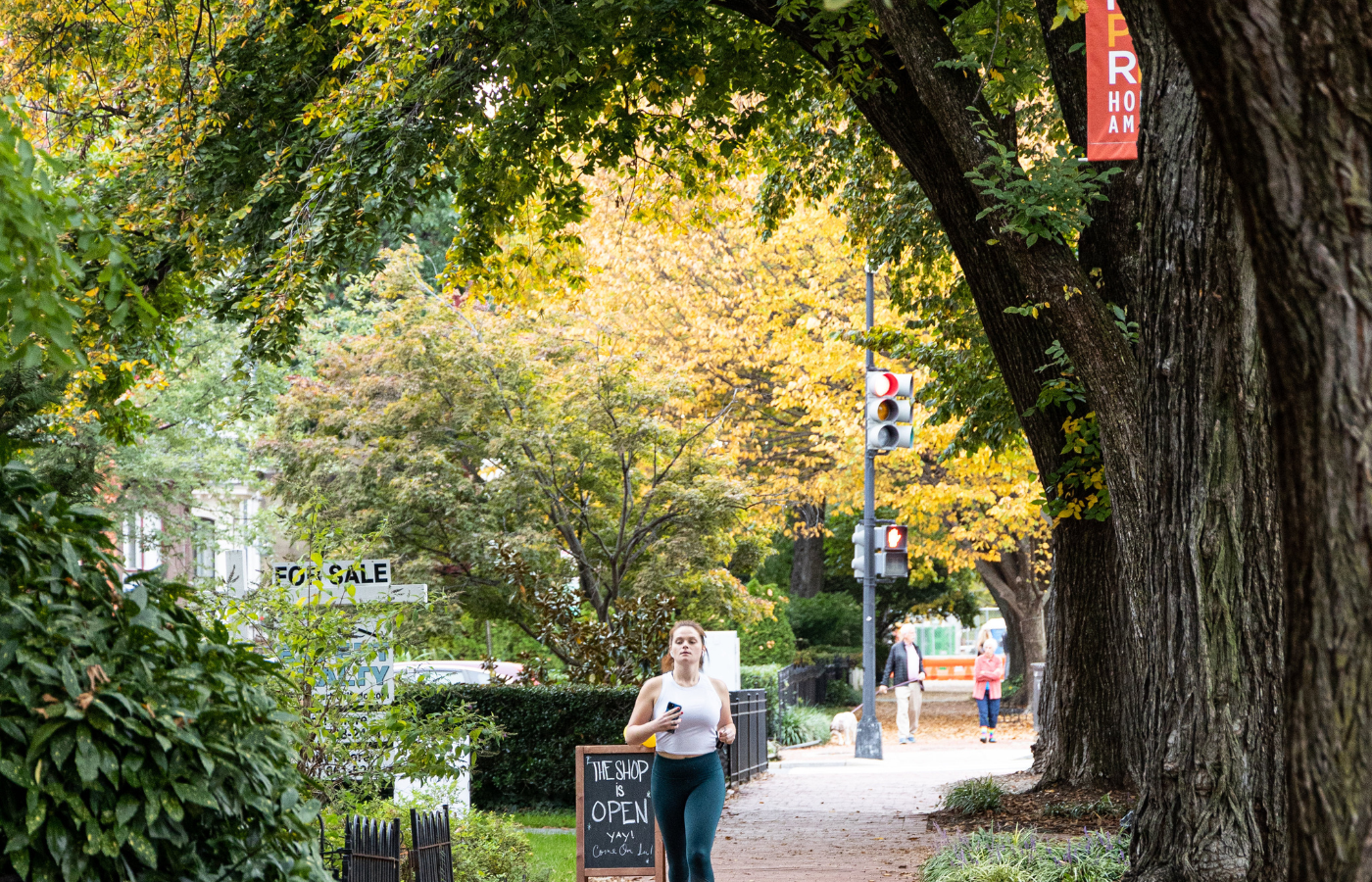
Billy Wilson CC BY-NC 2.0
Trees naturally cool communities in several ways. Their canopies provide shade that lowers temperatures on sidewalks, roads, playgrounds and buildings. Plus, through evapotranspiration, trees release water vapor into the air, helping reduce surrounding temperatures.
Shaded pavement can be dramatically cooler than pavement exposed to direct sunlight, making neighborhoods safer and more comfortable during the hottest days of the year. Trees can also reduce household energy costs by lowering the need for air conditioning during the summer.
Their benefits extend beyond cooling. Trees help absorb rainfall, reduce erosion and slow polluted runoff after intense storms, which are becoming more common as climate change fuels periods of extreme heat followed by heavy rainfall.
Why tree equity matters for public health
Extreme heat is one of the leading weather-related causes of death in the United States, and the risks continue to grow as summers become hotter. Neighborhoods with fewer trees often experience greater exposure to dangerous heat, increasing the risk of heat exhaustion, heat stroke and other health complications.
Trees help reduce those risks by cooling neighborhoods, improving air quality, and creating safer outdoor spaces where people can walk, exercise, and gather. As the Potomac River region experiences more frequent and intense heat waves, access to shades is becoming increasingly important for protecting public health.
Healthier neighborhood streams contribute to a cleaner Potomac, which supplies drinking water to more than 5 million people. Investing in tree canopy strengthens both communities and the waterways they depend on.
As the Potomac River region faces hotter summers and more extreme weather, expanding tree canopy helps create healthier communities, reduce flooding, improve water quality, and protect people from dangerous heat.
Tree equity is ensuring everyone has access to the cooling, health, and environmental benefits that trees provide. We all deserve to sit in the shade.


From Olympians to politicians, people from all walks of life and across the ages have come to the river for recreation, relaxation, and community. Whether you prefer a serene solo float or heading out with friends, there’s a kayak destination you’re bound to love along the Potomac!