
What makes “the Nation’s River” so fascinating? Dive into the Potomac’s many claims to fame… and infamy
/The Potomac River being in the news is nothing new–it’s been making headlines since America’s earliest days.
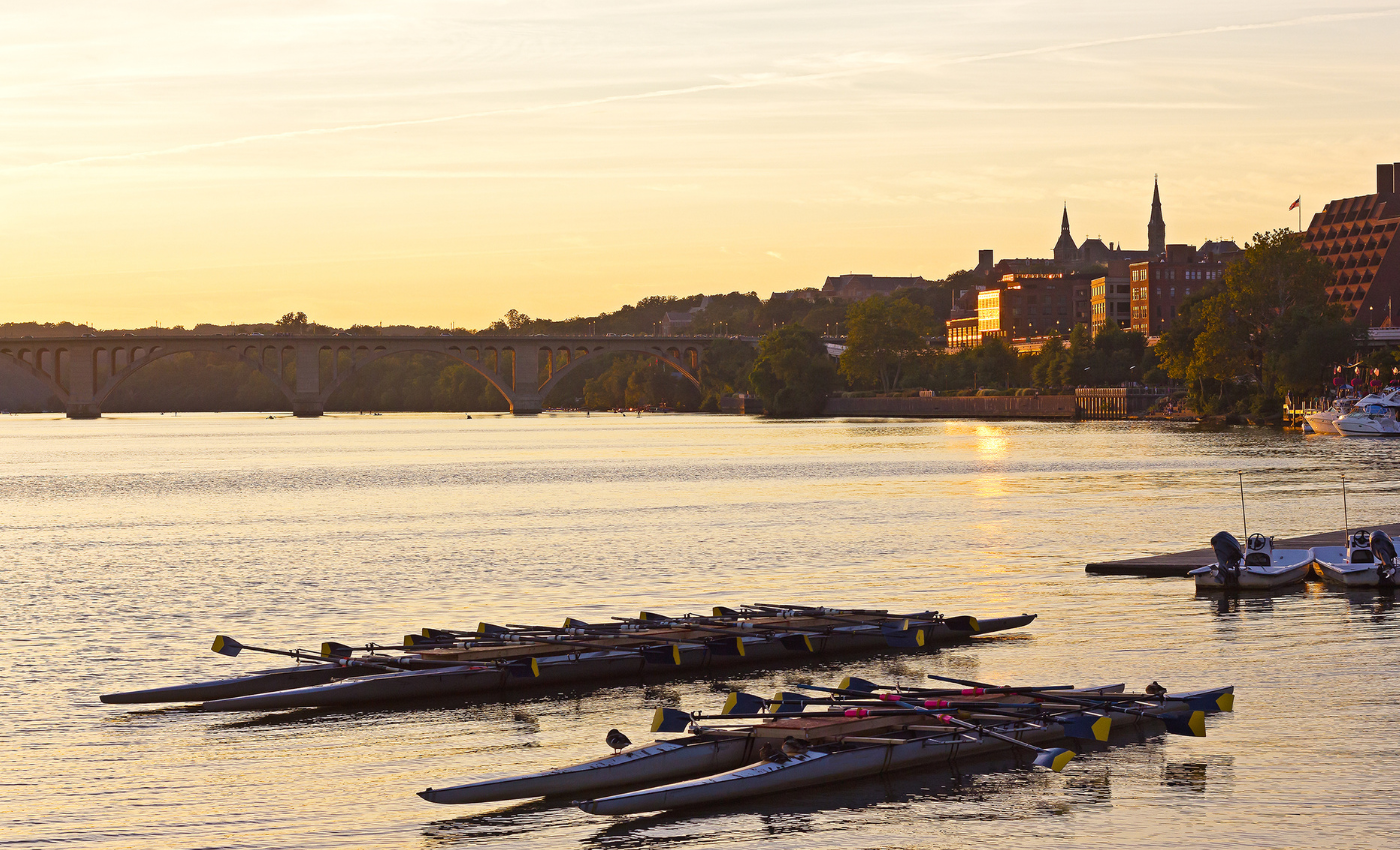
Potomac River near Georgetown waterfront at sunset
The Potomac River has had an incredibly challenging few years, frequently making headlines and garnering national attention for the first time in half a century. Earlier this year, it was ranked as America’s Most Endangered River for 2026, highlighting the dire need for accelerated investment in restoration and protection efforts to safeguard our drinking water, wildlife, and way of life.
But if the Potomac’s history has anything to say about its future, it’s that the river is capable of unbelievable comebacks thanks to the resilient and dedicated communities who have rallied time and time again to defend it. It’s hard to imagine that the Potomac’s greatest claim to fame was once being referred to as “a river of decaying sewage and rotten algae” by President Lyndon B. Johnson—because, after decades of conservation advocacy, the question we receive most often these days is why some places are still off limits for swimming and fishing!
Rich in history and biodiversity, it’s easy to see why the Potomac River has always attracted attention. There’s plenty of lore along these shores, and even seasoned residents of the region can always find more to discover.
Ready to put your river knowledge to the test? Read on!
What famous names and historical highlights of the Potomac River do you know?
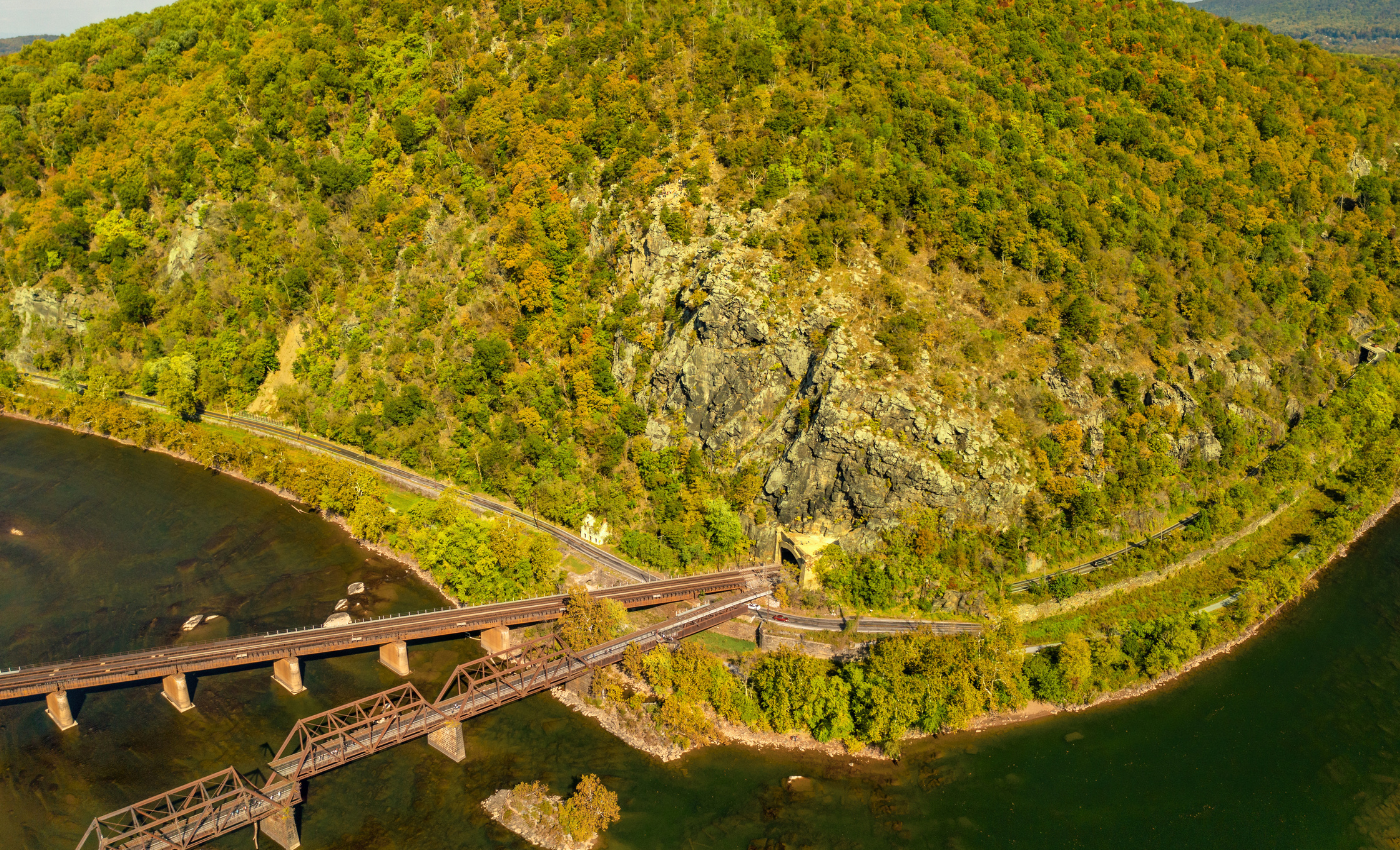
Aerial View of Harpers Ferry West Virginia and Potomac River
In the pre-contact era, the Potomac River was central to the Indigenous people of our region. The heavily resourced riverbanks became a meeting spot for trade owing to its abundant fish and nutrient-dense soil. You may know that “Potomac” is an anglicization of the village named Patawomeck, understood to mean ‘something brought,’ but it may surprise you to learn that the river’s current spelling was finalized by the Board on Geographic Names under a century ago!
Among the Potomac’s earliest surveyors, you’ll find some familiar names: Captain John Smith was the first colonist to make a record of Indigenous life in the area, creating the first map of the river’s surroundings in 1608. And George Washington’s early adulthood experiences as a land surveyor in Virginia sparked a lifelong fascination with the river, viewing his efforts to make the Potomac navigable to the Ohio River as one of his greatest goals.
Washington wasn’t the only president who took a liking to the Nation’s River: John Quincy Adams was known to take a daily river swim, and Herbert Hoover and George H.W. Bush were both fond of angling in the Potomac’s waters while in office
The famous places and landmarks of the Potomac River
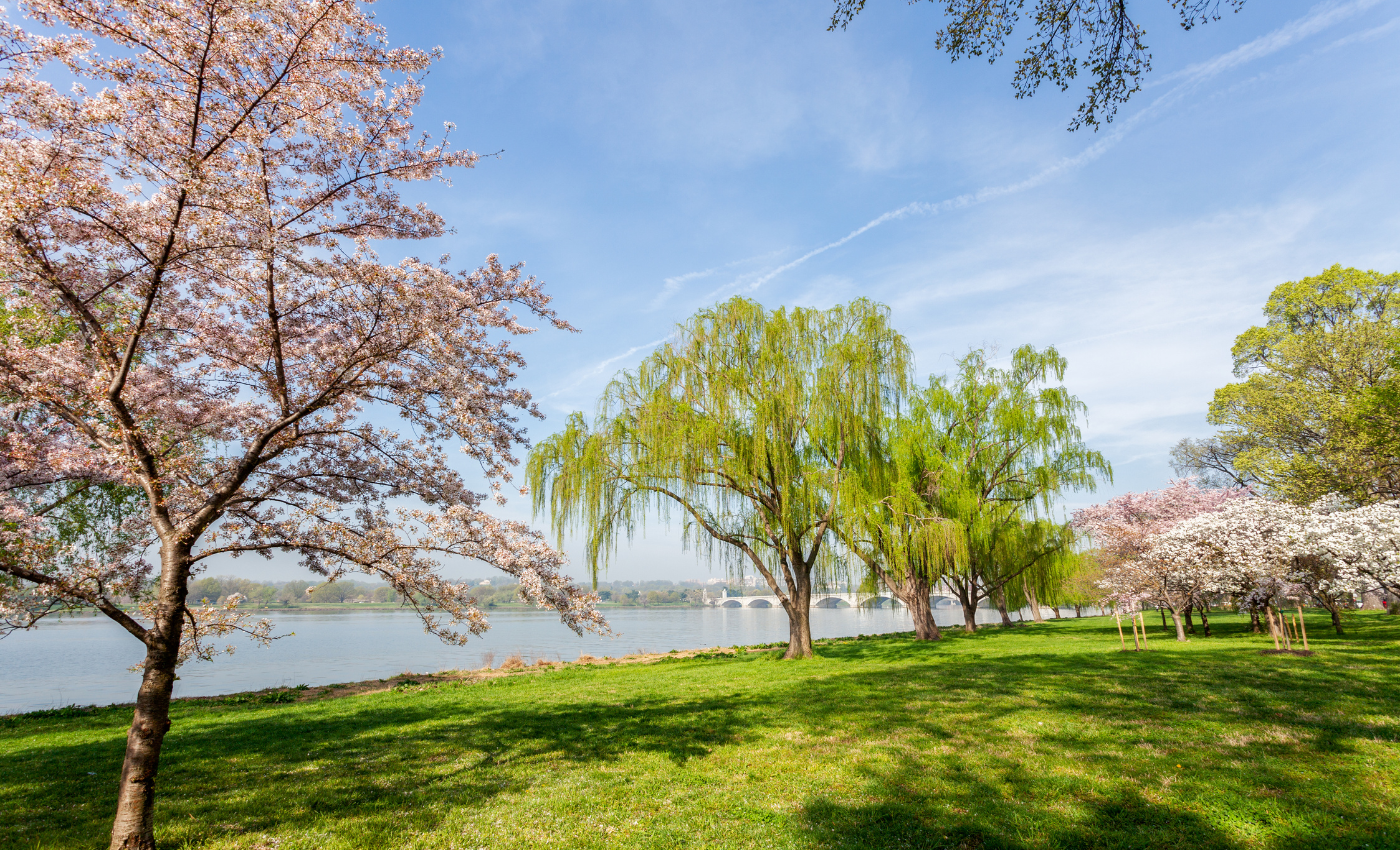
Cherry Blossom and Bridge on Potomac River, Washington DC
The District of Columbia’s most treasured and culturally significant spots are all a short distance from the Potomac’s banks: The iconic Washington Monument, the majestic Lincoln Memorial, and several of the Smithsonian’s beloved museums can be visited in a single jaunt without traveling too far from the river. It’s only a five-minute walk from the water’s edge to the Martin Luther King, Jr. Memorial, where visitors can honor the Civil Rights activist in view of several locations significant to the movement he led, including the National Mall. And each spring, the Potomac-fed Tidal Basin welcomes an astonishing 1.5 million visitors from all over the world to marvel at over 3,500 cherry trees bursting with ethereal blossoms.
Yoshino blooms aren’t the only tourist attraction on the Potomac: Over half a million people visit Great Falls Park, which spans the Potomac into both Maryland and Virginia, each year. From its breathtaking rapids to its miles of hiking and biking trails and year-round birding, it’s little wonder that Great Falls is the most visited park in our region!
For Revolutionary and Civil War history buffs, the Potomac River region is a hotbed of noteworthy landmarks. One of the most famous sites is West Virginia’s Harpers Ferry, which was a place of critical strategic significance during the Civil War due to its positioning at the confluence of the Potomac and Shenandoah Rivers. The setting for both the second-largest surrender of US troops in a single battle and John Brown’s uprising, today’s visitors can take a glimpse into the past thanks to the meticulous reconstruction of the town after the war’s devastation.
How the Potomac River shows up in media
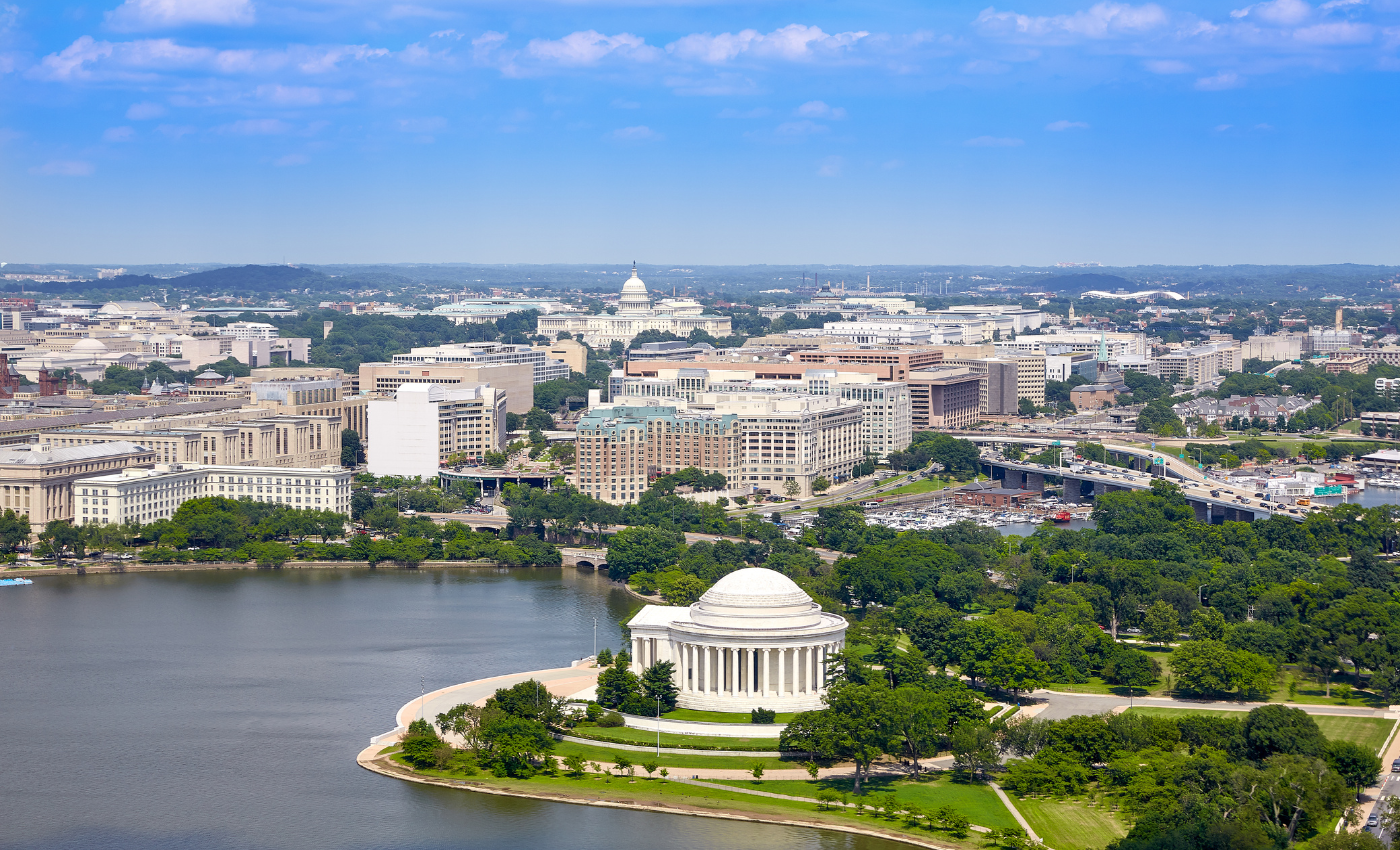
Cityscape of Washington DC with Potomac River in the foreground
The Potomac River is a star to us, but we’re not the only ones who think the Nation’s River deserves a spot on the silver screen! You can catch views of the Potomac in Captain America: The Winter Soldier and True Lies–or you can see the spots for yourself in a cinema-inspired walking tour.
The river has found its way onto smaller screens, too: Both Fallout 76 and Call of Duty: Black Ops 6 take place along the Potomac in Harpers Ferry.
A sampling of the famous figures who hail from cities and towns throughout the Potomac River region
The original Wonder Woman, Lynda Carter lived in Potomac, Maryland
Musician Duke Ellington was born and raised in Washington DC
Astronaut and senator John Glenn lived in Bethesda, Maryland
Actress Sandra Bullock was born in Arlington, Virginia
Boxing legend Sugar Ray Leonard grew up in Palmer Park, Maryland
Multi-hyphenate writer Issa Rae spent portions of her childhood in Potomac, Maryland
Tennis star Pete Sampras spent some of his childhood in Potomac, Maryland
Swimming Olympic champion Katie Ledecky was born and raised in Bethesda, Maryland
Actor Sylvester Stallone grew up in Silver Spring, Maryland
Figure skater and Olympian Ilia Malinin is from Vienna, Virginia
Comedian Gianmarco Soresi is from Potomac, Maryland
Actor Jason Sudeikis was born in Fairfax, Virginia
Want to help us keep the Potomac River famous for all of its amazing facets?
Pitch in by joining us at an upcoming cleanup or supporting our Potomac River Recovery Fund
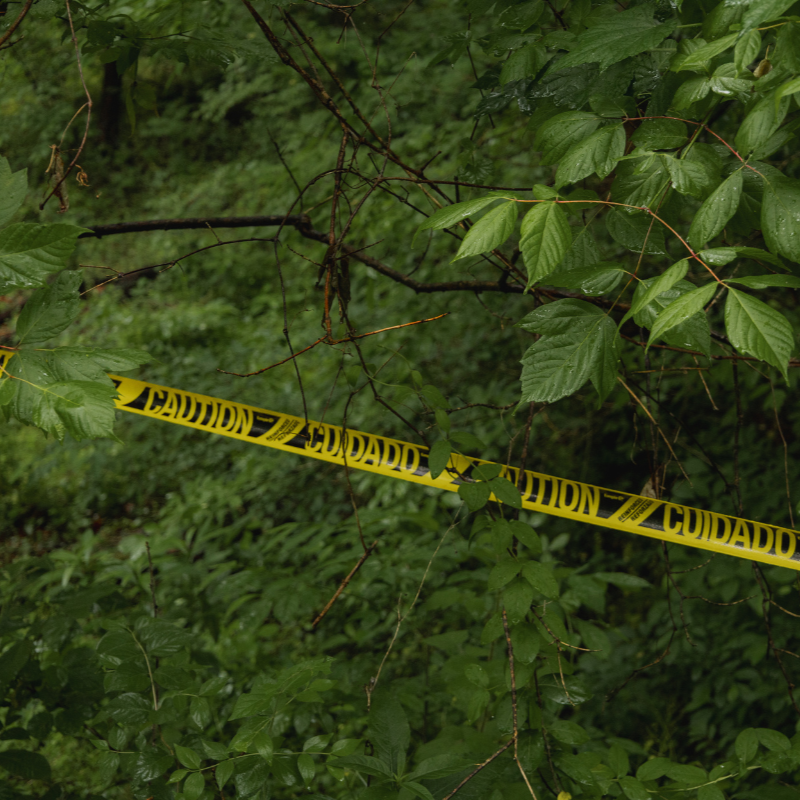
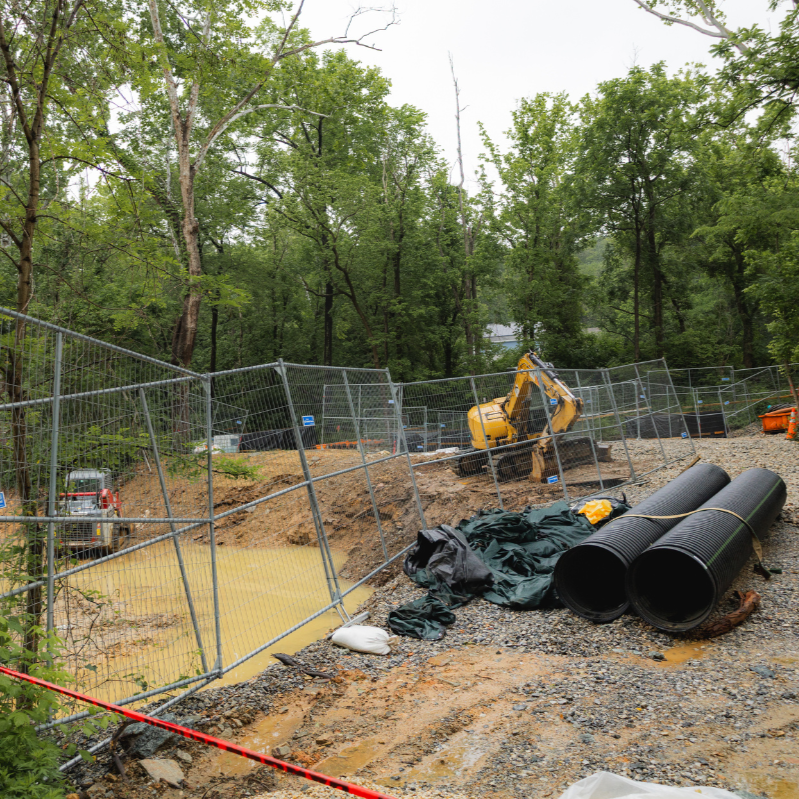


What you need to know about the January 2026 Potomac Interceptor sewage spill and how you can demand accountability and action.