
From nesting in fall foliage to fluttering away, the life cycle of caterpillars in the Potomac River region
/Explore a caterpillars journey through the winter before emerging into a butterfly or moth
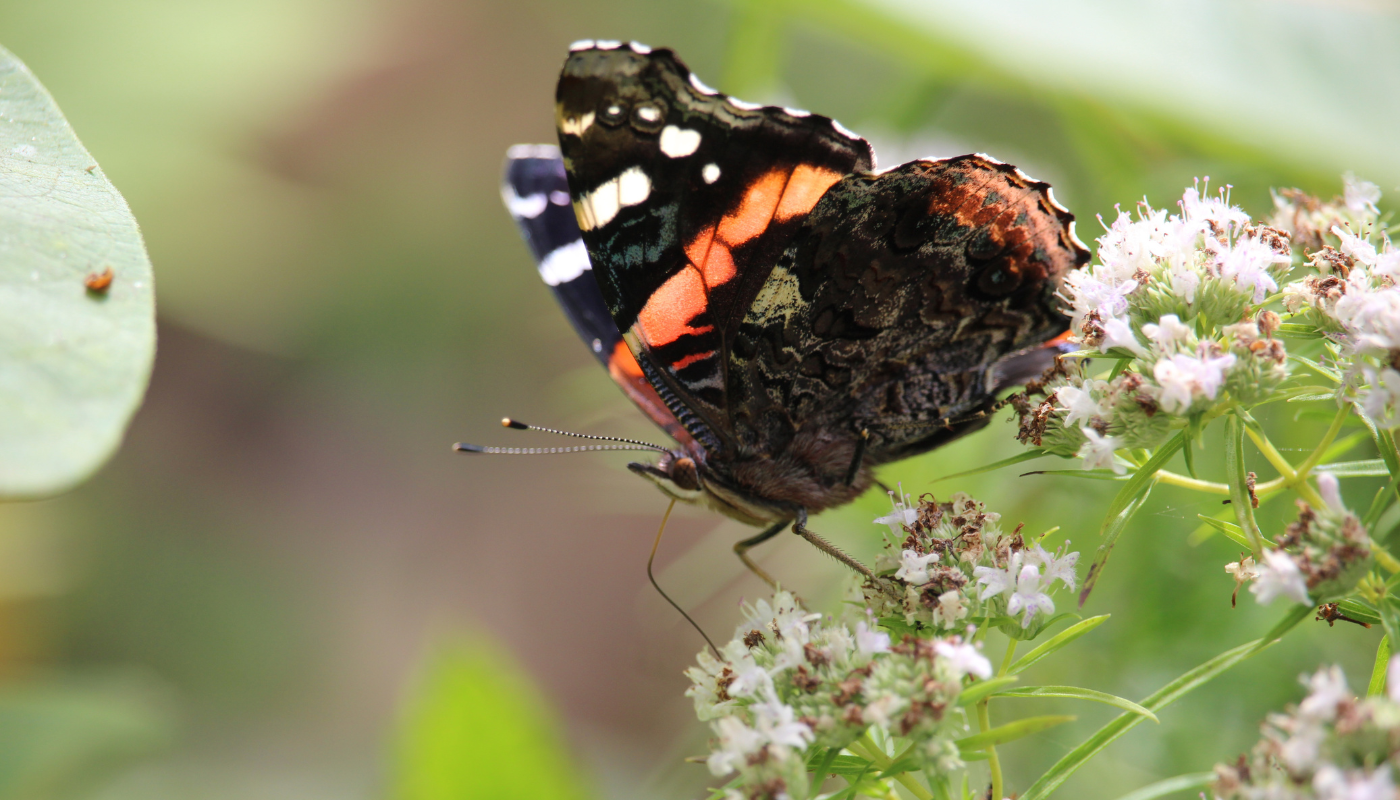
red admiral butterfly: photo credit: jodi davis
For many, the fall is a time for pumpkin picking, leaf peeping, and cozy sweaters. It is also a great time of year for caterpillar watching! Caterpillars are on the move in the fall, looking for a safe location to spend the winter months. Most of us notice beautiful butterflies and moths as they fly by in the spring and summer, but there is a lot of work that goes into transforming from a caterpillar into an adult with wings.
What is the life cycle of a caterpillar?
To start their life cycle, female butterflies and moths lay eggs on or near plants that they have carefully chosen, because caterpillars have evolved to eat very specific plants. Many caterpillars can only eat one type of plant, so if that plant is not available, the caterpillar can’t finish its life cycle.
We often hear about the Monarch butterfly, and how milkweed is one of the keys to its survival. Spicebush Butterfly caterpillars can only eat, did you guess it, Spicebush, while Zebra Swallowtail caterpillars thrive on the PawPaw plant, a native plant that produces a curious and edible fruit in the fall. Other caterpillars have a taste for foods that we like. The Black Swallowtail caterpillar feasts on plants like dill, parsley and fennel.
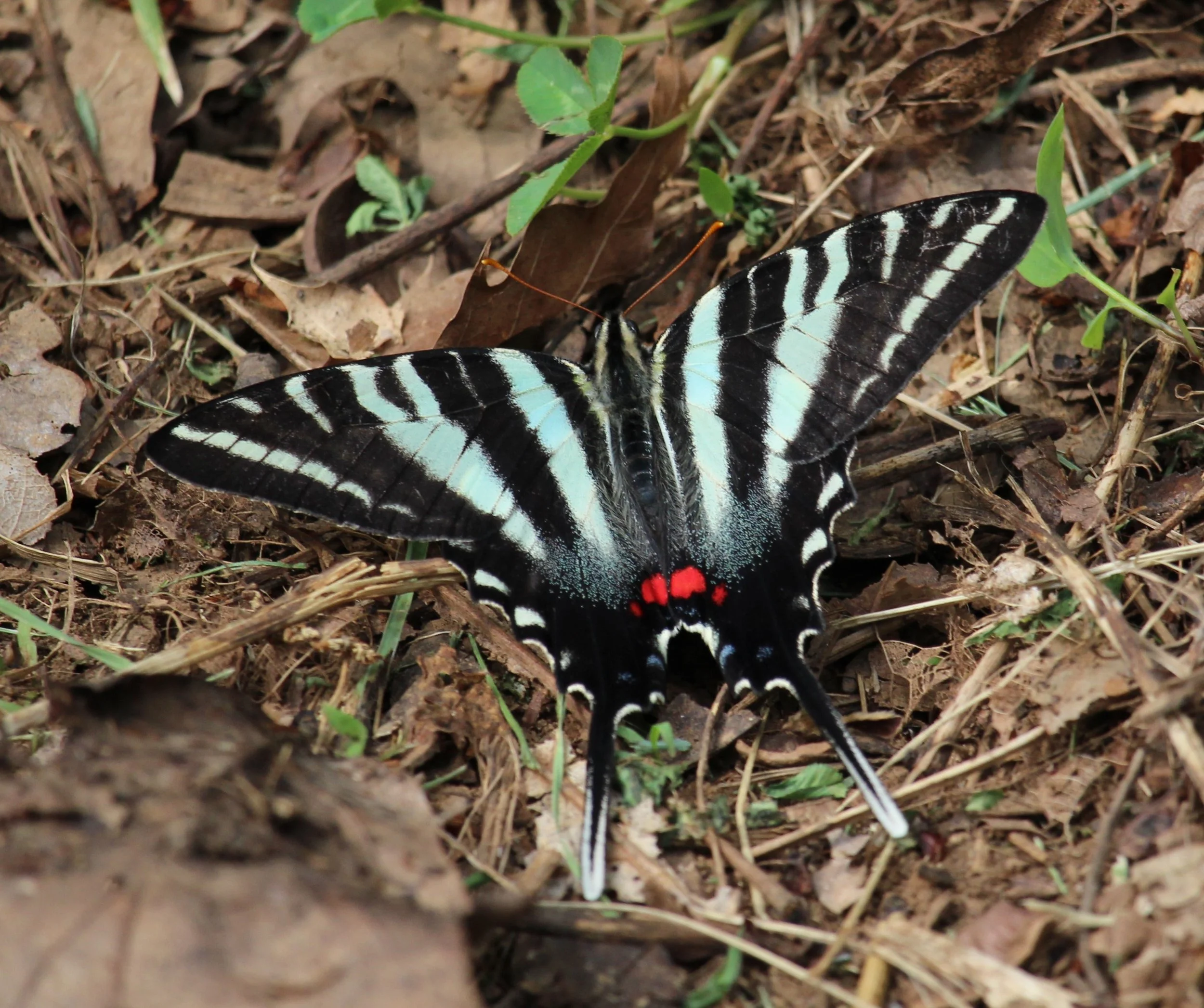
zebra swallowtail butterfly. photo credit: jodi davis
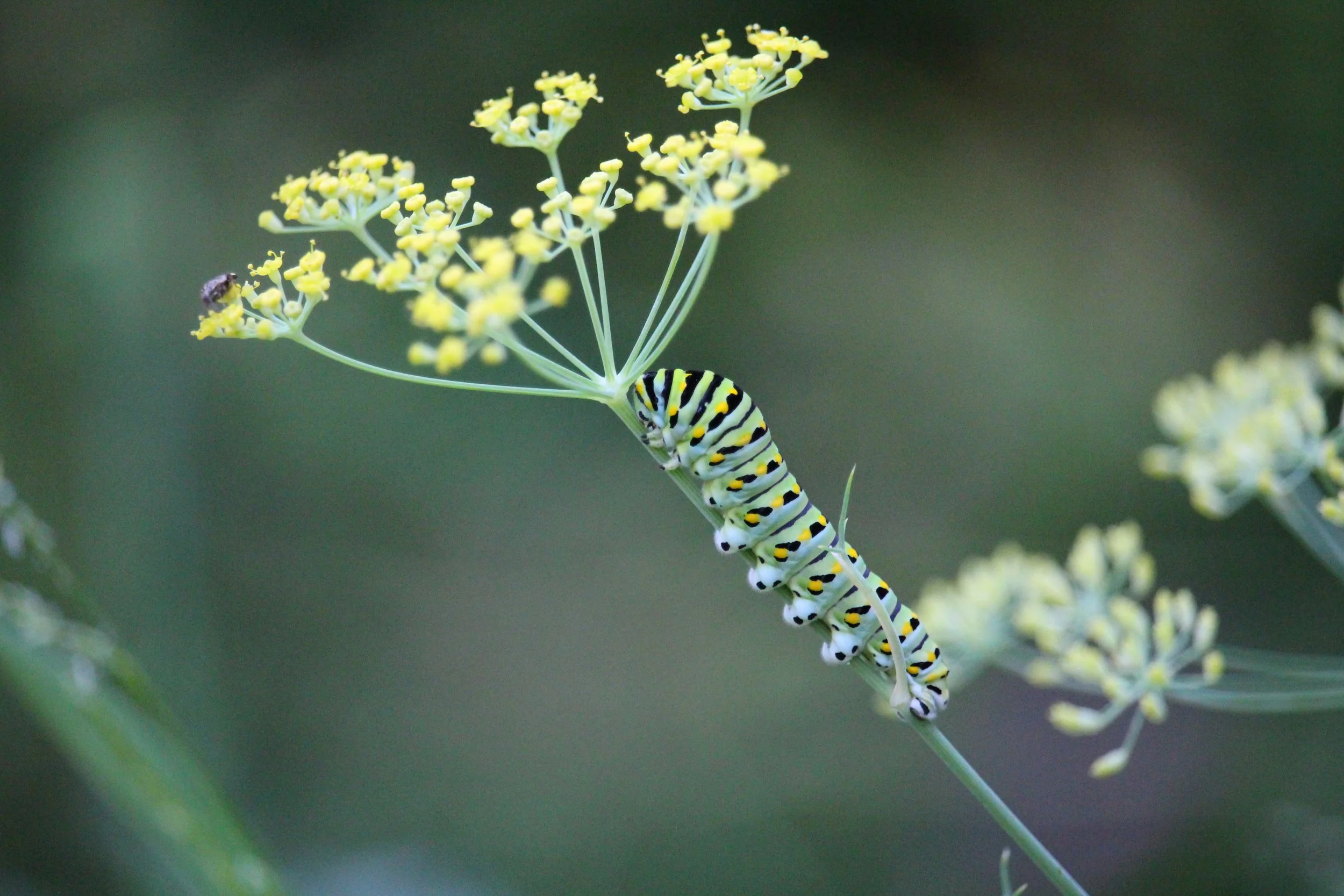
black swallowtail butterfly caterpillar on a dill plant. photo credit: jodi davis
The Mighty Oak
Some trees, such as oaks, host multiple types of caterpillars. Oak trees help support 950 different species of caterpillars nationwide. Oaks are prevalent on the east coast, but they’ve had their own challenges as of late, such as weather extremes and oak decline.
Ensuring that oaks have undisturbed places to live is an important step to protecting caterpillar populations. One of the ways to protect oaks and other trees is through conservation easements which permanently protect land from overdevelopment.
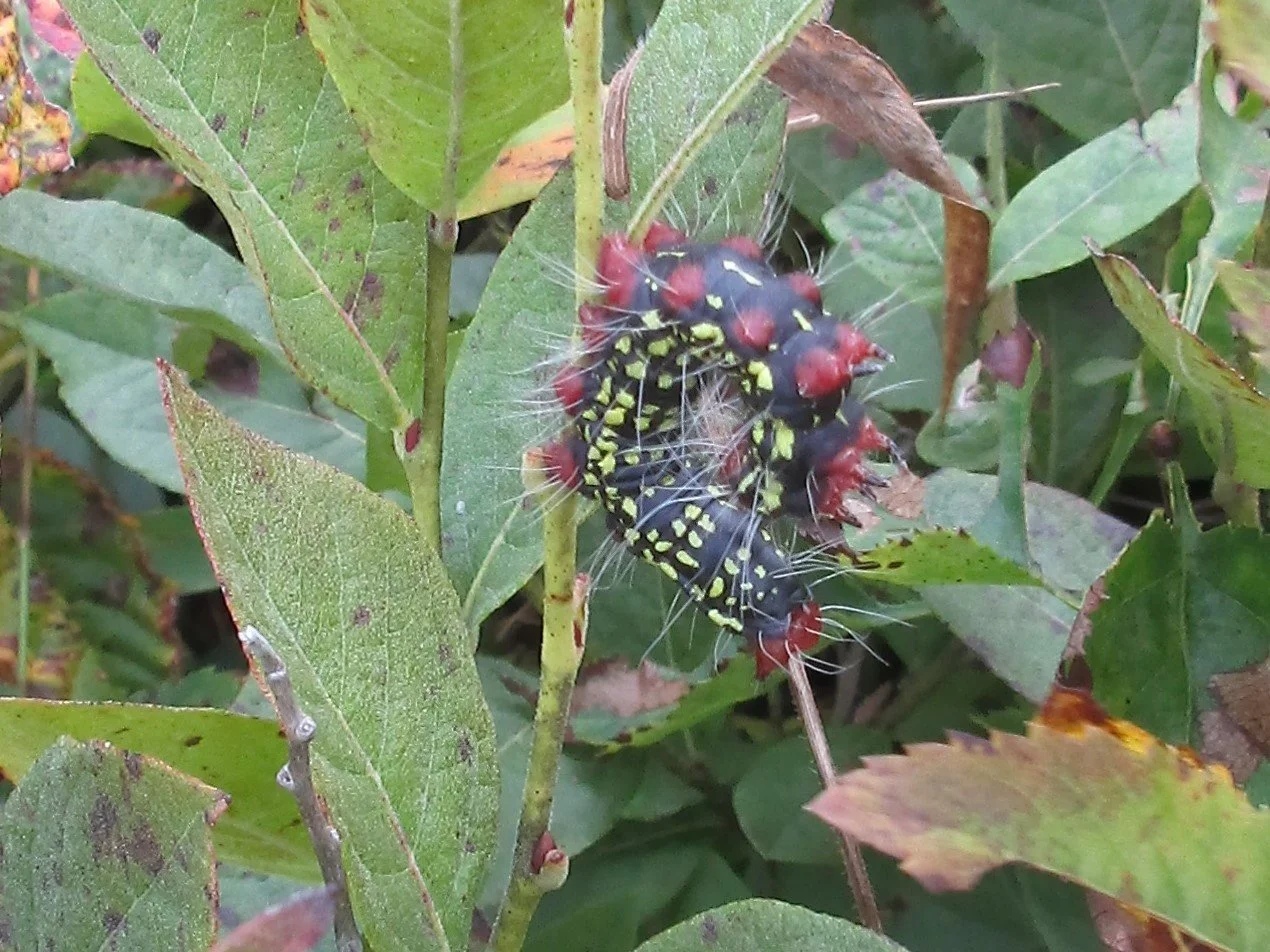
azalea moth caterpillar. photo credit: jodi davis
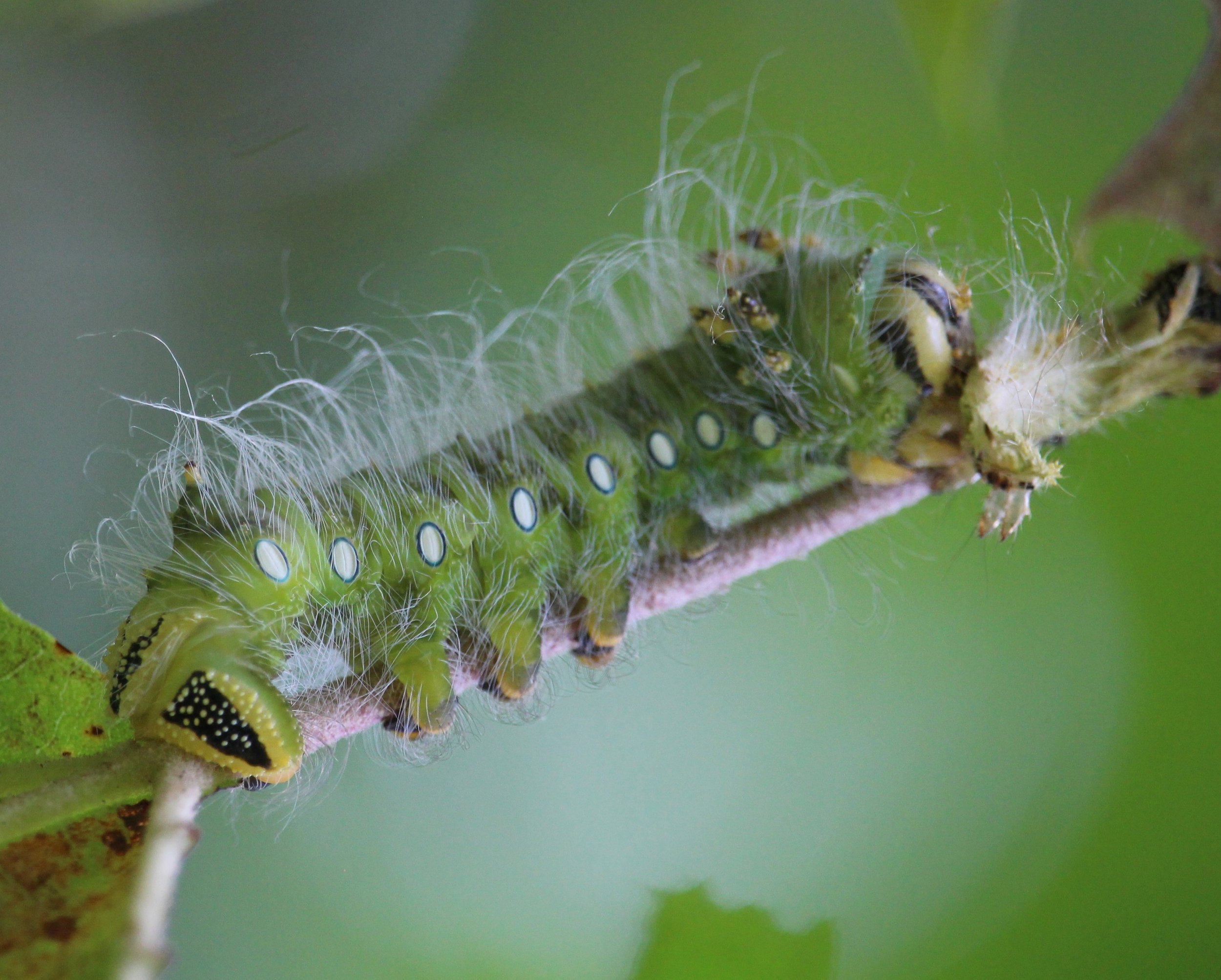
imperial moth caterpillar. photo credit: Jodi Davis
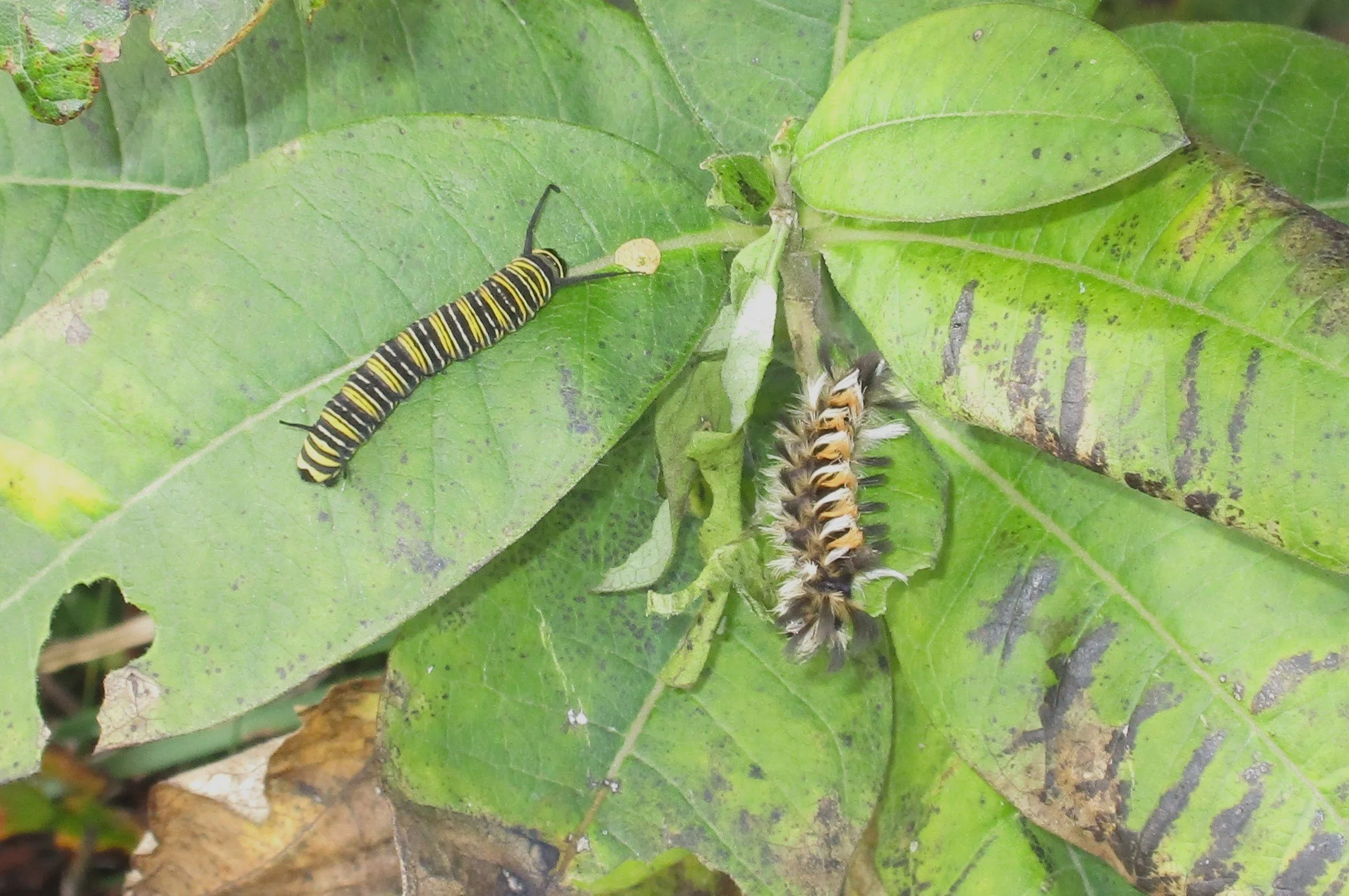
Monarch Butterfly Caterpillar and Milkweed Tussock Moth Caterpillar. photo credit: jodi davis
How caterpillars support other local wildlife
If you’re a bird lover, you may also be aware of how important caterpillars are for birds. 96% of terrestrial birds in North America feed insects, such as caterpillars, to their growing young, with the caterpillars providing an important source of protein. The timing has evolved so that migratory birds are arriving in our area when the caterpillars hatch in the spring, providing a critical food source for their hatchlings.
Identifying caterpillars
Caterpillars come in all sorts of shapes and sizes, and some can be hard to identify because they change so much during their short caterpillar lives. A caterpillar’s main job is to eat and grow. This leads to shedding their skin periodically. This can change the way they look at different times in their caterpillar lives. The White-Blotched Prominent Moth caterpillar is green for most of its caterpillar phase, but turns pink before it pupates. The Orangestriped Oakworm Moth caterpillar normally has a black head, but its head is yellow just after it molts.
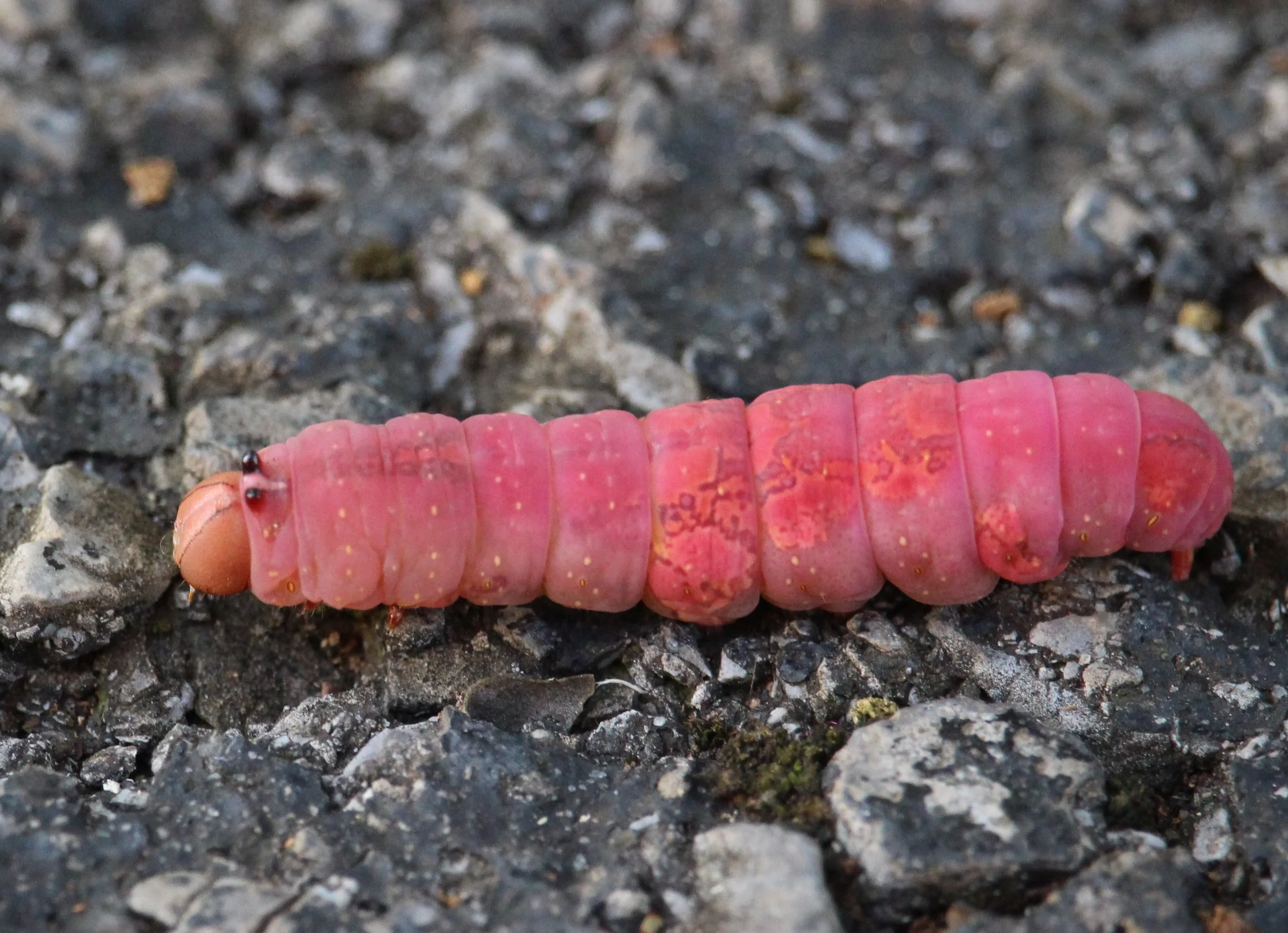
White blotched prominent moth before pupating. photo credit: jodi davis
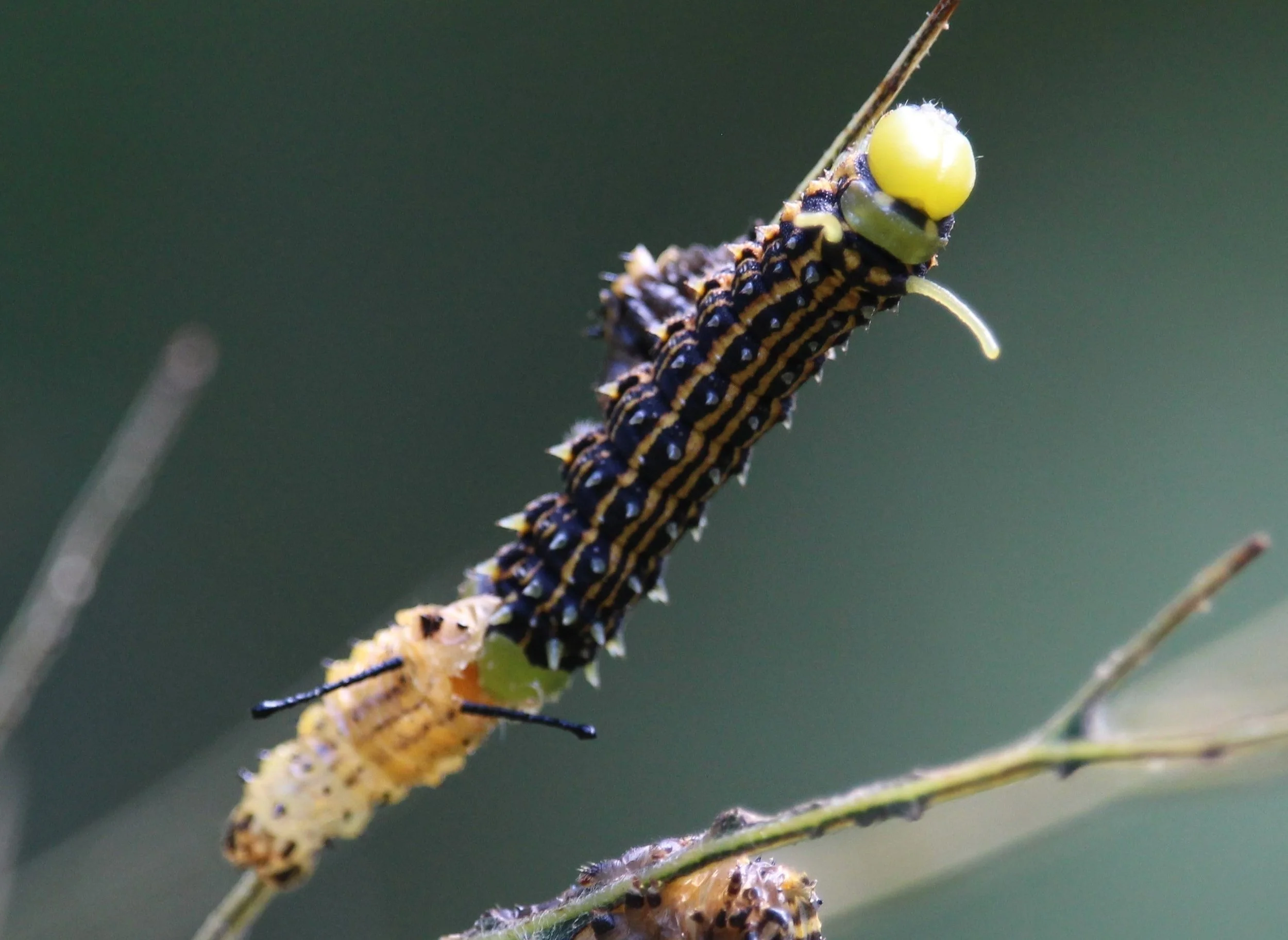
orangestriped oakwork moth after molting. photo credit: Jodi Davis
Since caterpillars are a food source for many types of animals, some have evolved to reduce predation. Caterpillars can have irritating hairs and even spines with venom that can harm wildlife and humans. That’s why it’s always a good idea to research your caterpillars before you consider picking one up.
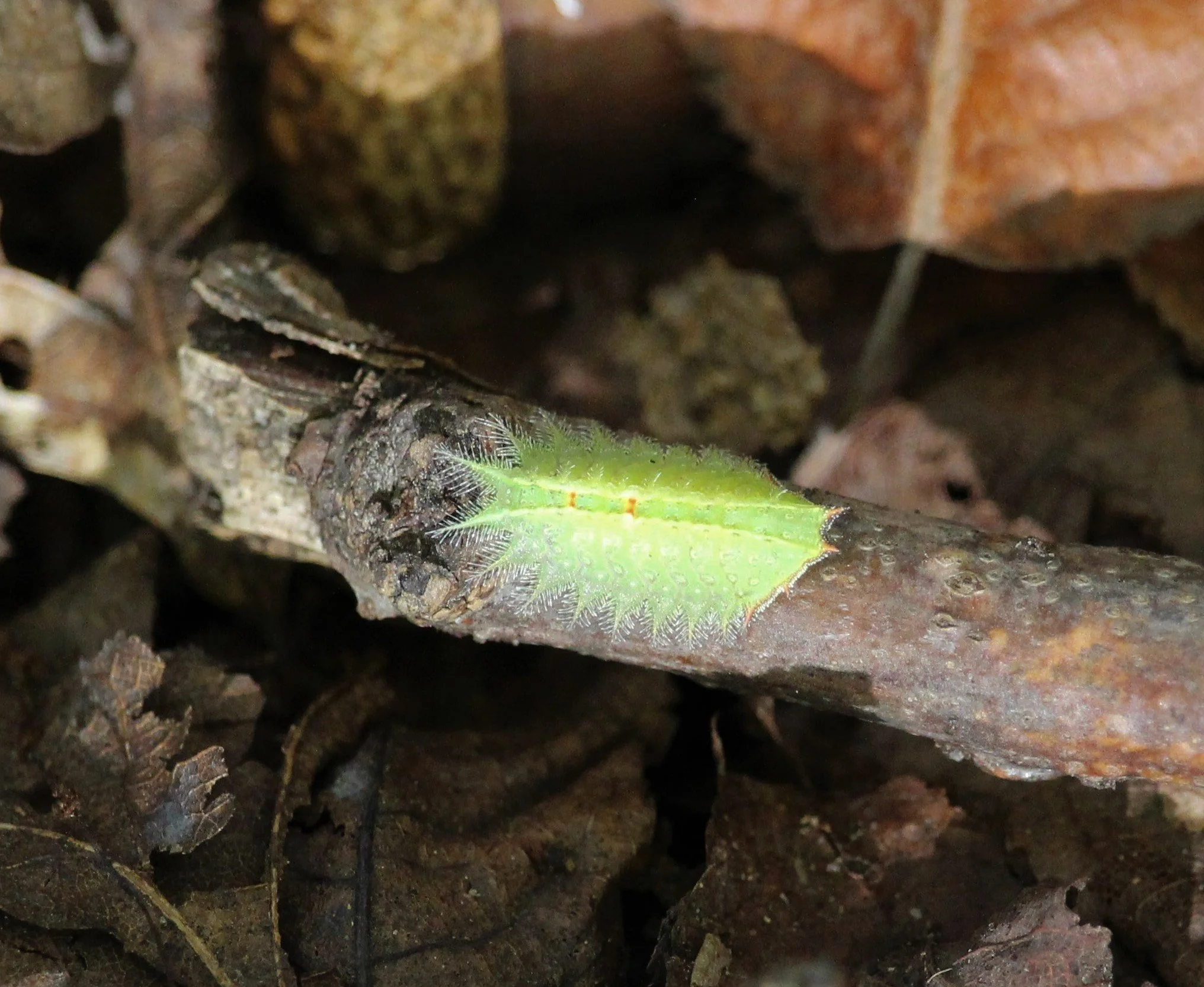
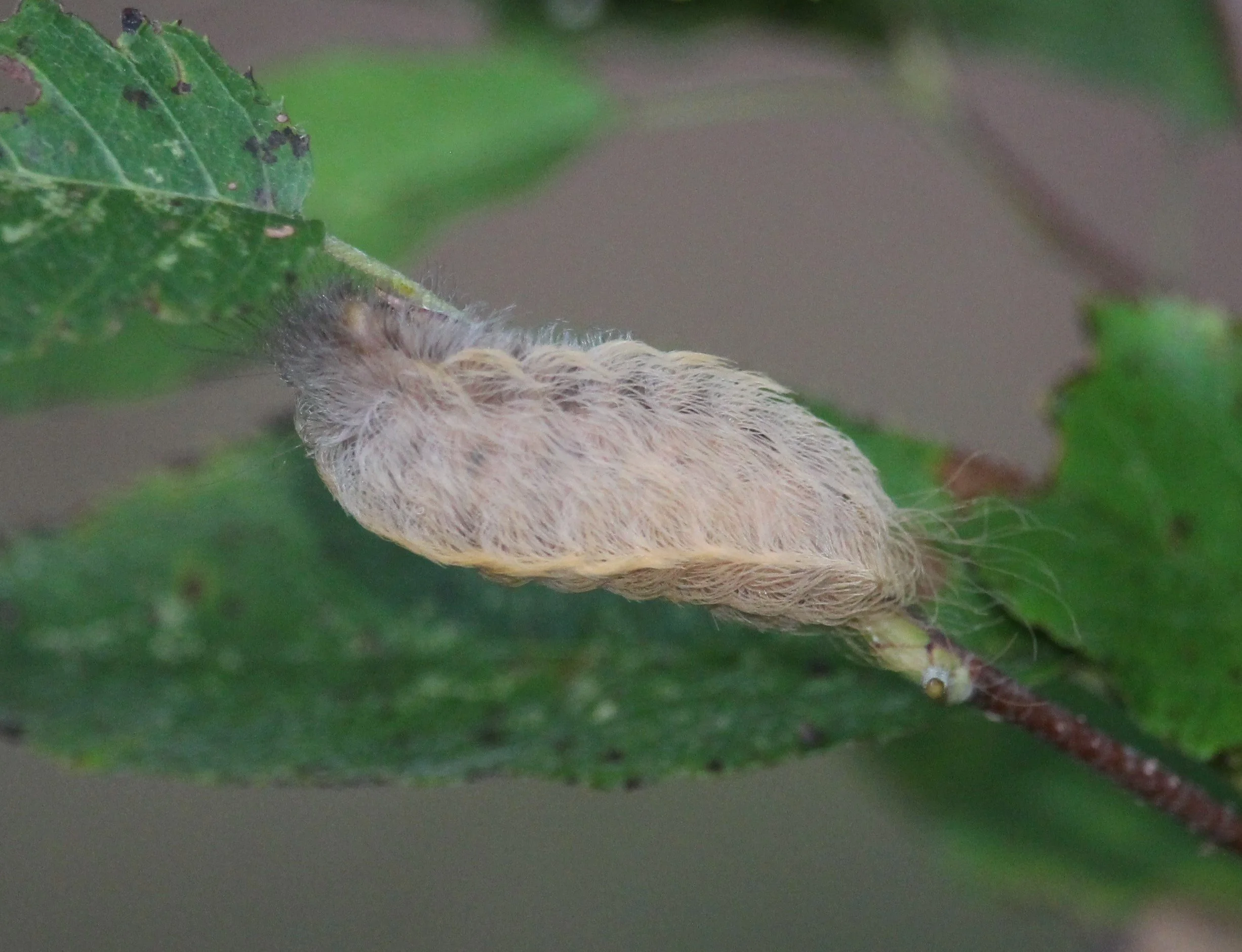
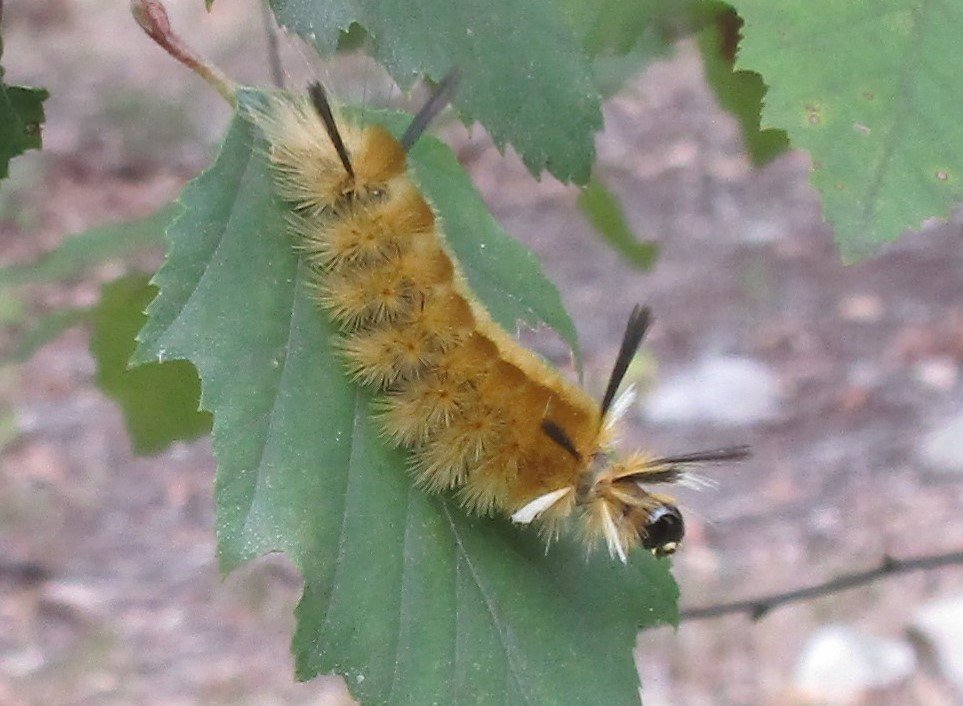
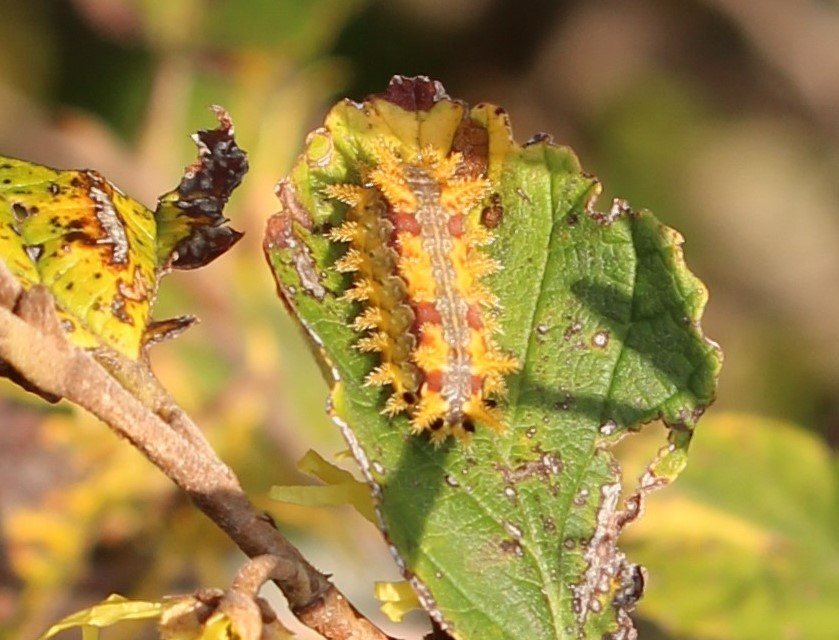
Even if you’re not a caterpillar expert (yet), you can still join in on the fun! There are many apps that you can download on your phone if you’d like to ID more caterpillars that you come across, as well as field guides.
Onto the next stage... a beautiful butterfly
Near the end of the caterpillar stage, most butterflies and moth caterpillars create a safe place to pupate and reorganize themselves into a flying insect. Butterflies will create a chrysalis, and moths a cocoon. These cases can take on many different looks. It can take from weeks to months to pupate, and some caterpillars will overwinter in the pupae stage.
The time the caterpillars spend in these enclosed spaces is spent reorganizing into their final phase, an adult moth or butterfly. They are very fragile when they emerge, and spend some time pumping fluids into their wings before flying off as adults, to create the next generation.
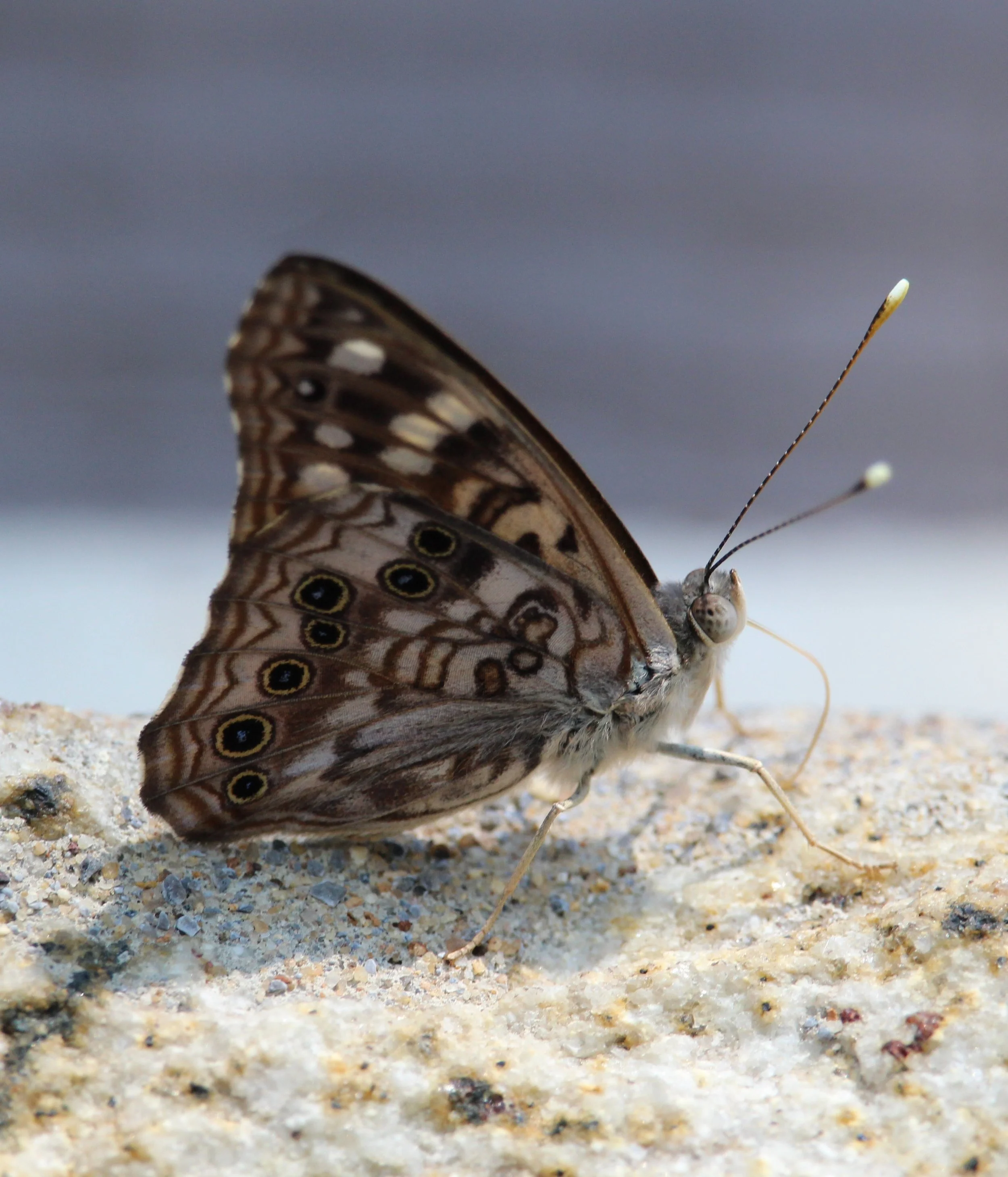
Hackberry emperor butterfly. photo credit: jodi davis
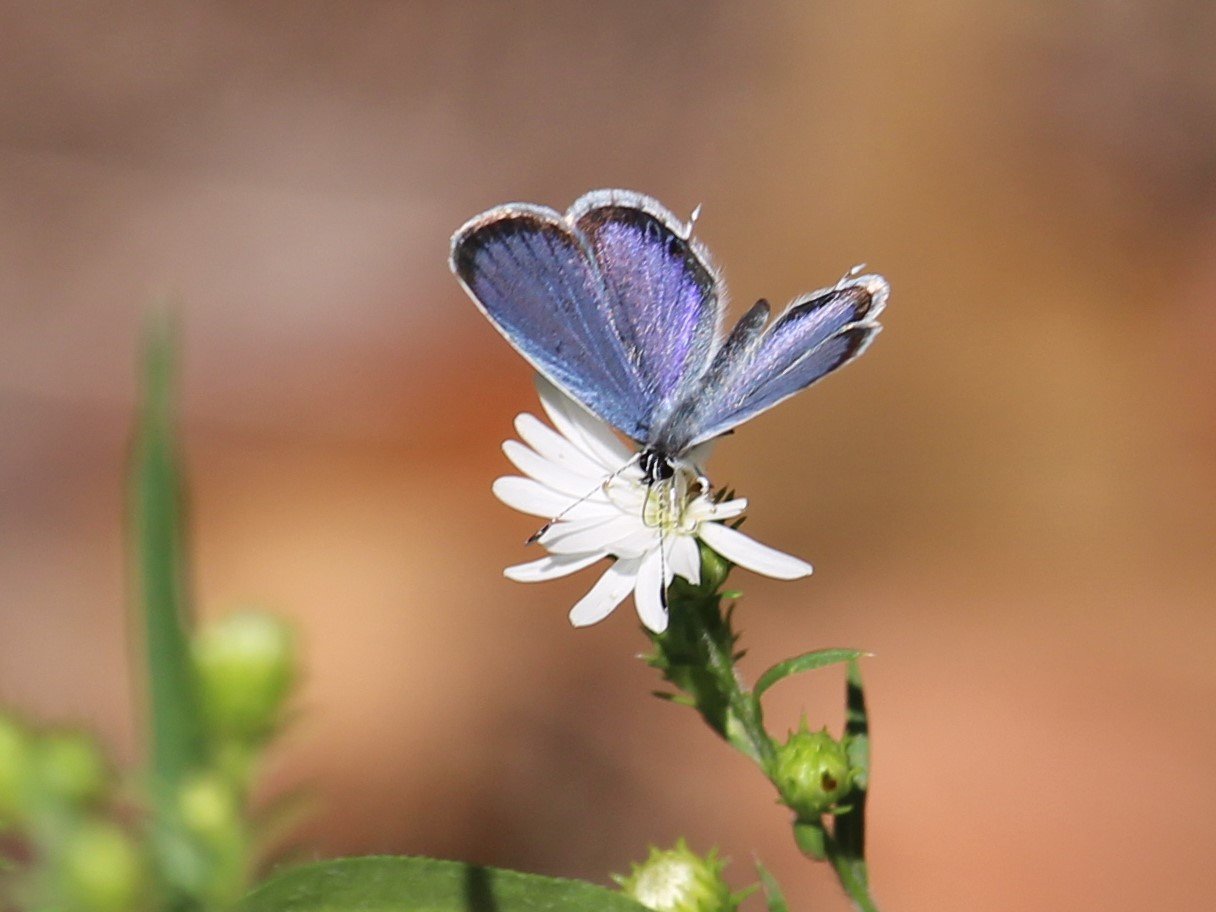
eastern tailed blue buterfly. photo credit: jodi davis
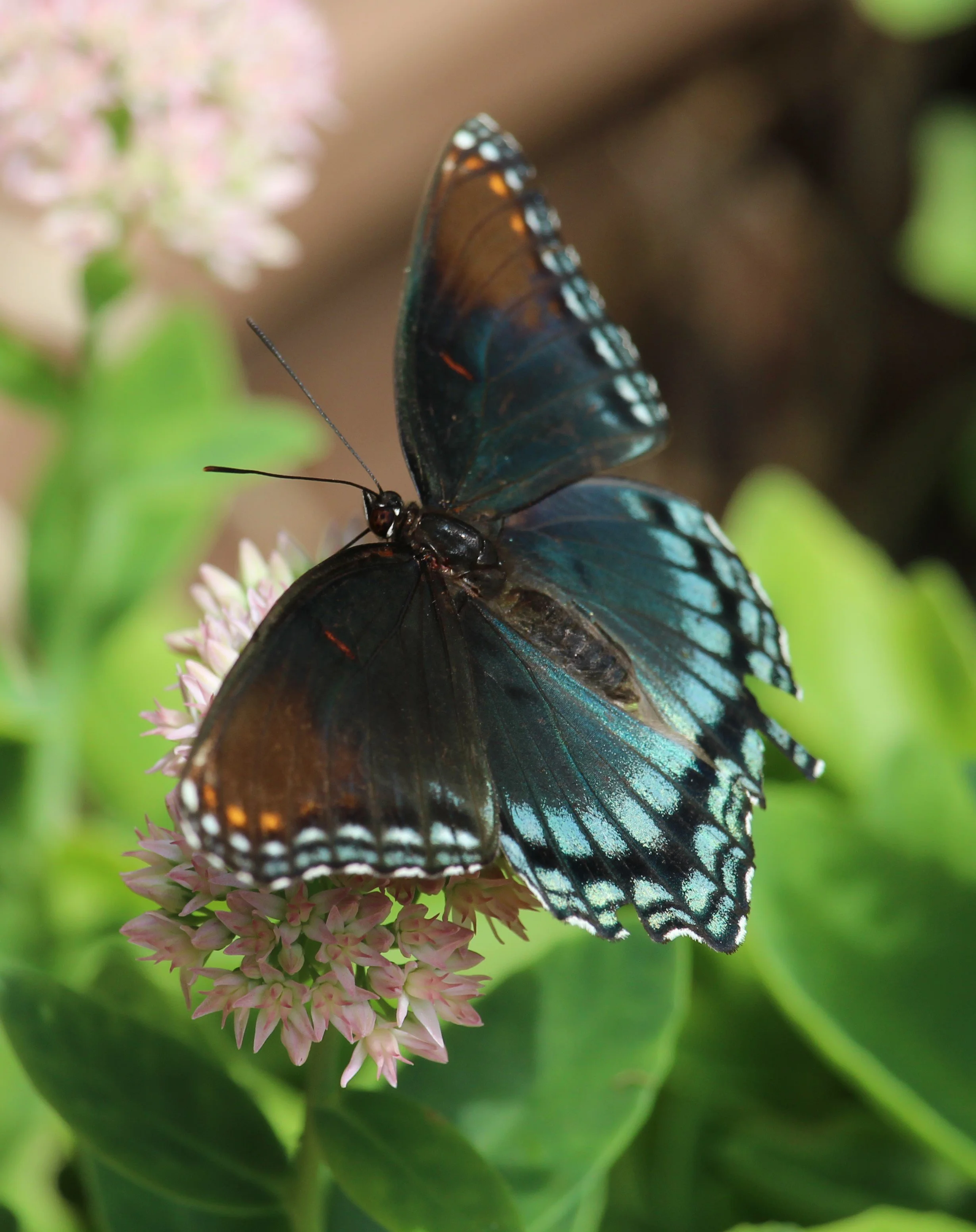
red-spotted purple butterfly. photo credit: jodi davis
E.O. Wilson refers to insects as “the little things that run the world”. And these little insects need safe places to live.
Land Trusts, like Potomac Conservancy, help protect land, set it aside from development, and provide a space for native plants to live. Healthy waters and forests provide the important ecosystems for our native plants and animals to thrive.


Curious about the numerous butterflies and moths fluttering around the Potomac River region? Find out how caterpillars spend their fall months, before emerging into butterflies and moths in the warmer months!