
Want to play catch up? Check out 3 trending river stories...
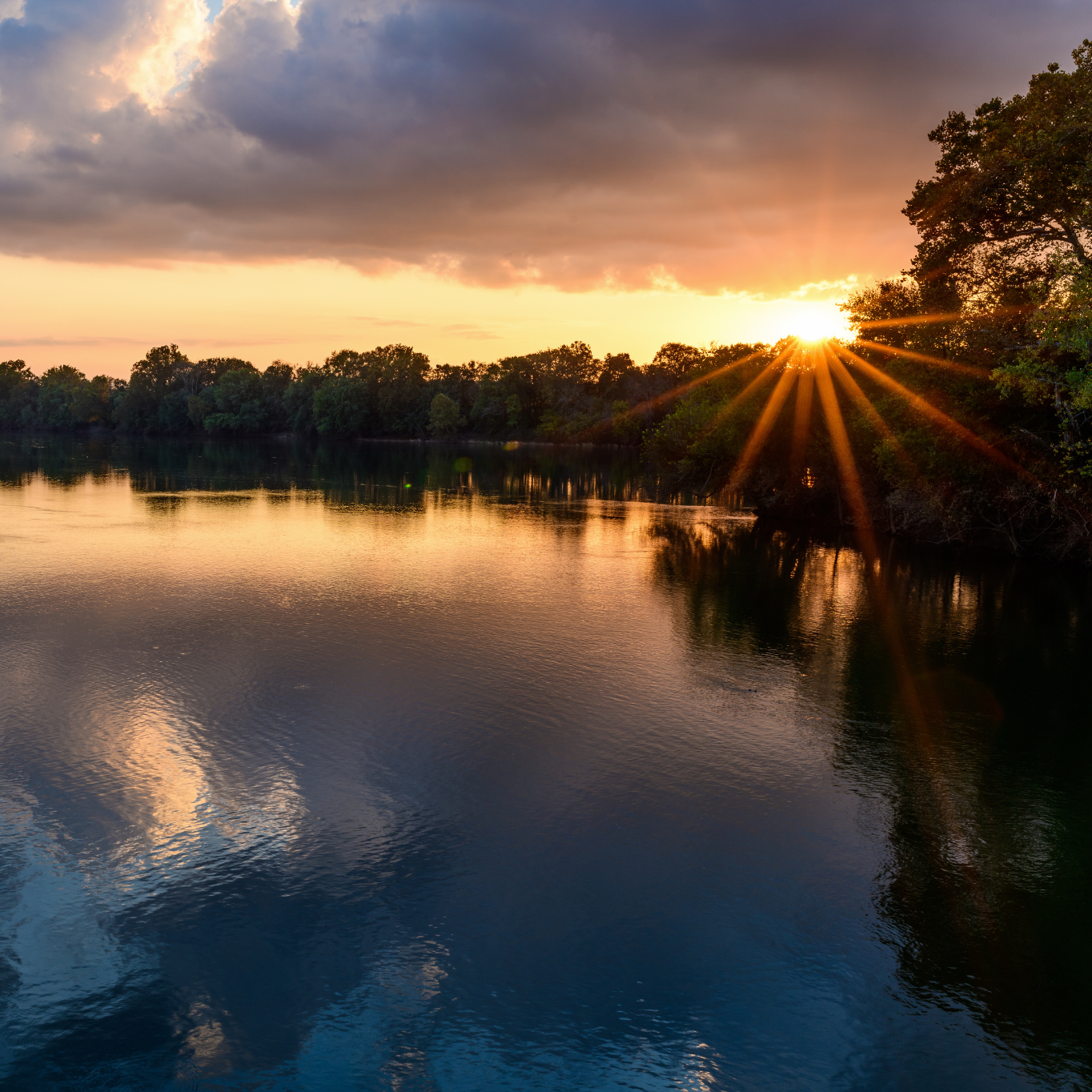
Planting new trees is only part of the solution when existing forests are disappearing faster than they can be replaced. Protecting existing forests, strengthening conservation efforts, and expanding restoration projects is needed to get the Potomac closer to an “A.”
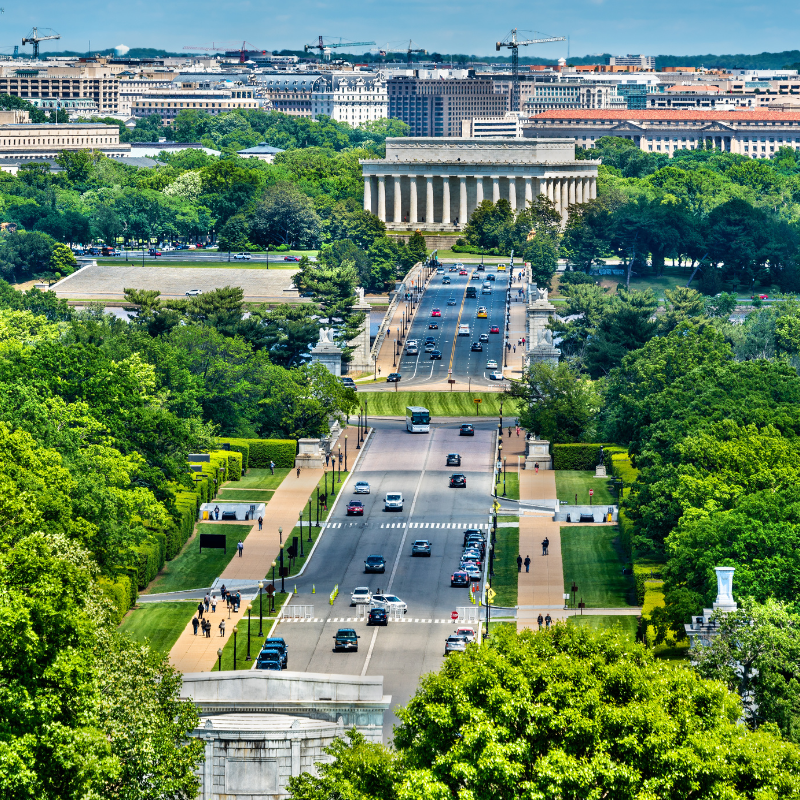
Potomac Conservancy’s response to the the proposed “Triumphal Arch” on Columbia Island in the Potomac River

Winter is coming, and so are the ticks! Learn about how losing trees can increase tick populations, and how you can get involved.
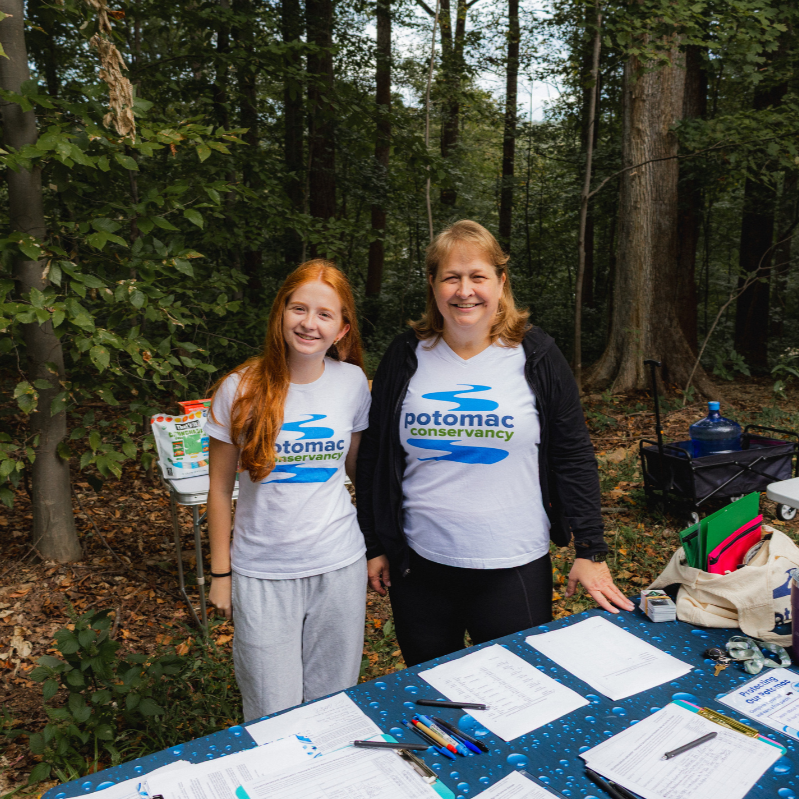
Our youngest volunteer leader is making waves for a cleaner river and educating youth at the same time! Safeguarding the Potomac River takes everyone from our community, it takes a village!
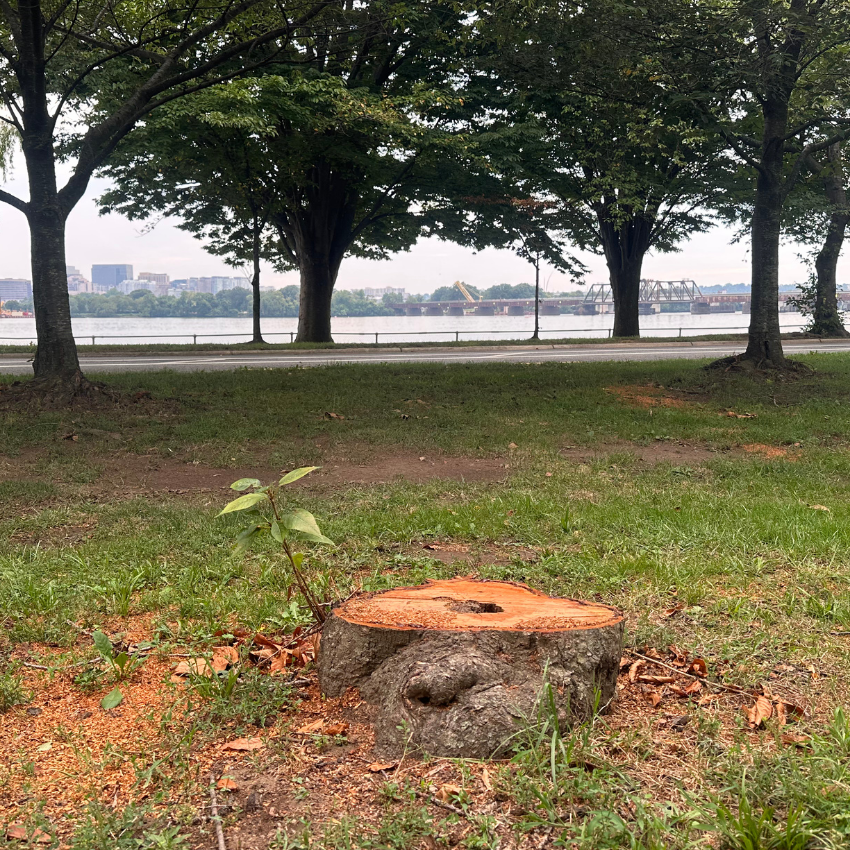
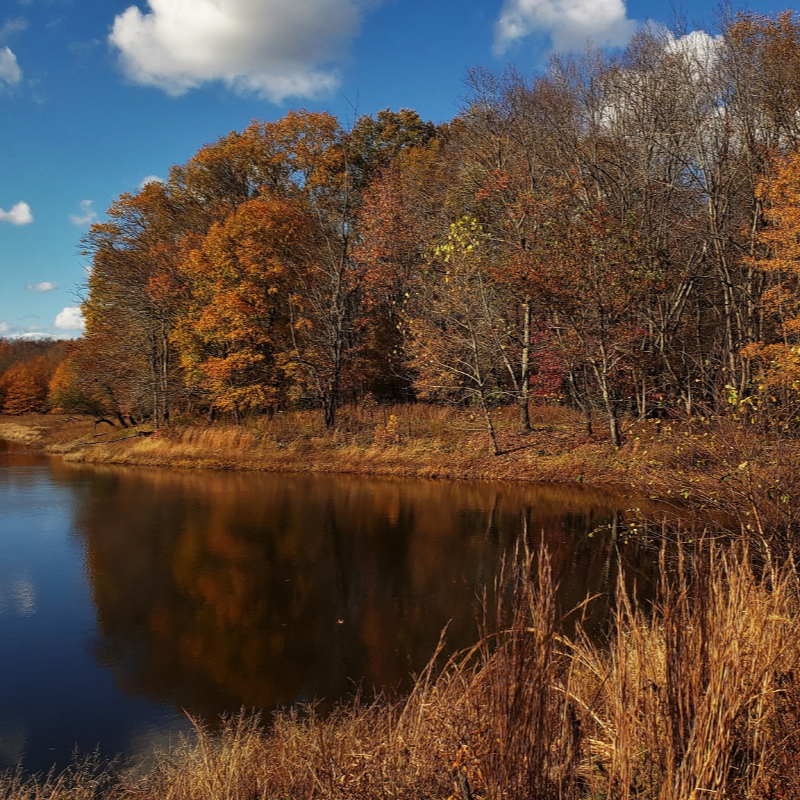
Something sinister is hiding in the forests of the Potomac River region, where invasive pests and disease are quietly killing native hemlock, beech, and ash trees. Their disappearance threatens more than the fall landscape, weakening forests that help prevent erosion, absorb polluted runoff, and protect the Potomac River. This spooky season, learn what is haunting our trees and how you can help protect the forests that keep our river clean.
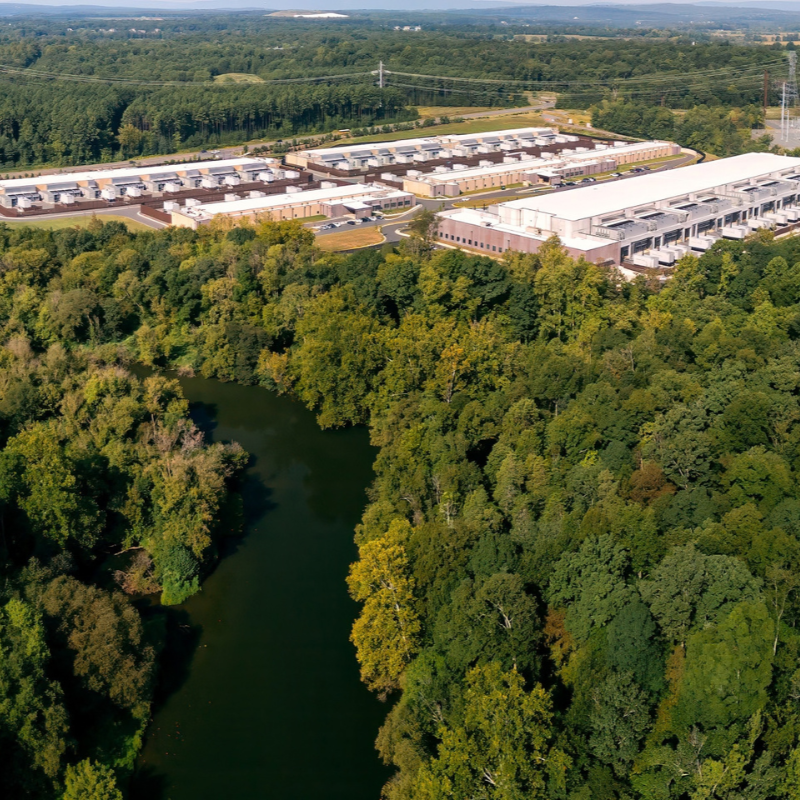
Within a few weeks of each other Governors Wes Moore and Abigail Spanberger have both signed Executive Orders addressing the rapid growth of data centers in the Potomac River region
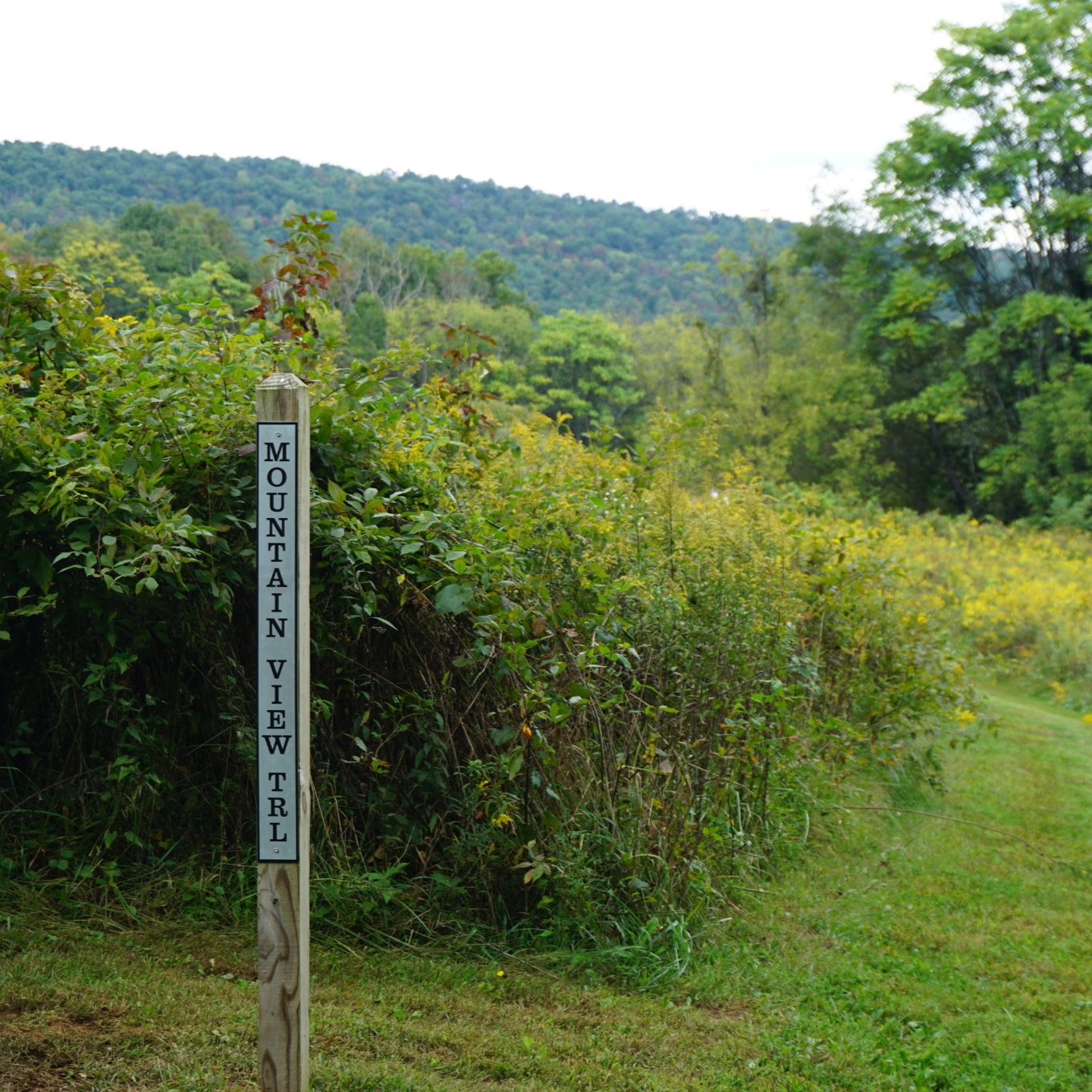
Check out Sweet Run State Park, one of Virginia’s newest State Parks located in Loudoun County, VA. Discover the outdoor opportunities Sweet Run has to offer this fall season! Sweet Runs protected by several conservation easement agreements, with nearly 570 acres held by Potomac Conservancy. Experience the natural beauty of conservation by checking out Sweet Run today!
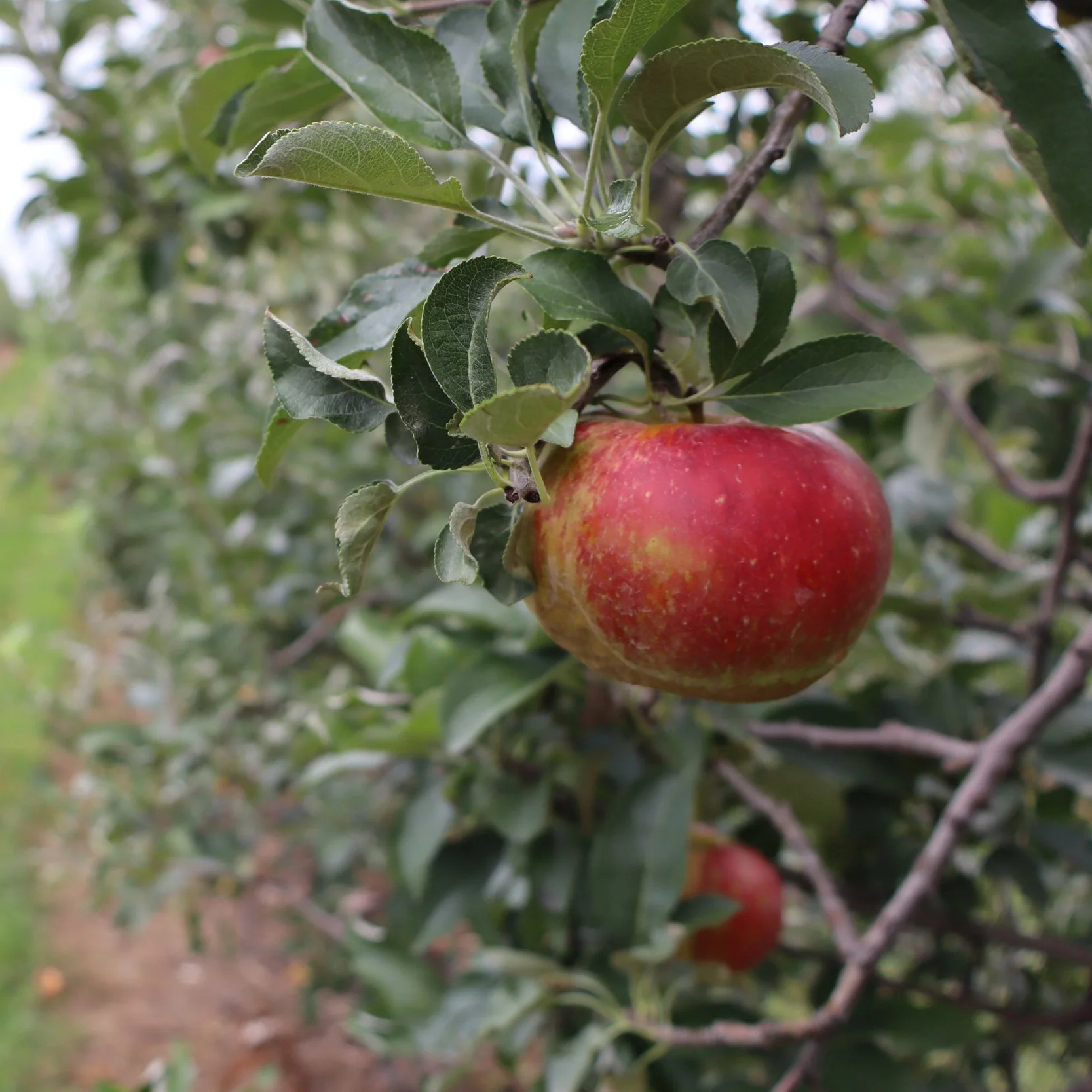
Butler’s Orchard & Farm Market is a family-owned and operated business outside of Germantown, MD. Their farm, as well as many others in the Potomac River region, experienced severe losses in crop yields this season due to extremely poor weather conditions, including a frost in April of this year.


All lands in the United States are the ancestral lands of Indigenous peoples. If we want to build an equitable and sustainable movement to protect the Potomac River, our local lands, and the climate, we must learn from Indigenous people and their legacy of environmental activism.