
Through conservation, this new park will preserve the land and the legacy of the people who shaped its story
/Honoring the Freedman’s legacy through care, community, and conservation
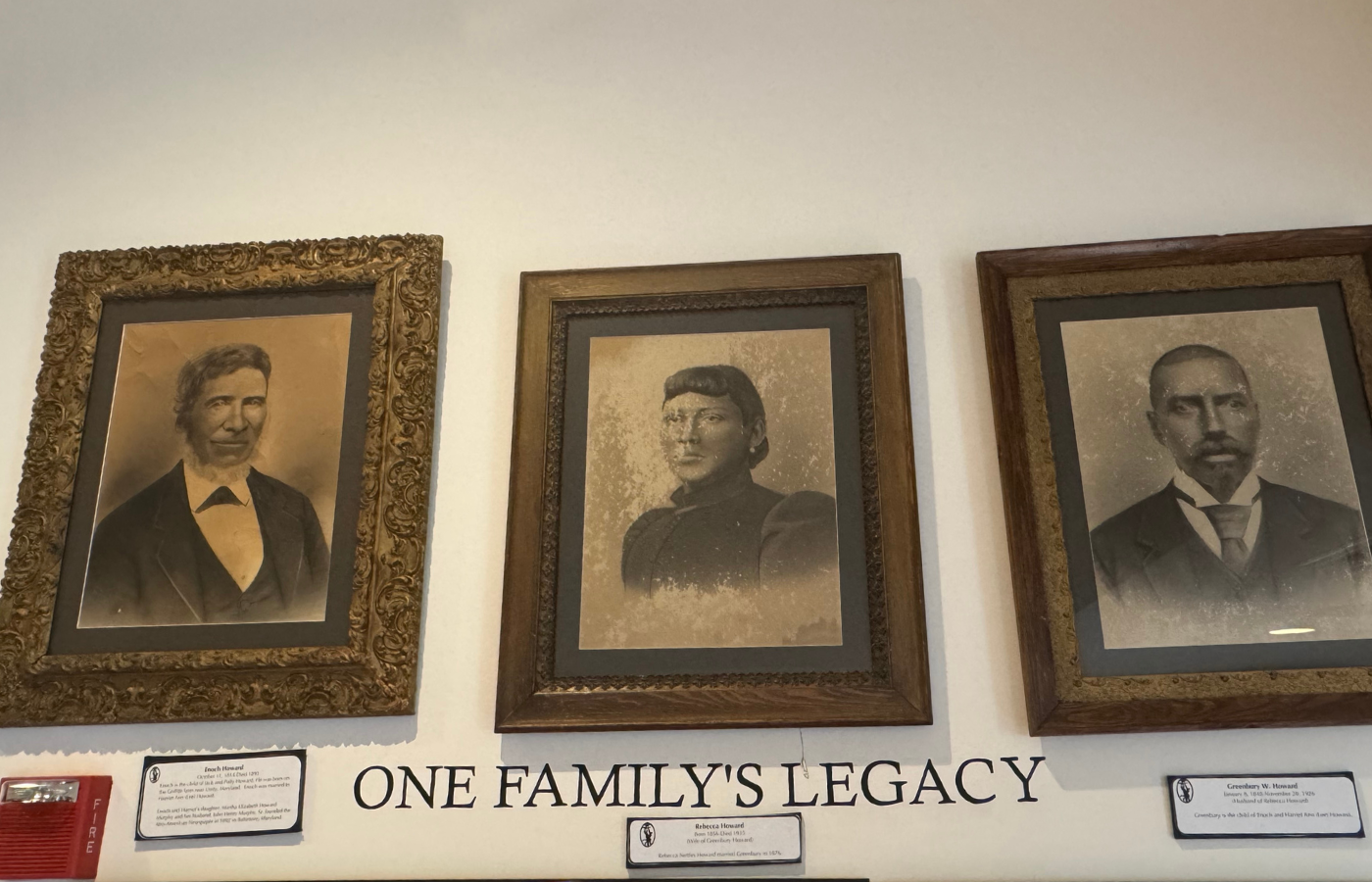
Photos of Enoch Howard, Rebcca howard, and greenbury howard at the sandy spring slave museum
In Montgomery County, MD, the land that will become Enoch George Howard Freedman’s State Historical Park stands as a testament to resilience, freedom, and renewal. The lush environment and deep history intertwine, reminding us that conservation is not just about protecting places; it’s about preserving the legacies that shaped them.
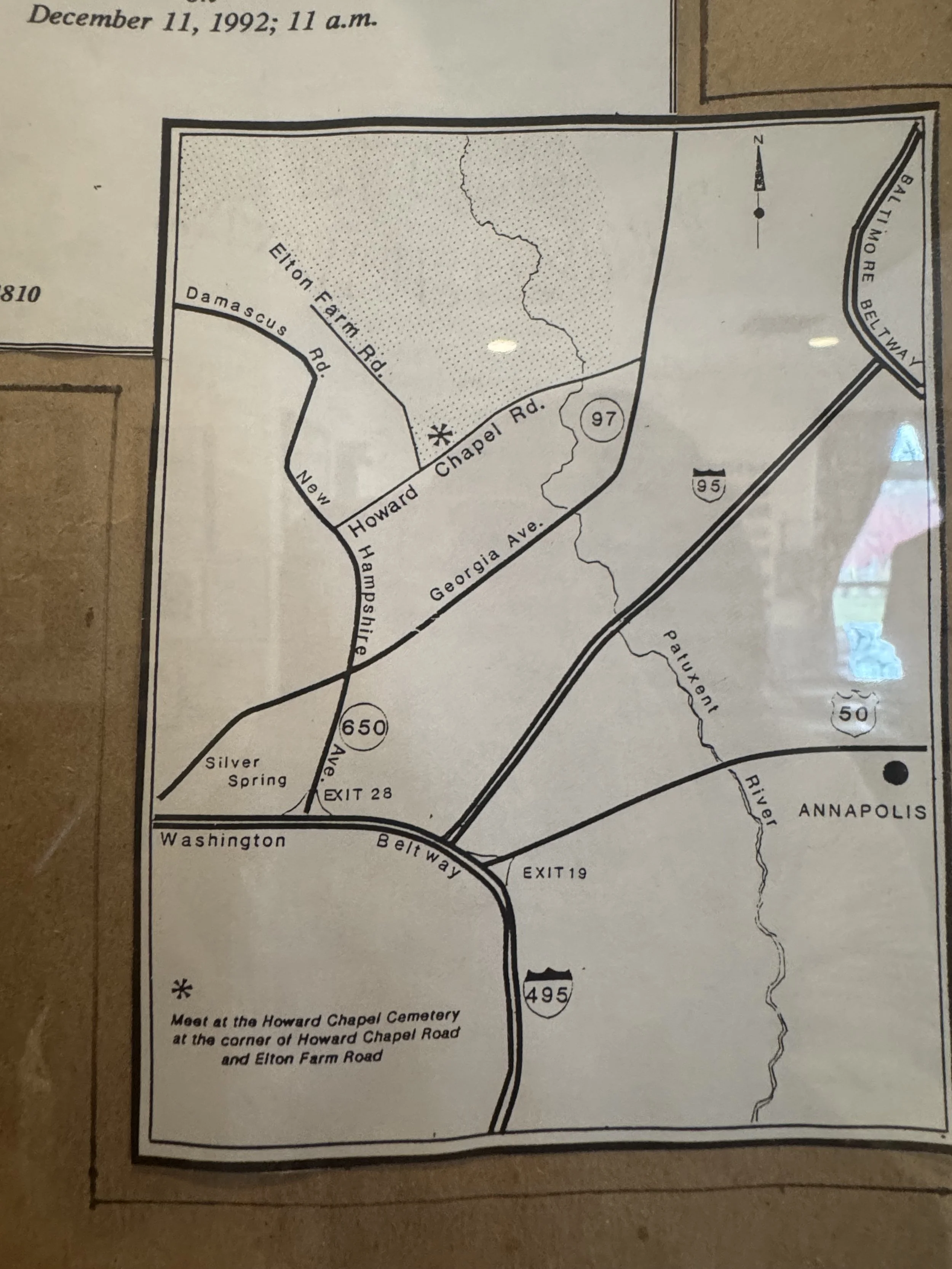
mAp of howard chapel area at the sandy spring slave museum
The Freedman’s legacy: land, freedom, and community
After emancipation, formerly enslaved Black men and women known as the Freedmen built communities, churches, and schools throughout Virginia and Maryland. One of those visionaries, Enoch George Howard, helped establish a thriving settlement grounded in hope and determination.
The park honors Howard’s legacy and that of countless families who turned hardship into a home. Their stories echo through the region’s landscapes, from reconstruction-era farms that dotted the countryside to the churches that became centers of self-determination.
Protecting this land ensures their voices endure, teaching future generations that freedom is rooted not solely in struggle, but in peace.
Restoring nature while honoring history

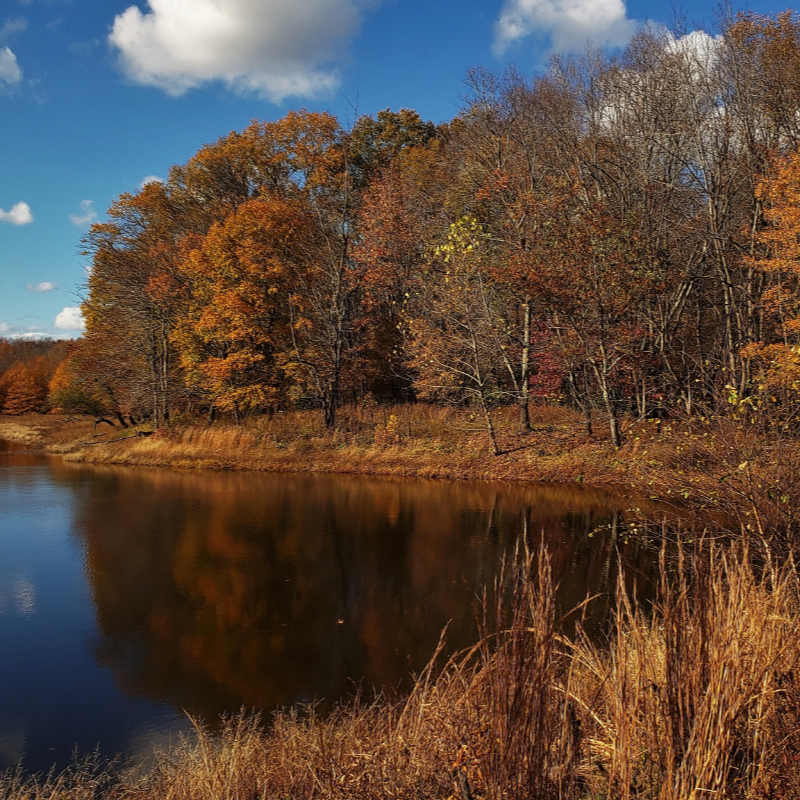
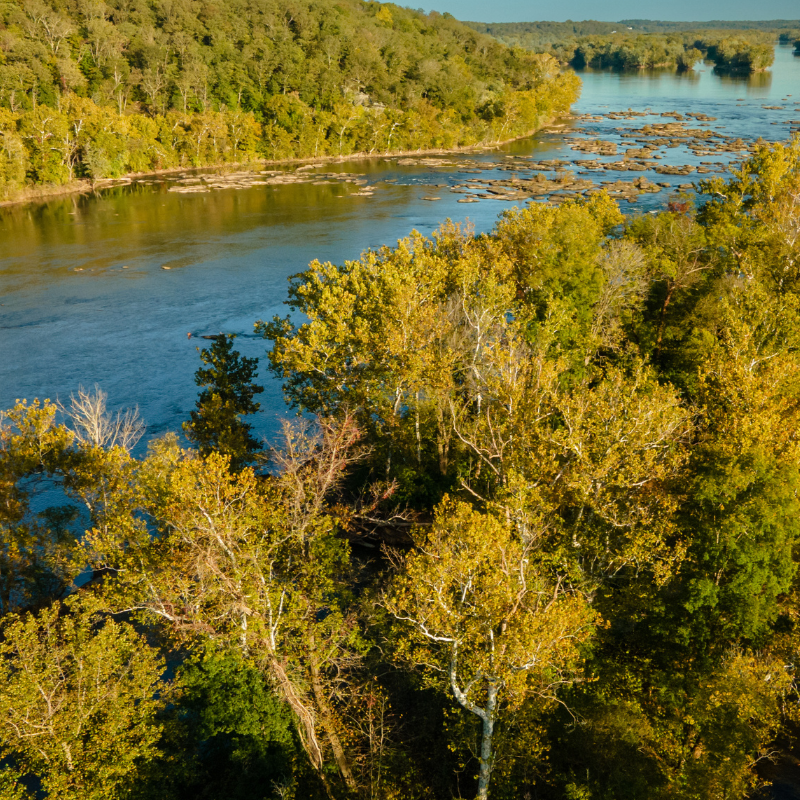
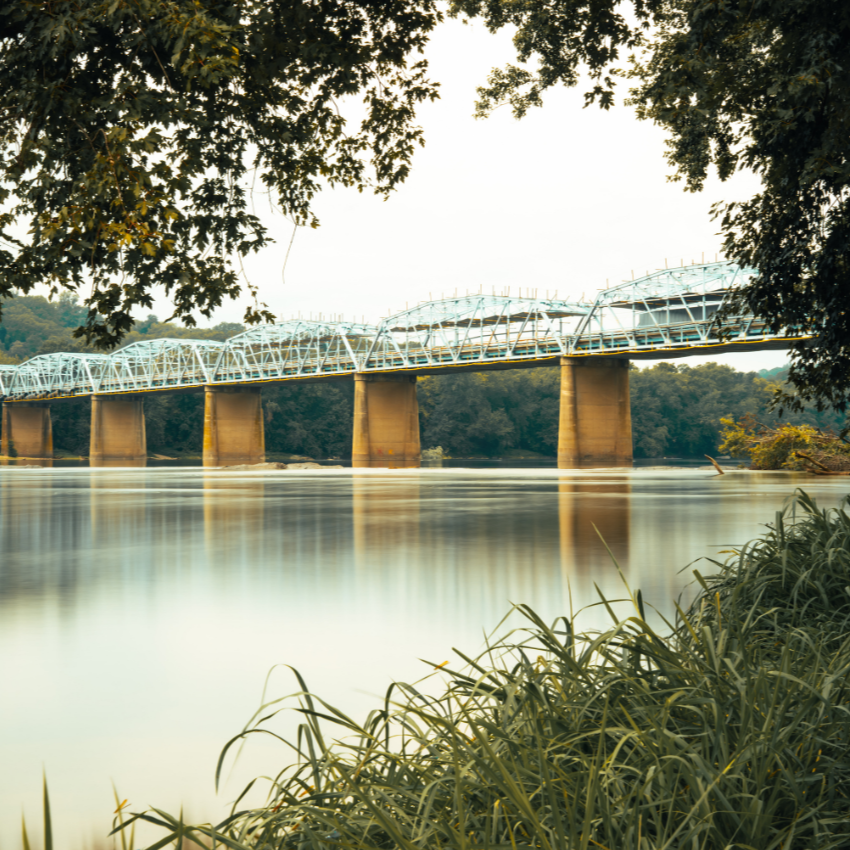
Patuxent river state park Danielle Brigidacc 2.0
Today, conservationists and historians are working hand in hand to restore the land’s ecological health while safeguarding its cultural roots. Reforestation projects, native plant restoration, and habitat protection efforts are revitalizing the area’s biodiversity.
Each sapling planted and stream restored contributes to both environmental recovery and the honoring of historical memory.
The restoration of this park represents a new chapter that recognizes that land conservation is inseparable from cultural preservation!
Community and stewardship are deeply intertwined in marginalized communities
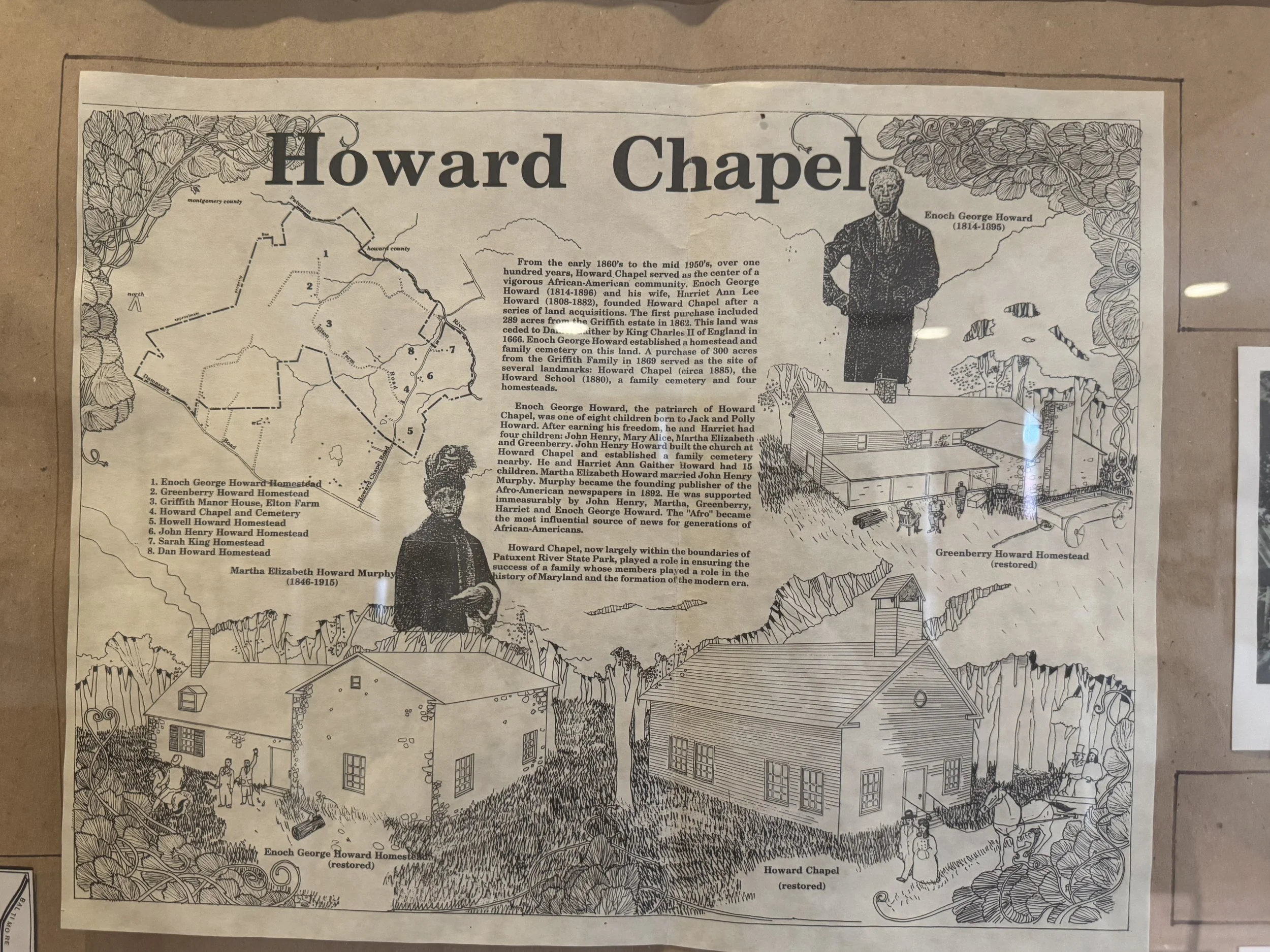
Map of howard chapel at the sandy spring slave museum
Local Black historians, descendants of Freedman, Indigenous leaders, and environmental advocates are collaborating to shape the park’s future. Their stewardship acknowledges that this land carries many layers of history, from Indigenous habitation to slavery, emancipation, and the ongoing quest for environmental justice.
Sandy Williams, a descendant of Enoch George Howard, says, “Once people know the history attached to the land, it motivates them to keep it protected and preserve our green spaces.”
This joint effort also shines light on the legacy of environmental inequity in the region, where marginalized communities often bear the brunt of pollution and displacement. The creation of Freedman’s Historical Park stands as an act of restoration of ecosystems, justice, and truth!
Where you can learn more about the Freedmen’s history
While the park is still in development, visitors can already begin exploring the Freedman’s history across the region.
Sandy Spring Slave Museum (MD) – Offers powerful exhibits on African American heritage and the journey from enslavement to freedom.
Maryland Center for History and Culture (Baltimore, MD) – Houses archives, oral histories, and collections that illuminate the stories of the region’s Freedman communities.
Engage respectfully with these spaces, learn from their stories, and support ongoing efforts to document and preserve this vital history. Volunteer opportunities and preservation programs will be available as the park continues to take shape!


Potomac Conservancy’s response to the recent East Potomac Park tree cutting